
[Paper Review] Analysis of Disinformation and Fake News Detection Using Fine-Tuned Large Language Model
The paper fine-tunes Llama 2 using PEFT/LoRA to perform multitask disinformation analysis, including fake news detection, propaganda narrative highlighting, fact checking, manipulation analytics, and named-entity sentiment extraction. It demonstrates qualitative and a notable quantitative result (F1=0.95) on Twitter data for fake news detection and narrative analysis.
The paper considers the possibility of fine-tuning Llama 2 large language model (LLM) for the disinformation analysis and fake news detection. For fine-tuning, the PEFT/LoRA based approach was used. In the study, the model was fine-tuned for the following tasks: analysing a text on revealing disinformation and propaganda narratives, fact checking, fake news detection, manipulation analytics, extracting named entities with their sentiments. The obtained results show that the fine-tuned Llama 2 model can perform a deep analysis of texts and reveal complex styles and narratives. Extracted sentiments for named entities can be considered as predictive features in supervised machine learning models.
Motivation & Objective
- Motivate the need to detect disinformation and fake news in social media and news flows.
- Assess whether a fine-tuned Llama 2 LLM can multitask in disinformation analysis tasks.
- Develop a PEFT/LoRA-based fine-tuning pipeline enabling efficient training on small datasets.
Proposed method
- Fine-tune Llama 2-7B-chat using PEFT/LoRA with 4-bit quantization and a trainer like SFTTrainer.
- Use prompt instructions to guide the LLM to analyze text for disinformation, highlight main points, summarize, and extract named entities with sentiments.
- Incorporate training data from fake news datasets and Russian propaganda narratives; split data into training and validation (25% for validation).
- Evaluate outputs on tasks including disinformation analysis, propaganda narrative highlighting, fact checking, fake news detection, manipulation analytics, and entity sentiment extraction.
Experimental results
Research questions
- RQ1Can a fine-tuned Llama 2 model perform multitask disinformation analysis with a structured, potentially JSON-formatted output?
- RQ2Do PEFT/LoRA-based fine-tuning and 4-bit quantization enable effective, resource-efficient adaptation for disinformation tasks?
- RQ3Are extracted entity sentiments useful as predictive features in downstream models for media or market analysis?
- RQ4How well does the model identify and analyze propaganda narratives and manipulation in text?
- RQ5What are the limitations and accuracy concerns of the fine-tuned model for disinformation analytics?
Key findings
- A fine-tuned Llama 2 model can perform multitask text analysis with structured outputs.
- The approach enables extraction of named entities with sentiments suitable for downstream models.
- PAEFT/LoRA with 4-bit quantization enables cost-effective fine-tuning on small datasets.
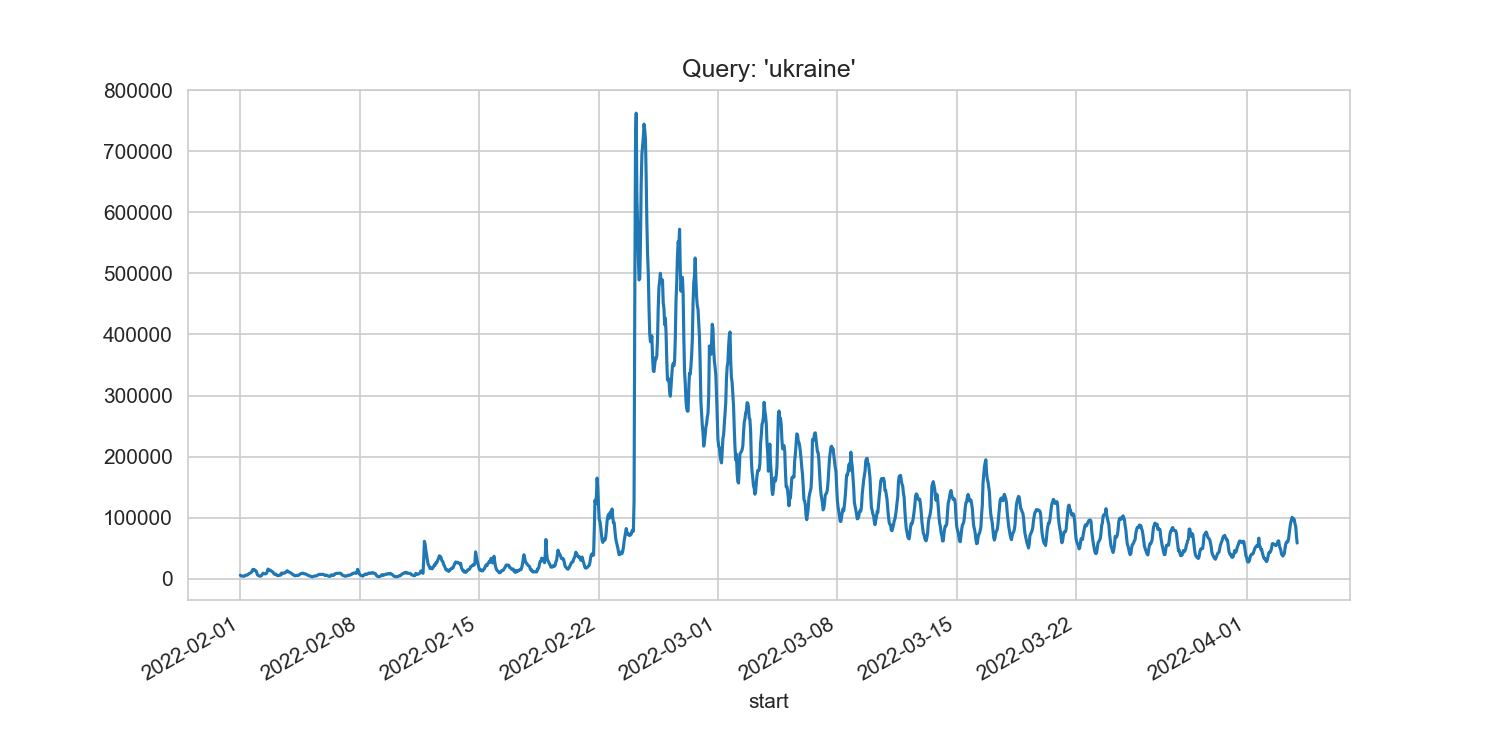
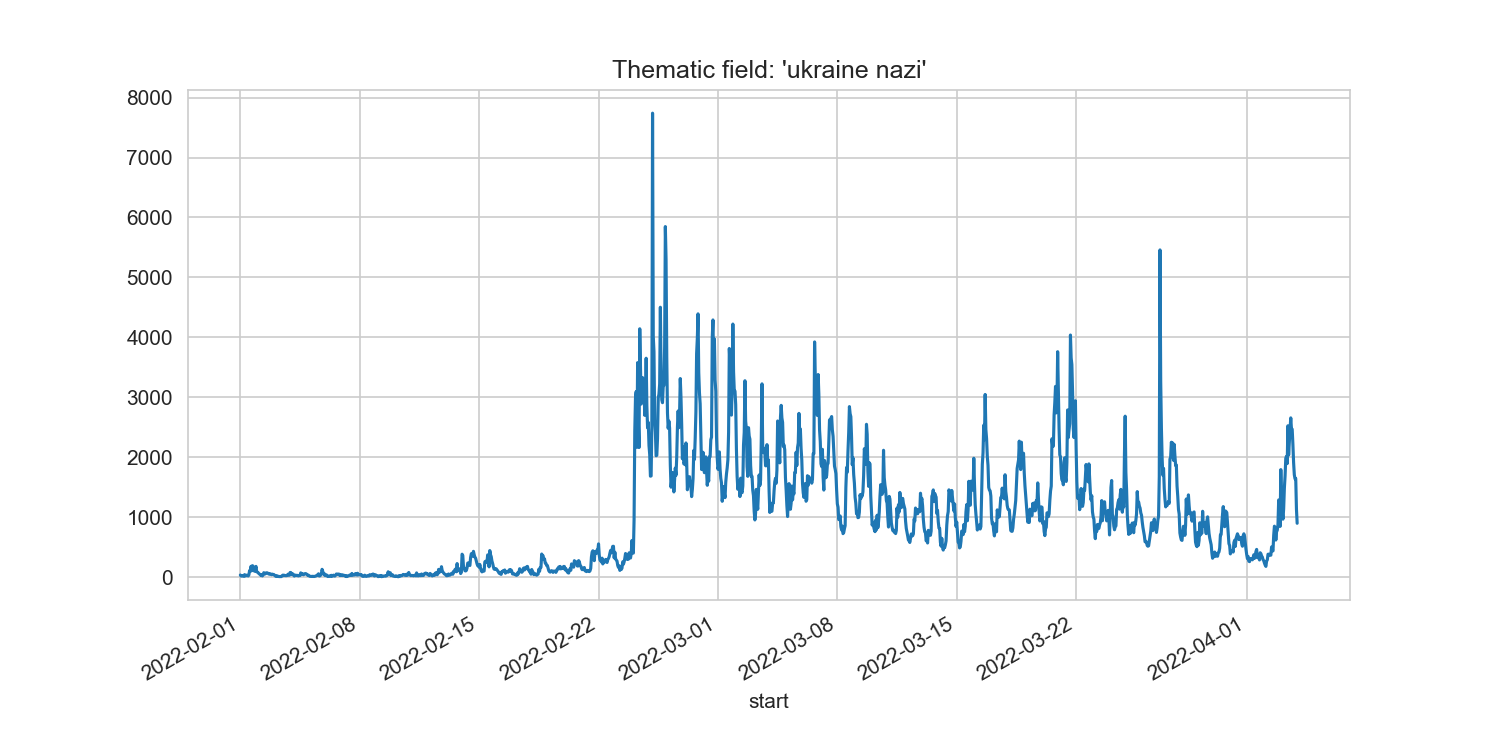
- The model demonstrated narrative analysis and fact-checking capabilities on excerpts regarding Ukraine and related topics.
- A qualitative assessment indicates some inaccuracies in outputs, suggesting improvements via better datasets and RLHF.
Better researchstarts right now
From reading papers to final review, dramatically reduce your research time.
No credit card · Free plan available
This review was created by AI and reviewed by human editors.