
[Paper Review] On Perception of Prevalence of Cheating and Usage of Generative AI
The paper surveys Uppsala University IT teaching staff to understand perceived cheating prevalence, trends, and Generative AI usage, and compares perceptions with 2004–2023 institutional cheating data.
This report investigates the perceptions of teaching staff on the prevalence of student cheating and the impact of Generative AI on academic integrity. Data was collected via an anonymous survey of teachers at the Department of Information Technology at Uppsala University and analyzed alongside institutional statistics on cheating investigations from 2004 to 2023. The results indicate that while teachers generally do not view cheating as highly prevalent, there is a strong belief that its incidence is increasing, potentially due to the accessibility of Generative AI. Most teachers do not equate AI usage with cheating but acknowledge its widespread use among students. Furthermore, teachers' perceptions align with objective data on cheating trends, highlighting their awareness of the evolving landscape of academic dishonesty.
Motivation & Objective
- Assess teaching staff perceptions of how common student cheating is today.
- Evaluate whether teachers think cheating prevalence is increasing over their careers.
- Investigate teachers' views on Generative AI as a potential factor in cheating.
- Compare subjective perceptions with objective university cheating investigation statistics (2004–2023).
- Explore differences in perceptions by teaching experience.
- Highlight implications for academic integrity policies in the AI era.
Proposed method
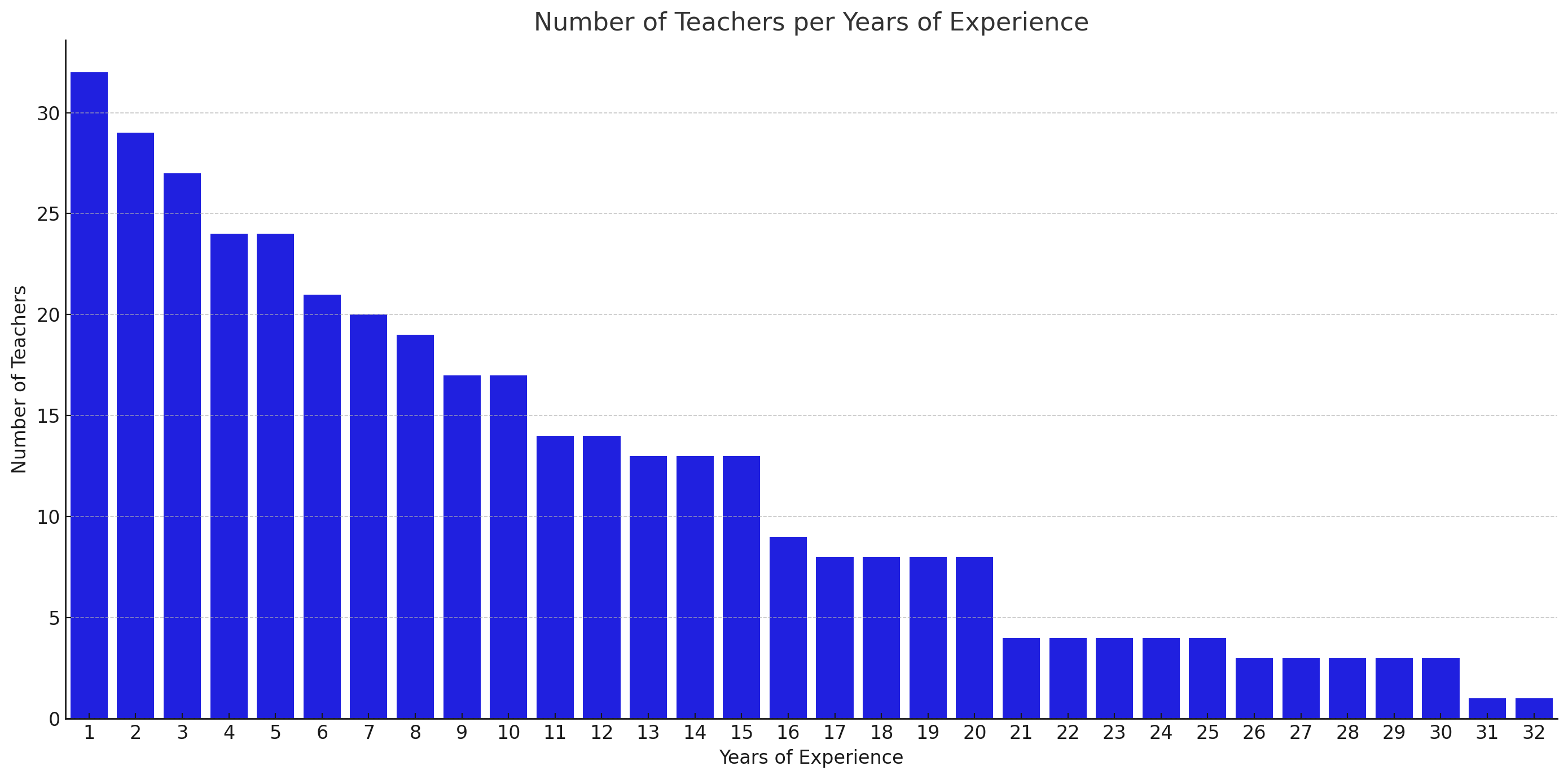
- Anonymous survey of 32 IT department teachers at Uppsala University.
- Survey questions cover teaching experience, perceived cheating prevalence, trends, and Generative AI usage (Likert scales).
- Correlation of survey results with institutional cheating investigation statistics from 2004–2023.
- Experience-based analysis splitting teachers into <5 years vs >5 years of teaching.
- Descriptive statistics and trend analysis to align perceptions with objective data.
Experimental results
Research questions
- RQ1What is the perceived prevalence of student cheating among teaching staff?
- RQ2Do teachers perceive a rising trend in cheating over their teaching careers?
- RQ3How do teachers view the use of Generative AI in relation to cheating?
- RQ4Is there alignment between subjective perceptions and objective cheating investigation data?
- RQ5Do perceptions differ by teaching experience?
Key findings
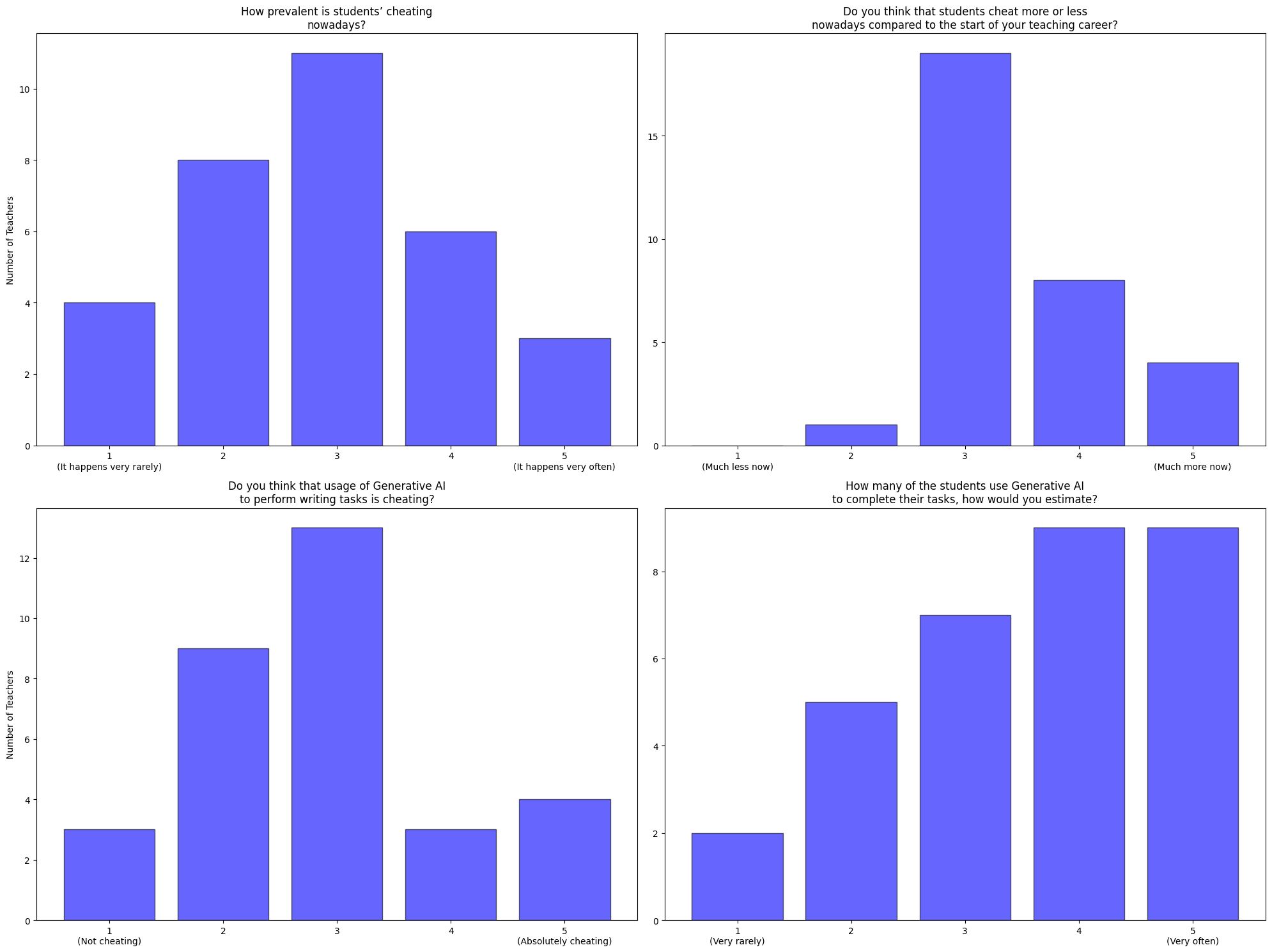
- Teachers generally view cheating as not very prevalent, but believe it is increasing over time.
- A majority view Generative AI usage for writing as not strictly cheating, while acknowledging widespread student use.
- Objective data show cheating investigations rising over 2004–2023, with a COVID-19 peak corroborated by perceptions.
- There is alignment between teachers’ perceived trends and actual cheating investigation trends.
- More experienced teachers show wider variation in responses, including some who believe cheating is very common.
- Students’ use of Generative AI is perceived as widespread, more so than whether AI use constitutes cheating.
Better researchstarts right now
From reading papers to final review, dramatically reduce your research time.
No credit card · Free plan available
This review was created by AI and reviewed by human editors.