
[论文解读] A Framework To Improve User Story Sets Through Collaboration
该论文提出 SCOUT,一种协作式 NLP 框架,通过从用户故事构建知识图谱并应用启发式方法生成实时建议,提升敏捷需求工程中用户故事的完整性。利用基于 BERT 的 NLP 流程和基于网页的界面,SCOUT 显著提升了故事质量和完整性,用户研究验证了其相较于 Google Docs 的统计显著优势(p = 0.015)。
Agile methodologies have become increasingly popular in recent years. Due to its inherent nature, agile methodologies involve stakeholders with a wide range of expertise and require interaction between them, relying on collaboration and customer involvement. Hence, agile methodologies encourage collaboration between all team members so that more efficient and effective processes are maintained. Generating requirements can be challenging, as it requires the participation of multiple stakeholders who describe various aspects of the project and possess a shared understanding of essential concepts. One simple method for capturing requirements using natural language is through user stories, which document the agreed-upon properties of a project. Stakeholders try to strive for completeness while generating user stories, but the final user story set may still be flawed. To address this issue, we propose SCOUT: Supporting Completeness of User Story Sets, which employs a natural language processing pipeline to extract key concepts from user stories and construct a knowledge graph by connecting related terms. The knowledge graph and different heuristics are then utilized to enhance the quality and completeness of the user story sets by generating suggestions for the stakeholders. We perform a user study to evaluate SCOUT and demonstrate its performance in constructing user stories. The quantitative and qualitative results indicate that SCOUT significantly enhance the quality and completeness of the user story sets. Our contribution is threefold. First, we develop heuristics to suggest new concepts to include in user stories by considering both the individuals' and other team members' contributions. Second, we implement an open-source collaborative tool to support writing user stories and ensuring their quality. Third, we share the experimental setup and materials.
研究动机与目标
- 解决协作式敏捷需求工程中用户故事集合不完整和不一致的挑战。
- 通过在用户故事创建过程中提供实时、上下文感知的建议,提升利益相关方协作效率。
- 开发一个可扩展的开源工具,通过自动化完整性检查支持需求质量。
- 证明 NLP 和知识图谱在真实敏捷环境中提升用户故事质量的有效性。
- 提供公开可获取的数据集和源代码,以支持复现和社区采纳。
提出的方法
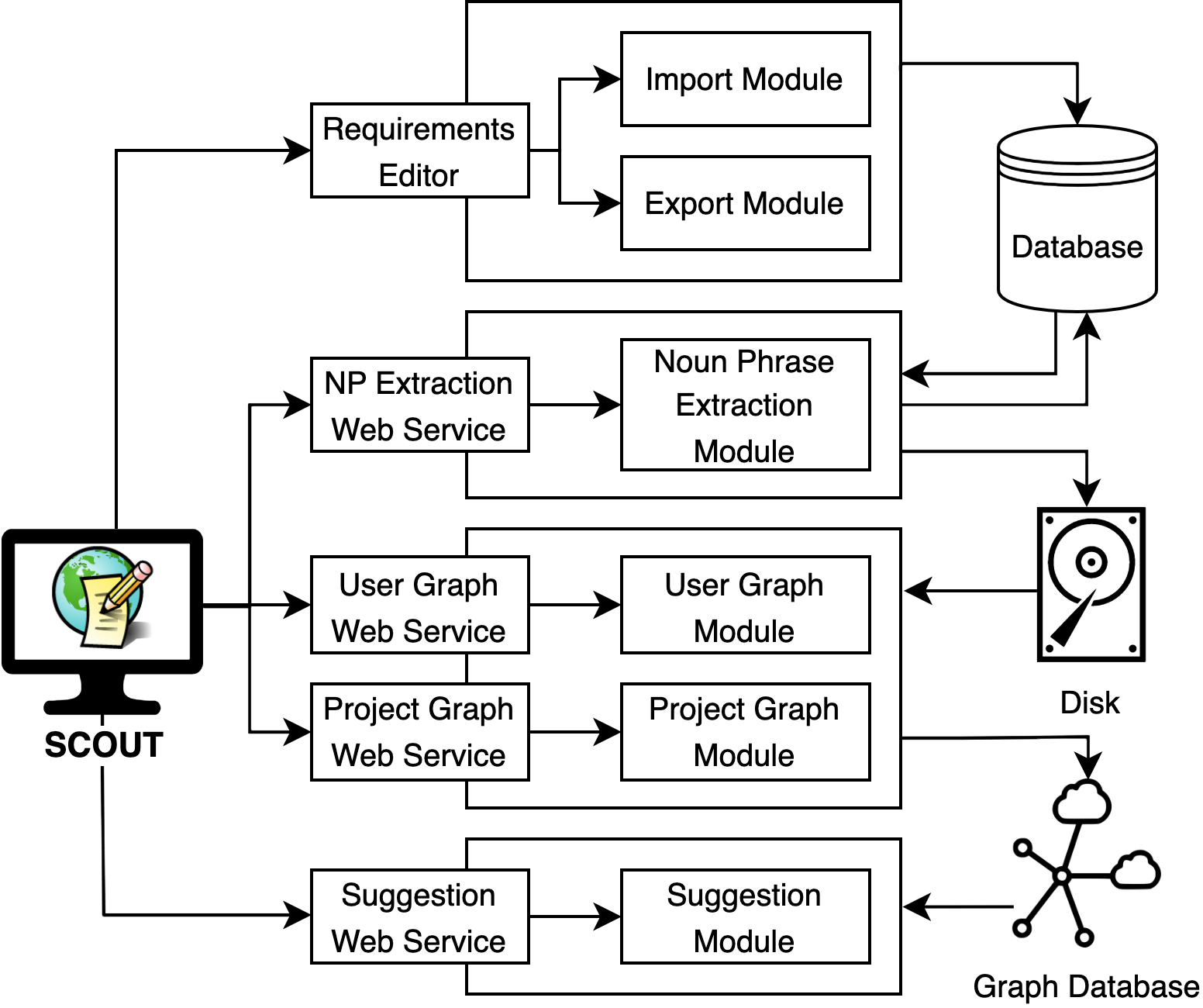
- 采用基于 BERT 的 NLP 流程,从用户故事中提取关键概念和名词短语。
- 通过使用句子嵌入计算概念之间的语义相似度,构建动态知识图谱。
- 应用多种启发式方法,基于图结构识别缺失的概念、关系以及潜在的重复项。
- 将系统集成到轻量级、基于网页的协作界面中,实现实时建议推送。
- 实现消息广播机制,以在协作环境中模拟利益相关方的沟通。
- 通过受控用户研究,将 SCOUT 与 Google Docs 作为基线进行对比,测量完整性与质量指标。
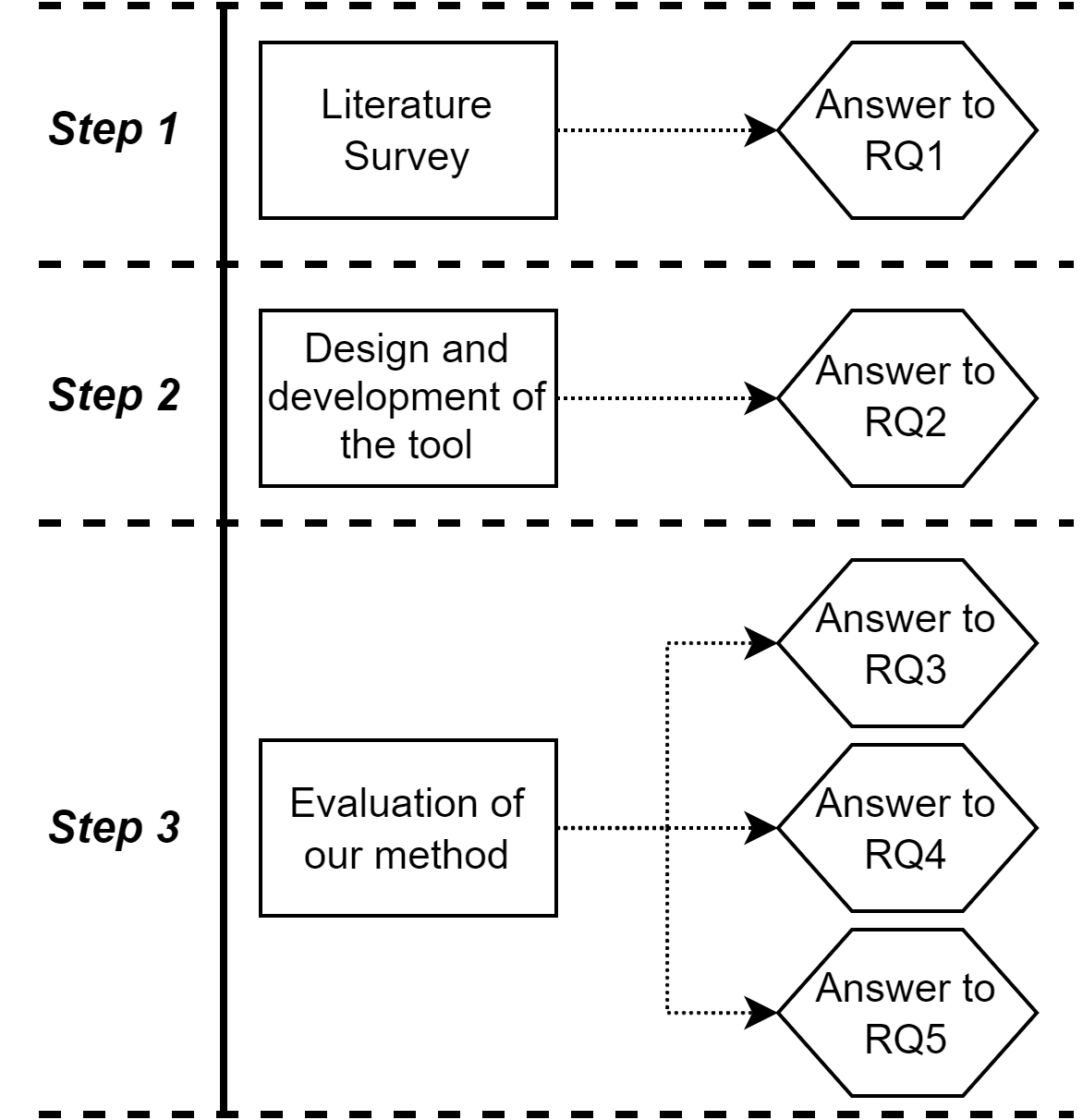
实验结果
研究问题
- RQ1与传统协作编辑工具相比,SCOUT 在多大程度上提升了用户故事集合的完整性?
- RQ2基于 NLP 的知识图谱和启发式方法在识别用户故事中缺失或冗余概念方面的有效性如何?
- RQ3利益相关方如何看待在协作需求编写过程中实时建议的可用性和实用性?
- RQ4SCOUT 是否能够降低认知负荷并减少达成一致且完整的用户故事集合所需的时间?
- RQ5SCOUT 相较于 Google Docs 等基线工具的性能提升具有多高的统计显著性?
主要发现
- SCOUT 相较于 Google Docs 在用户故事完整性方面实现了统计显著的提升,p 值为 0.015。
- 使用 SCOUT 的参与者生成的用户故事集合在概念完整性方面表现更优,经专家评估和启发式覆盖度测量。
- 利益相关方在协作编写过程中认为系统的实时建议具有帮助性且上下文相关。
- 知识图谱成功识别出即使表述不同的语义相关概念,提升了概念一致性。
- SCOUT 的源代码和实验数据的开源发布,支持复现和社区扩展。
- 用户研究表明,SCOUT 减少了对手动审查的依赖,并增强了需求获取过程中的团队协同。
阅读本论文
在 Nubint 阅读器中打开原文,边读边就任意段落提问。
在 Nubint 中阅读本论文本解读由 AI 根据论文原文生成,引用前请核对原文。