
[论文解读] A Philosophical Introduction to Language Models -- Part I: Continuity With Classic Debates
本论文提供关于大型语言模型(LLMs)的哲学入门与综述,论证它们挑战传统假设,同时勾勒经验性途径并为Part II关于探查内部机制铺路。
Large language models like GPT-4 have achieved remarkable proficiency in a broad spectrum of language-based tasks, some of which are traditionally associated with hallmarks of human intelligence. This has prompted ongoing disagreements about the extent to which we can meaningfully ascribe any kind of linguistic or cognitive competence to language models. Such questions have deep philosophical roots, echoing longstanding debates about the status of artificial neural networks as cognitive models. This article -- the first part of two companion papers -- serves both as a primer on language models for philosophers, and as an opinionated survey of their significance in relation to classic debates in the philosophy cognitive science, artificial intelligence, and linguistics. We cover topics such as compositionality, language acquisition, semantic competence, grounding, world models, and the transmission of cultural knowledge. We argue that the success of language models challenges several long-held assumptions about artificial neural networks. However, we also highlight the need for further empirical investigation to better understand their internal mechanisms. This sets the stage for the companion paper (Part II), which turns to novel empirical methods for probing the inner workings of language models, and new philosophical questions prompted by their latest developments.
研究动机与目标
- 将 LLMs 置于长期存在的心灵哲学、语言哲学和科学哲学辩论之中。
- 评估 LLMs 是否能够成为对认知的有意义的模型,超越表层行为。
- 综述与内部机制和知识获取相关的经验与理论证据。
- 为未来的研究方向和用于探查 LLMs 内部工作机制的经验方法设框。
提出的方法
- 提供一个将哲学与 LLM 技术桥接的具有观点性的综述。
- 突出历史基础与关键架构(Transformer、自注意力)。
- 讨论经验证据与方法论考虑(行为基准与探测)。
- 引入 Redescription Fallacy,以警示在没有证据的情况下得出的先验结论。
- 概述 RLHF 与 in-context learning 如何影响对 LLMs 的规范性使用。
- 为 Part II 的到来铺垫,该部分将详述用于探查内部机制的新型经验方法。
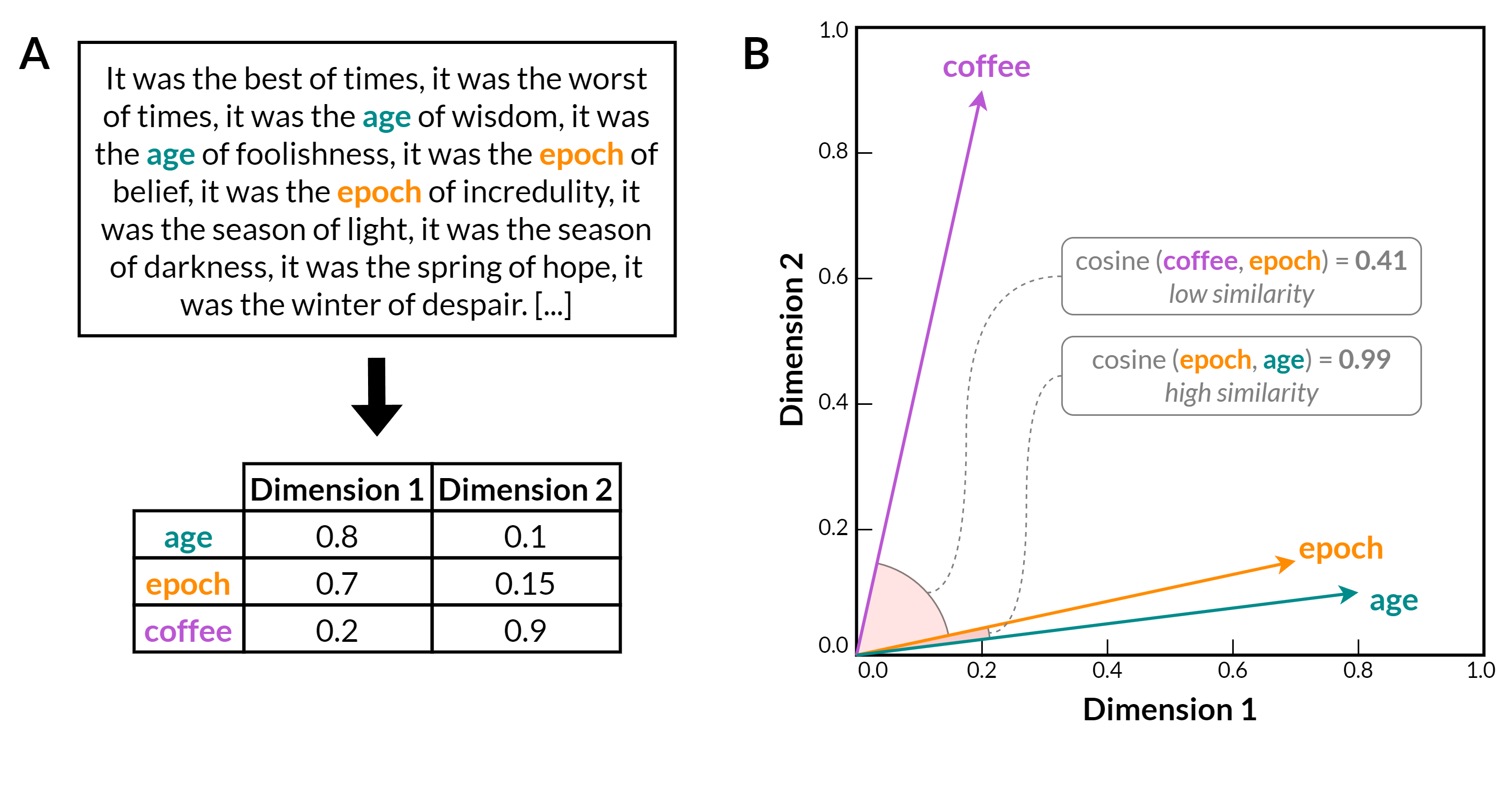
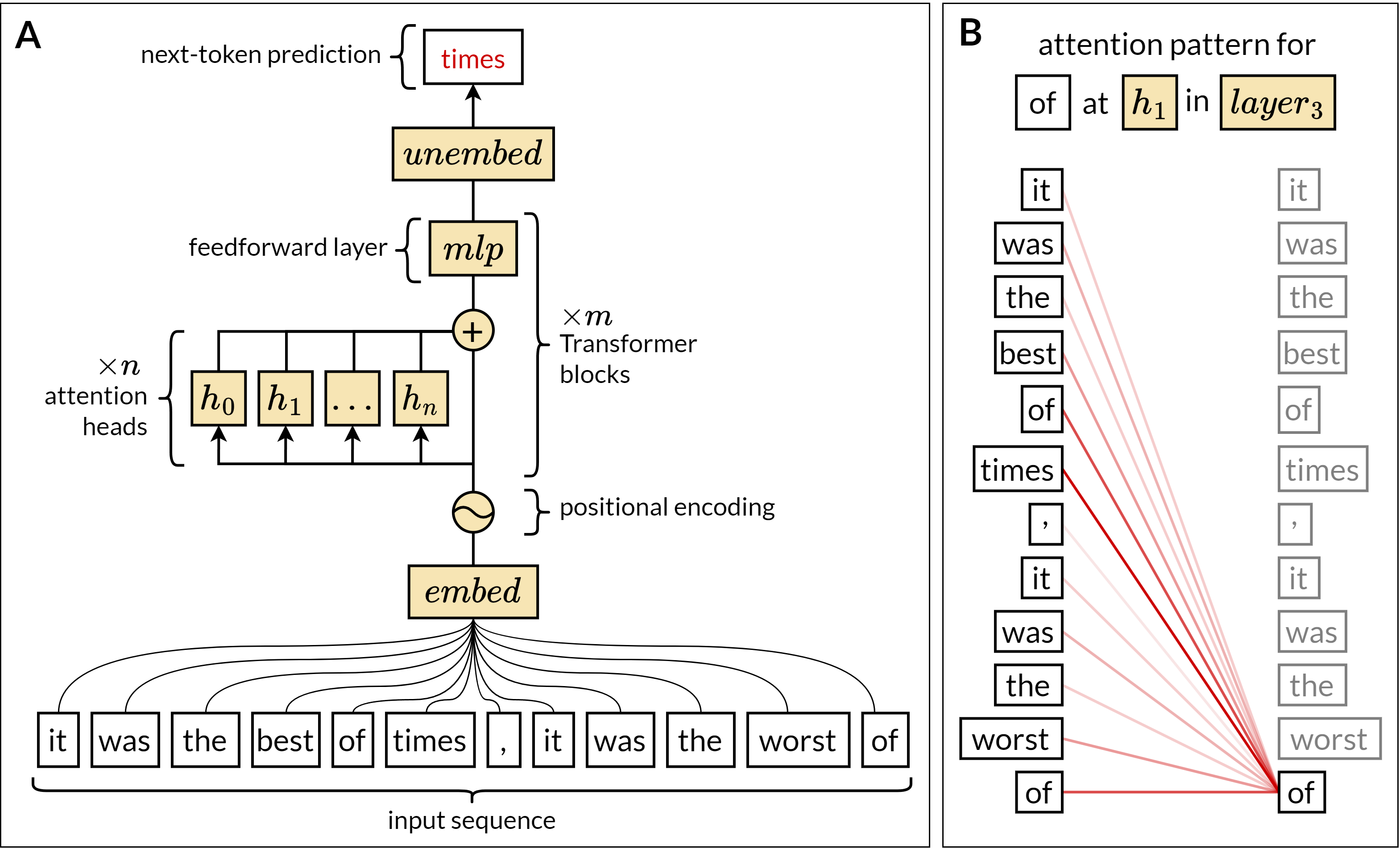
实验结果
研究问题
- RQ1Do LLMs constitute faithful models of human linguistic or cognitive processes beyond surface-level performance?
- RQ2What empirical evidence from architecture, data, and training can arbitrate debates about LLMs as cognitive models?
- RQ3How do techniques like RLHF and in-context learning bear on the normative assessment of LLMs (truthfulness, usefulness, safety)?
- RQ4What methodological approaches can illuminate the internal representations and computations of LLMs beyond behavioral benchmarks?
主要发现
- LLMs 挑战长期以来关于人工神经网络只是记忆而非推理的刻板假设。
- 经验与方法证据对于裁决关于 LLMs 作为认知模型的辩论至关重要,而不仅仅是架构或数据的描述。
- In-context 与 few-shot 学习,尤其是在更大模型和使用 RLHF 的情况下,能够实现鲁棒的 zero-shot 与 few-shot 表现。
- 需要进行探查与干预性研究,以揭示超越表面基准的内部机制。
- 本文主张以 LLM 行为和内部表征为心灵哲学辩论提供经验基础,Part II 详细介绍此类方法。
阅读本论文
在 Nubint 阅读器中打开原文,边读边就任意段落提问。
在 Nubint 中阅读本论文本解读由 AI 根据论文原文生成,引用前请核对原文。