
[论文解读] A Review of Multi-Modal Large Language and Vision Models
本论文综述多模态大型语言模型(MM-LLMs)的现状,涵盖历史、架构、开源与专有模型、训练/微调方法、伦理与评估。还回顾了具有多模态能力的主要文本仅LLMs以及视觉-语言模型。
Large Language Models (LLMs) have recently emerged as a focal point of research and application, driven by their unprecedented ability to understand and generate text with human-like quality. Even more recently, LLMs have been extended into multi-modal large language models (MM-LLMs) which extends their capabilities to deal with image, video and audio information, in addition to text. This opens up applications like text-to-video generation, image captioning, text-to-speech, and more and is achieved either by retro-fitting an LLM with multi-modal capabilities, or building a MM-LLM from scratch. This paper provides an extensive review of the current state of those LLMs with multi-modal capabilities as well as the very recent MM-LLMs. It covers the historical development of LLMs especially the advances enabled by transformer-based architectures like OpenAI's GPT series and Google's BERT, as well as the role of attention mechanisms in enhancing model performance. The paper includes coverage of the major and most important of the LLMs and MM-LLMs and also covers the techniques of model tuning, including fine-tuning and prompt engineering, which tailor pre-trained models to specific tasks or domains. Ethical considerations and challenges, such as data bias and model misuse, are also analysed to underscore the importance of responsible AI development and deployment. Finally, we discuss the implications of open-source versus proprietary models in AI research. Through this review, we provide insights into the transformative potential of MM-LLMs in various applications.
研究动机与目标
- 总结大型语言模型的历史发展以及 Transformer 注意力在其能力中的作用。
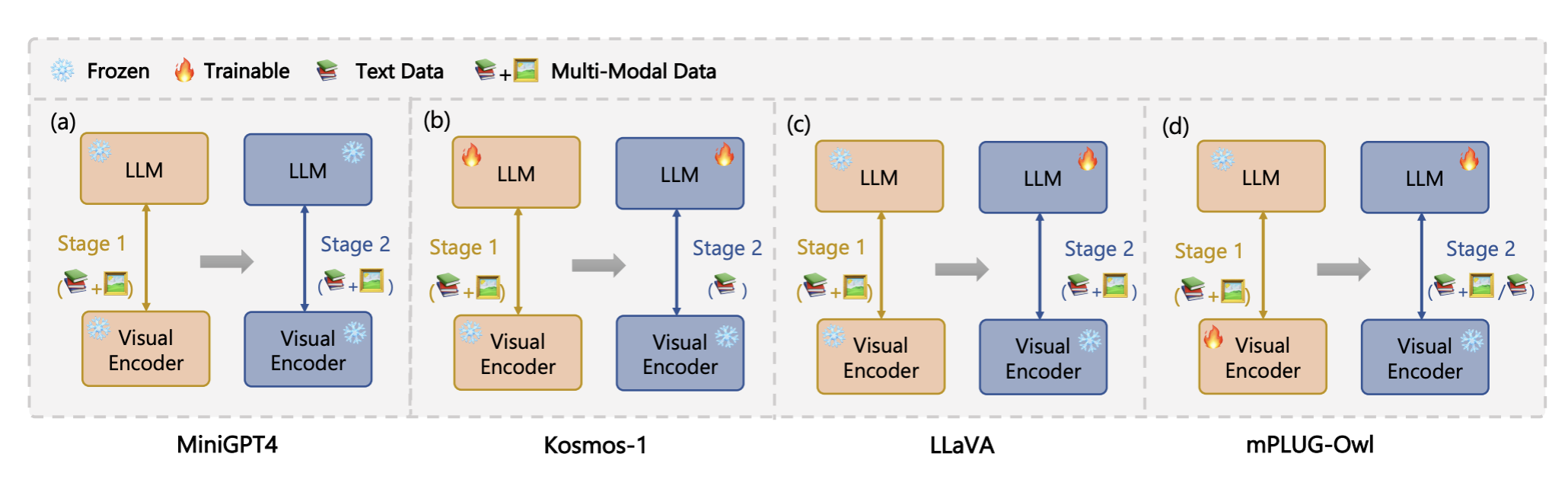
- 评估 LLM 的多模态扩展以及视觉组件如何集成到基础 LLM 中。
- 比较开源与专有 LLM 在成本、透明度和伦理考量方面的差异。
- 回顾用于将模型针对任务量身定制的常见微调和提示工程技术。
- 讨论与 MM-LLMs 及其部署相关的评估基准和伦理挑战。
提出的方法
- 回顾并综合关键 LLM 与 MM-LLM 模型及其架构。
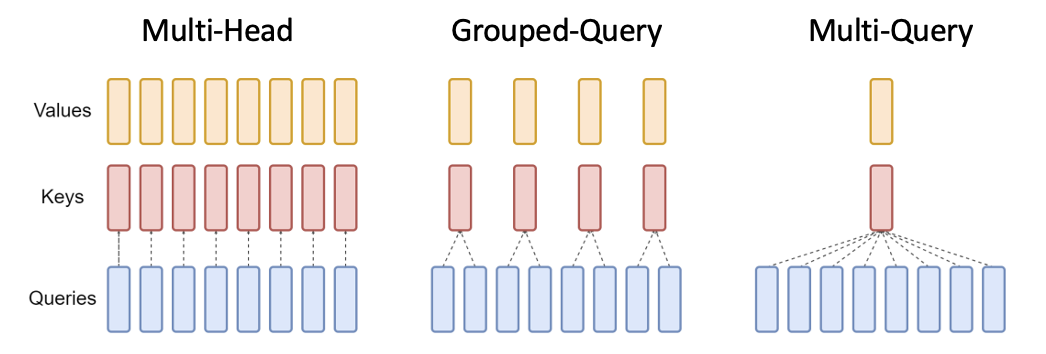
- 解释注意力机制及其变体(MHA、MQA、GQA)及它们的计算权衡。
- 概述训练/微调方法(LoRA、QLoRA、SFT、RLHF)及其影响。
- 分析开源与专有模型,包括许可和数据方面的考虑。
- 讨论评估基准和评估 MM-LLMs 与 LLMs 的方法。
- 强调伦理问题,如数据偏见与模型滥用,并讨论开源性。
实验结果
研究问题
- RQ1LLMs 与 MM-LLMs 的主要发展是什么,它们在架构和训练方面有何不同?
- RQ2视觉组件如何被整合到 LLM 以形成 MM-LLMs,最有效的微调方法是什么?
- RQ3关于成本、透明度和伦理,开源与专有 LLM 的权衡是什么?
- RQ4用来评估 MM-LLMs 的评估基准有哪些,基准测试中会遇到哪些挑战?
- RQ5在 MM-LLMs 的开发与部署中会出现哪些伦理考量,如何缓解?
主要发现
- MM-LLMs 通过改造现有模型或从零开始构建,将图像、视频和音频的能力扩展到 LLM,支持图像描述和文本到视频生成等应用。
- 注意力机制(自注意、MHA、MQA、GQA)是基于 Transformer 的模型的核心,影响性能和资源使用。
- 开源 LLM(如 LLaMA 家族、Falcon、Mistral)在透明度和成本方面具有优势,但在许可和相对专有模型的性能方面存在差异。
- 微调方法(LoRA、QLoRA、SFT)和 RLHF 是定制模型、同时控制成本和效率的常见策略。
- 伦理问题包括数据偏见、模型滥用以及许可/访问问题,讨论开源与闭源模型及监管影响。
- 对 LLMs/MM-LLMs 的评估与基准测试依赖 standard NLP 与多模态基准,强调实际性能和安全性。
阅读本论文
在 Nubint 阅读器中打开原文,边读边就任意段落提问。
在 Nubint 中阅读本论文本解读由 AI 根据论文原文生成,引用前请核对原文。