
[论文解读] A Survey on Data Selection for Language Models
本论文提供对语言模型的数据选择方法的全面综述,提出一个统一框架、一个分类法,并就预训练、指令微调、对齐等相关领域的未来研究提供指南。
A major factor in the recent success of large language models is the use of enormous and ever-growing text datasets for unsupervised pre-training. However, naively training a model on all available data may not be optimal (or feasible), as the quality of available text data can vary. Filtering out data can also decrease the carbon footprint and financial costs of training models by reducing the amount of training required. Data selection methods aim to determine which candidate data points to include in the training dataset and how to appropriately sample from the selected data points. The promise of improved data selection methods has caused the volume of research in the area to rapidly expand. However, because deep learning is mostly driven by empirical evidence and experimentation on large-scale data is expensive, few organizations have the resources for extensive data selection research. Consequently, knowledge of effective data selection practices has become concentrated within a few organizations, many of which do not openly share their findings and methodologies. To narrow this gap in knowledge, we present a comprehensive review of existing literature on data selection methods and related research areas, providing a taxonomy of existing approaches. By describing the current landscape of research, this work aims to accelerate progress in data selection by establishing an entry point for new and established researchers. Additionally, throughout this review we draw attention to noticeable holes in the literature and conclude the paper by proposing promising avenues for future research.
研究动机与目标
- 提供在语言模型训练阶段跨越的数据选择方法的统一视角。
- 引入分类法和统一的概念框架,以比较数据选择方法。
- 确定数据选择中的关键设计维度和权衡。
- 调查预训练以及其他训练范式(指令微调、对齐等)的数据选择技术。
- 突出文献中的空白并提出未来工作的有前景方向。
提出的方法
- 提出一个带效用函数和选择机制的形式化数据选择框架。
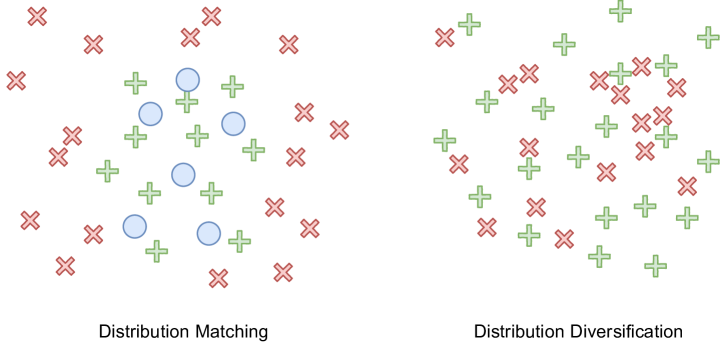
- 按照分布匹配与多样化、数据点与数据集调整、二元输出与自然数输出等维度,对数据选择方法进行分类。
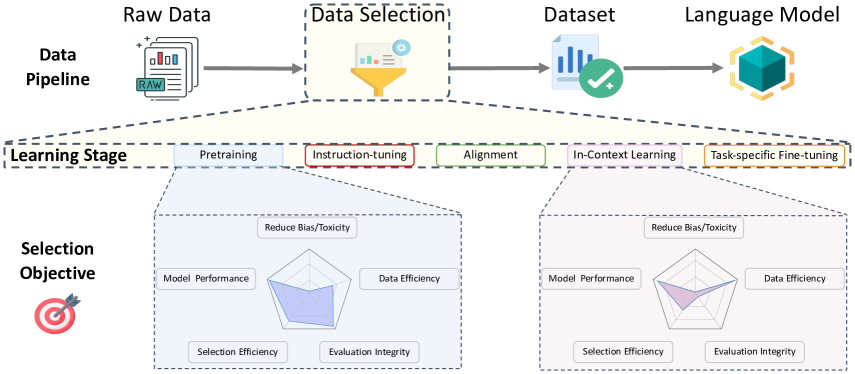
- 按训练阶段(预训练、指令微调、对齐等)组织调查,并讨论每个阶段的代表性方法。
- 提供一个分类法和对语言过滤、启发式方法、数据质量、去重、毒性过滤、多语言过滤和数据混合的叙述性综述。
- 确定在实际场景中应用数据选择时的实际考量、权衡与工具。
实验结果
研究问题
- RQ1现有的语言模型数据选择方法是什么,如何在统一框架内进行分类?
- RQ2在不同训练阶段(预训练、指令微调、对齐、上下文学习、特定任务微调)中,数据选择目标有何差异,带来哪些权衡?
- RQ3文献中存在哪些空白和未解问题,未来哪些方向在数据选择研究中最具潜力?
主要发现
- 作者提出了一个统一的概念框架和分类法,区分分布匹配与多样化,并区分数据点级与数据集级的调整。
- 他们调查了预训练数据选择的广泛方法,包括语言过滤、启发式过滤、数据质量、去重、毒性过滤等。
- 论文强调数据选择在各阶段的目标(如预训练中的效率和性能;微调中的定向信号),并讨论在大规模应用过滤时的实际权衡与挑战。
- 他们确定文献中的空白,例如在混合文档中对更好的多语言代码数据检测的需求,以及数据源景观的变化,并提出加速研究和提升对目标分布理解的方向。
- 综述强调评估完整性、记忆与泛化,以及从模型训练到数据处理在计算时间上的转变等因素,在数据选择中的重要性。
阅读本论文
在 Nubint 阅读器中打开原文,边读边就任意段落提问。
在 Nubint 中阅读本论文本解读由 AI 根据论文原文生成,引用前请核对原文。