
[论文解读] A Systematic Literature Review of Explainable AI for Software Engineering
本文开展了一项系统性文献综述,映射在软件工程(XAI4SE)中使用的可解释人工智能(XAI)方法,识别哪些软件工程领域和任务被研究、使用了哪些XAI方法,以及XAI在软件工程中的有用程度,并给出未来工作的路线图。
Context: In recent years, leveraging machine learning (ML) techniques has become one of the main solutions to tackle many software engineering (SE) tasks, in research studies (ML4SE). This has been achieved by utilizing state-of-the-art models that tend to be more complex and black-box, which is led to less explainable solutions that reduce trust and uptake of ML4SE solutions by professionals in the industry. Objective: One potential remedy is to offer explainable AI (XAI) methods to provide the missing explainability. In this paper, we aim to explore to what extent XAI has been studied in the SE community (XAI4SE) and provide a comprehensive view of the current state-of-the-art as well as challenge and roadmap for future work. Method: We conduct a systematic literature review on 24 (out of 869 primary studies that were selected by keyword search) most relevant published studies in XAI4SE. We have three research questions that were answered by meta-analysis of the collected data per paper. Results: Our study reveals that among the identified studies, software maintenance (\%68) and particularly defect prediction has the highest share on the SE stages and tasks being studied. Additionally, we found that XAI methods were mainly applied to classic ML models rather than more complex models. We also noticed a clear lack of standard evaluation metrics for XAI methods in the literature which has caused confusion among researchers and a lack of benchmarks for comparisons. Conclusions: XAI has been identified as a helpful tool by most studies, which we cover in the systematic review. However, XAI4SE is a relatively new domain with a lot of untouched potentials, including the SE tasks to help with, the ML4SE methods to explain, and the types of explanations to offer. This study encourages the researchers to work on the identified challenges and roadmap reported in the paper.
研究动机与目标
- 评估哪些软件工程领域和任务已使用XAI方法进行研究。
- 识别在SE研究中应用的XAI技术与解释。
- 评估XAI对SE的有用性并总结局限性与未来路线图。
提出的方法
- 按照Kitchenham指南进行系统文献综述。
- 使用覆盖可解释/解释性术语、SE任务和ML术语的结构化关键词,在五大数据库中检索。
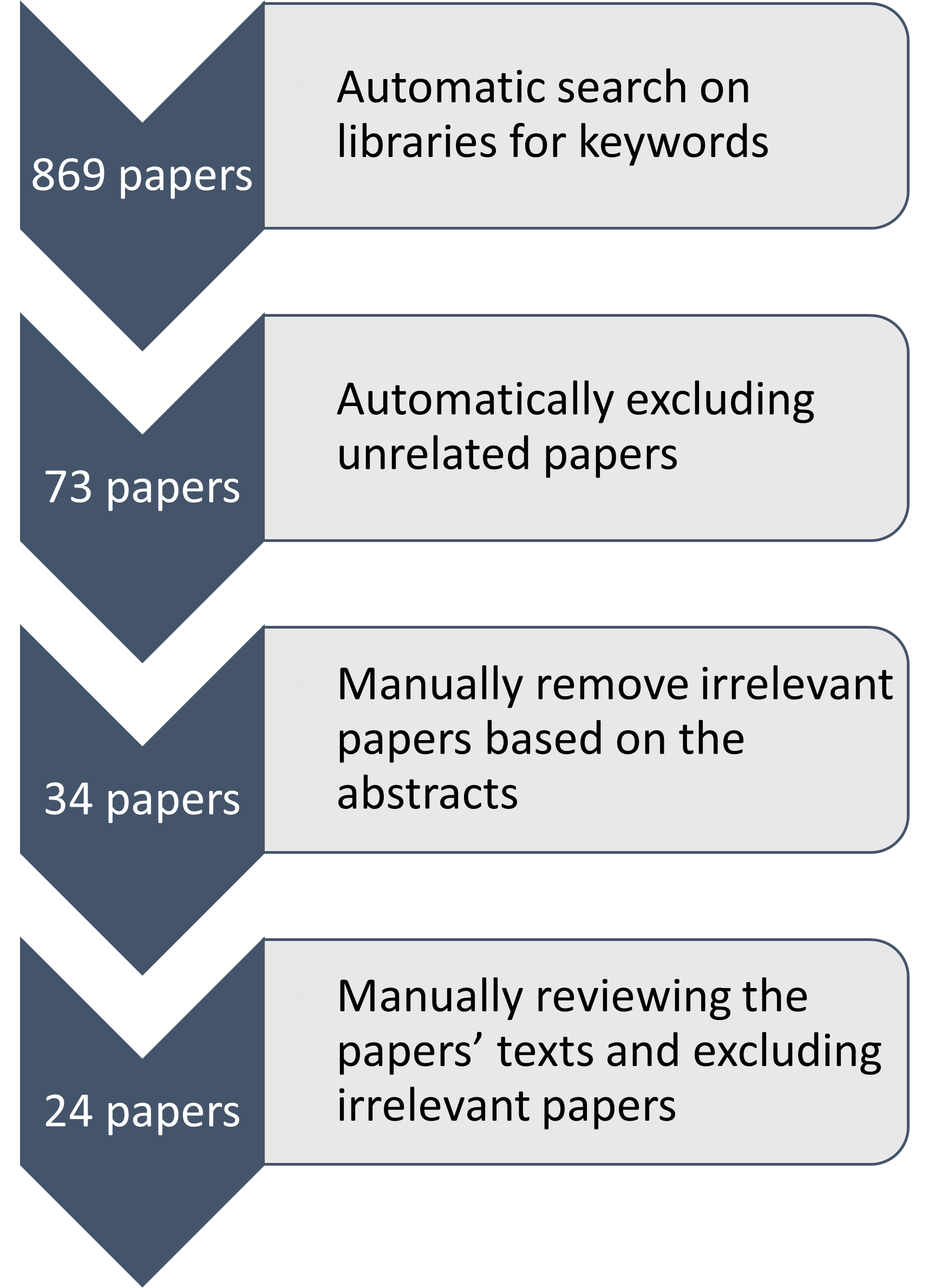
- 筛选出869篇初始论文,最终纳入24项符合标准的研究。
- 对每篇论文提取17个属性以回答研究问题。
- 对结果进行描述性统计和逐论文元分析综合。
实验结果
研究问题
- RQ1RQ1:迄今为止Explainable AI方法被用于哪些主要的软件工程领域和任务?
- RQ2RQ2:有哪些Explainable AI方法被用于软件工程任务?
- RQ3RQ3:XAI对软件工程的有用性如何,以及对解释的评估方式?
主要发现
- 软件维护是研究最多的SDLC阶段(68%的任务),缺陷预测是领先任务(在缺陷相关工作中占比44%)。
- 大多数SE中的XAI应用依赖自解释或模型内部解释,较少使用更高层次的解释,如可视化或自然语言论证。
- LIME和ANOVA是本次综述研究中最常使用的XAI方法之一。
- 在SE中的XAI缺乏标准评估指标,且人本导向评估有限,提示需要基准和严格的用户研究。
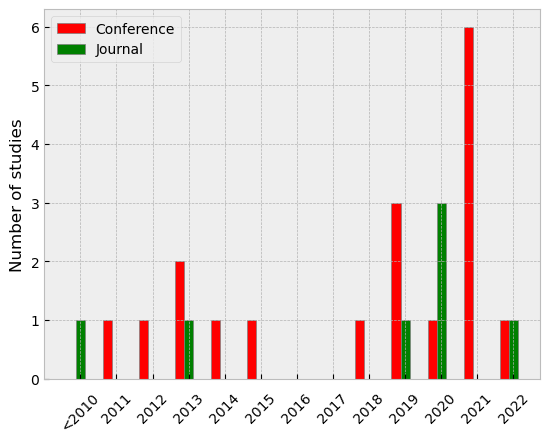
- 综述发现XAI4SE领域处于初期阶段,2019年后增长,并强调在SE任务、ML4SE方法和解释类型方面存在差距。
阅读本论文
在 Nubint 阅读器中打开原文,边读边就任意段落提问。
在 Nubint 中阅读本论文本解读由 AI 根据论文原文生成,引用前请核对原文。