
[论文解读] Aligning with Logic: Measuring, Evaluating and Improving Logical Preference Consistency in Large Language Models
本文提出一种通用框架,通过利用传递性、对称性和否定不变性这三项核心属性,系统性地衡量并提升大语言模型(LLMs)的逻辑一致性。通过排名聚合方法对噪声较大的成对偏好标注进行优化,并逻辑外推生成额外的比较数据,该方法在不损害与人类偏好对齐的前提下,增强了LLMs的内在逻辑一致性,从而在依赖逻辑的算法中表现更优,且与模型鲁棒性具有更强的相关性。
Large Language Models (LLMs) are expected to be predictable and trustworthy to support reliable decision-making systems. Yet current LLMs often show inconsistencies in their judgments. In this work, we examine logical preference consistency as a foundational requirement for building more dependable LLM systems, ensuring stable and coherent decision-making while minimizing erratic or contradictory outputs. To quantify the logical preference consistency, we propose a universal evaluation framework based on three fundamental properties: transitivity, commutativity and negation invariance. Through extensive experimentation across diverse LLMs, we demonstrate that these properties serve as strong indicators of judgment robustness. Furthermore, we introduce a data refinement and augmentation technique, REPAIR, that enhances logical consistency while maintaining alignment with human preferences. Finally, we show that improving consistency leads to better performance in LLM-driven logic-based algorithms, reinforcing stability and coherence in decision-making systems.
研究动机与目标
- 为解决大语言模型中逻辑一致性缺乏系统性评估与改进的问题,该问题削弱了其在决策过程中的可靠性与可信度。
- 确立逻辑一致性(特别是传递性、对称性和否定不变性)作为模型鲁棒性与可靠性的关键代理指标。
- 开发一种数据精炼与增强技术,实现在训练阶段提升逻辑一致性,同时不降低与人类偏好的对齐程度。
- 证明更高的逻辑一致性可提升依赖逻辑的下游算法的性能与效率,例如偏好排序聚合算法。
提出的方法
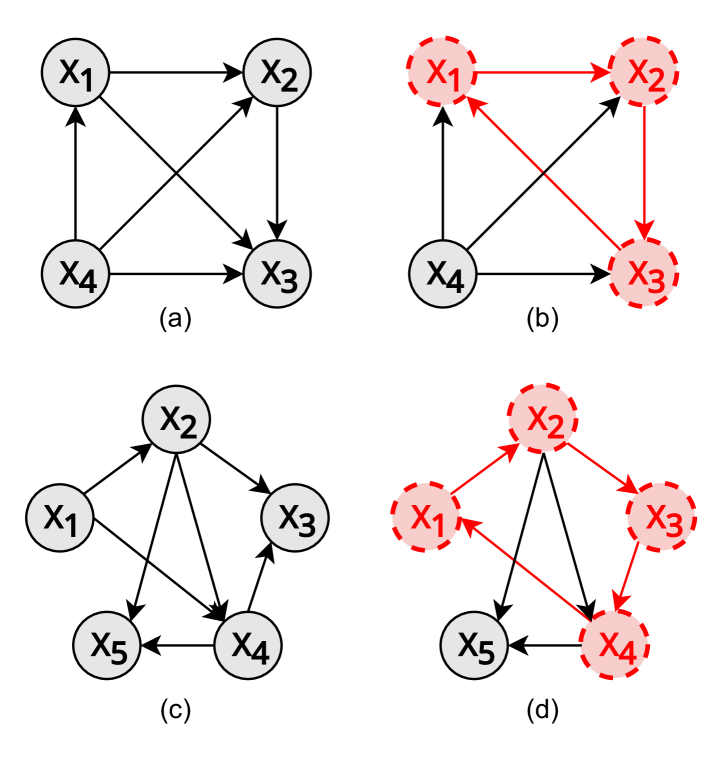
- 提出一个通用的数学框架,利用三项基本代理指标(传递性、对称性和否定不变性)来量化逻辑一致性。
- 应用排名聚合方法(如Borda计数法、Kemeny-Young方法)从噪声大、稀疏的成对比较中估计部分或完全有序的偏好排名。
- 利用估计出的排名,逻辑外推并扩充原始的成对比较数据,生成新的、一致的训练样本。
- 在精炼并扩充后的数据上微调LLMs,以提升其内部的逻辑一致性,同时保持与人类偏好的对齐。
- 通过在SummEval上的受控实验,结合校准后与原始结果,评估逻辑一致性,以减少位置偏差。
- 将LLMs作为逻辑算子集成到基于排序的偏好排序算法中,评估因逻辑一致性提升带来的性能增益。

实验结果
研究问题
- RQ1当前最先进LLMs在传递性、对称性和否定不变性方面表现出多大程度的逻辑不一致性?
- RQ2逻辑一致性能否作为整体模型鲁棒性与可靠性的可靠代理指标?
- RQ3通过排名聚合进行数据精炼是否能在不损害与人类偏好对齐的前提下,提升LLMs的逻辑一致性?
- RQ4增强的逻辑一致性如何影响依赖逻辑的下游算法的性能与效率?
主要发现
- Phi-3-mini在排名性能上优于GPT-3.5-turbo,尽管其人类判断准确率略低,主要归因于更强的传递性。
- 具有更高对称性的模型在校准后表现出更大的性能提升,表明其对位置校正的依赖更小,计算成本更低。
- 该数据精炼与增强框架显著提升了包括Llama 3、Gemma和Phi-3在内的多种LLMs的逻辑一致性,且未降低与人类偏好的对齐程度。
- 在精炼数据上训练的LLMs在作为基于排序的偏好聚合算法中的逻辑算子时,表现出更优的性能与更低的计算需求。
- 观察到逻辑一致性与整体模型鲁棒性之间存在强相关性,验证了逻辑一致性作为可靠性关键代理指标的有效性。
阅读本论文
在 Nubint 阅读器中打开原文,边读边就任意段落提问。
在 Nubint 中阅读本论文本解读由 AI 根据论文原文生成,引用前请核对原文。