
[论文解读] Argumentative Large Language Models for Explainable and Contestable Claim Verification
本文提出论辩型大语言模型(LLMs),通过生成形式化论辩框架来增强在主张验证任务中决策的可解释性与可争议性。通过将 LLM 输出结构化为支持与反对主张的论据,该方法实现了透明、可审计的推理,并在无需微调的情况下实现了与最先进基线模型相当的性能表现。
The profusion of knowledge encoded in large language models (LLMs) and their ability to apply this knowledge zero-shot in a range of settings makes them promising candidates for use in decision-making. However, they are currently limited by their inability to provide outputs which can be faithfully explained and effectively contested to correct mistakes. In this paper, we attempt to reconcile these strengths and weaknesses by introducing \emph{argumentative LLMs (ArgLLMs)}, a method for augmenting LLMs with argumentative reasoning. Concretely, ArgLLMs construct argumentation frameworks, which then serve as the basis for formal reasoning in support of decision-making. The interpretable nature of these argumentation frameworks and formal reasoning means that any decision made by ArgLLMs may be explained and contested. We evaluate ArgLLMs' performance experimentally in comparison with state-of-the-art techniques, in the context of the decision-making task of claim verification. We also define novel properties to characterise contestability and assess ArgLLMs formally in terms of these properties.
研究动机与目标
- 为解决标准 LLM 决策中可解释性与可争议性的不足,特别是在高风险场景中的问题。
- 通过支持模型自生成论辩(即同时生成支持与反对主张的论据)来改进 LLM 推理能力。
- 将推理输出形式化为可解释的论辩框架,以支持人工干预与验证。
- 证明论辩型 LLM 在主张验证基准上可实现具有竞争力的性能,同时提供忠实、可追溯的推理过程。
- 支持不确定性估计与人工监督,从而增强 LLM 驱动决策中的可信度与安全性。
提出的方法
- 该方法利用 LLM 为给定主张生成一组支持与反对的论据,从而构建结构化的论辩框架。
- 通过直接提示(direct prompting)为每个论据分配强度得分,基于 LLM 自身的置信度或输出 logits。
- 最终决策通过使用既定论辩语义(如基底扩展)的确定性、形式化评估来得出。
- 系统无需微调,仅依赖零样本提示(zero-shot prompting)生成论据与强度得分。
- 该框架支持人工争议:直接修改论据或其强度可改变最终结果,确保可追溯性。
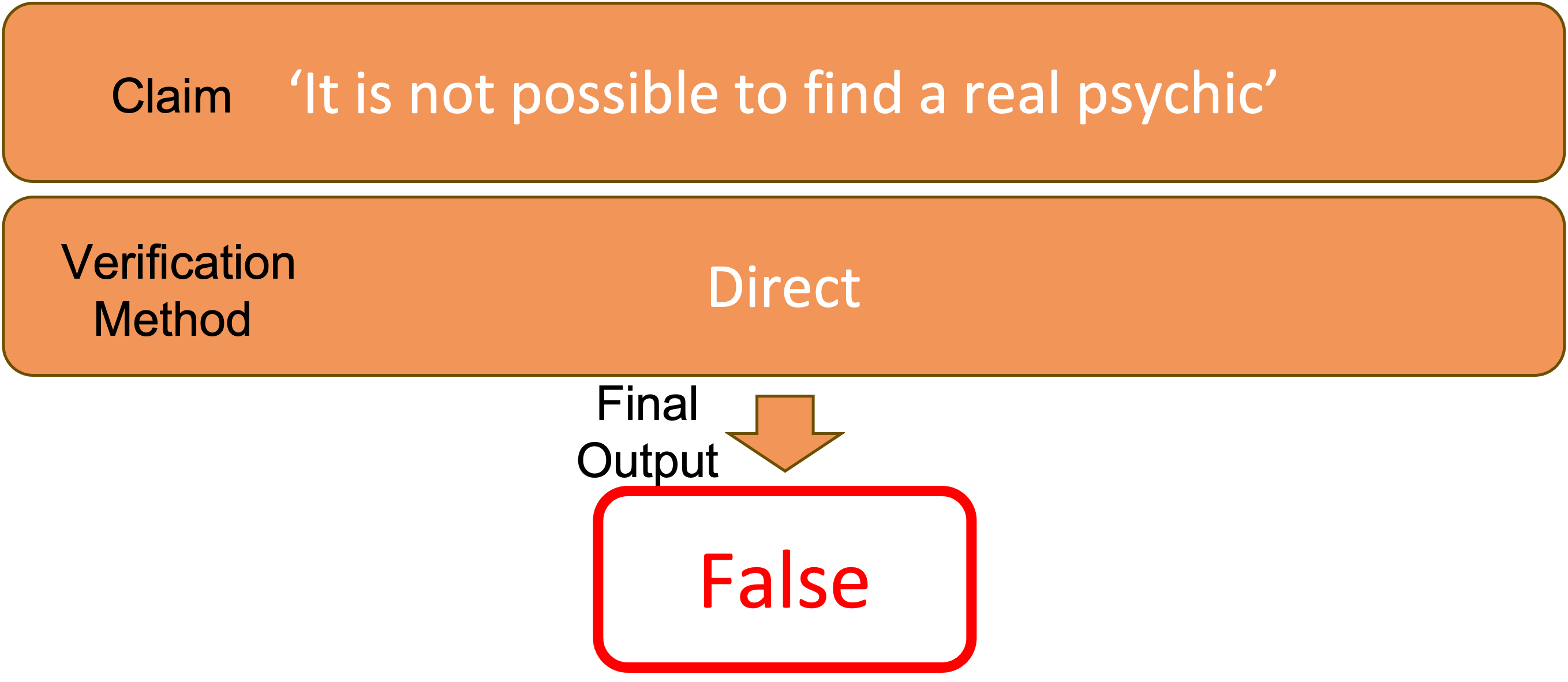
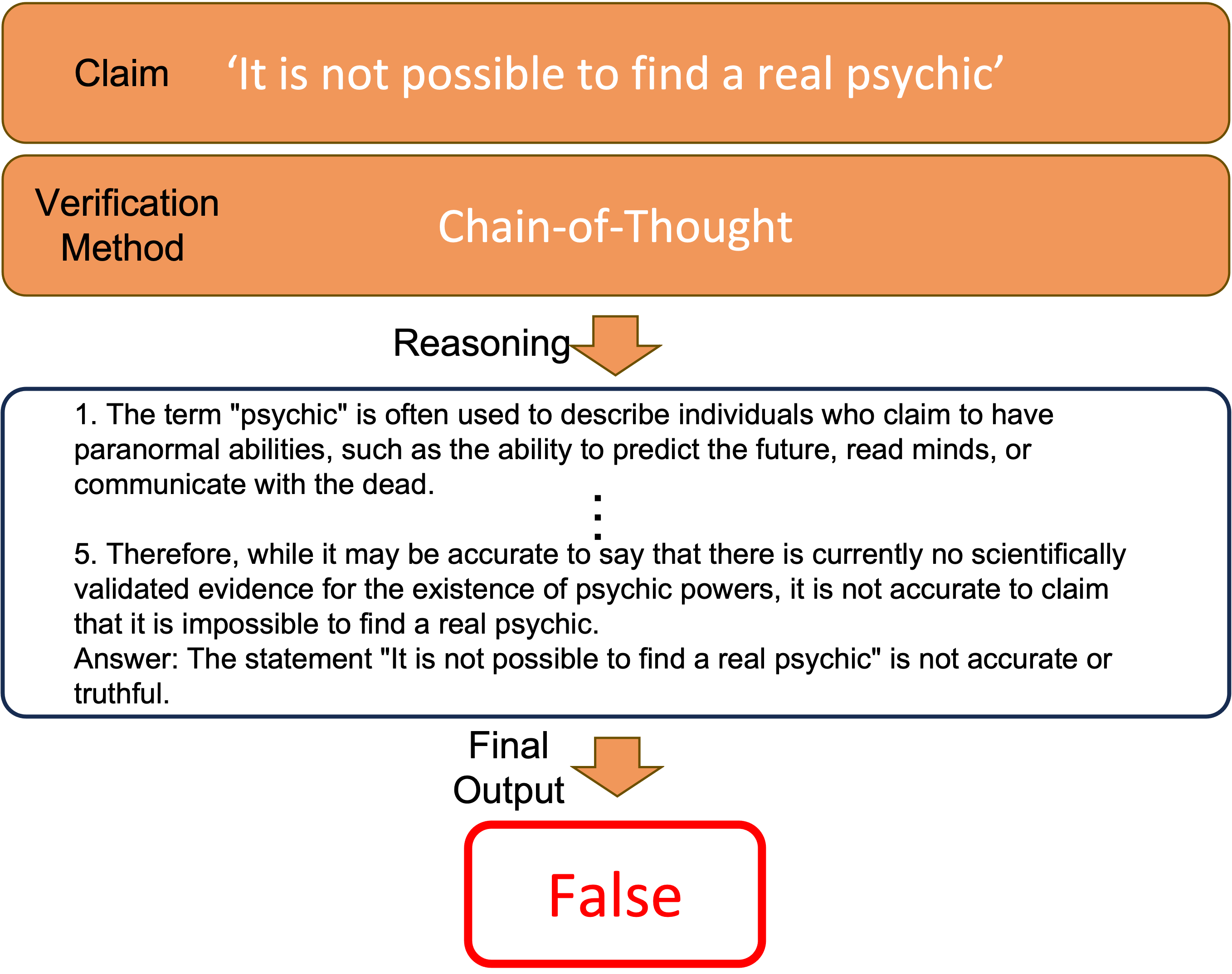
- 该方法在三个主张验证数据集上进行评估,并与思维链(chain-of-thought)和直接推理基线进行性能对比。
实验结果
研究问题
- RQ1LLM 是否可被结构化为同时生成支持与反对主张的论据,从而实现更平衡、更透明的推理?
- RQ2将 LLM 输出形式化为论辩框架是否能提升决策的可解释性与可争议性?
- RQ3论辩型 LLM 是否能在无需微调的情况下实现主张验证任务的竞争力表现?
- RQ4论据强度估计的引入如何影响不确定性校准与决策可靠性?
- RQ5人类用户在多大程度上能对推理过程进行有意义的干预?这种干预如何影响最终决策?
主要发现
- 论辩型 LLM 方法在三个主张验证数据集上实现了具有竞争力的性能,在多个案例中优于或匹配最先进基线模型。
- 该方法提供了忠实、确定性的推理路径,实现了决策的完全可追溯性与可解释性。
- 人工对论辩框架的干预(如增删论据)会引发可测量、可预测的最终决策变化,确保了可争议性。
- 与直接报告置信度相比,该系统生成的不确定性估计更校准,表现为 Brier 分数与 AUC 值的提升。
- 基于提示的论据强度归属在不同模型间表现一致,降低了分布偏移对可靠性的影响风险。
- 该方法在多种 LLM 上保持稳健,展现出无需微调的泛化潜力。
阅读本论文
在 Nubint 阅读器中打开原文,边读边就任意段落提问。
在 Nubint 中阅读本论文本解读由 AI 根据论文原文生成,引用前请核对原文。