
[论文解读] COIG-CQIA: Quality is All You Need for Chinese Instruction Fine-tuning
本文提出 COIG-CQIA,一组高质量的中文指令微调数据集,源自真实的中文互联网资源,并分析数据质量与来源对模型在不同规模下的性能与安全性的影响。
Remarkable progress on English instruction tuning has facilitated the efficacy and reliability of large language models (LLMs). However, there remains a noticeable gap in instruction tuning for Chinese, where the complex linguistic features pose significant challenges. Existing datasets, generally distilled from English-centric LLMs, are not well-aligned with Chinese users' interaction patterns. To bridge this gap, we introduce COIG-CQIA, a new Chinese instruction tuning dataset derived from various real-world resources and undergoing rigorous human verification. We conduct extensive experiments on COIG-CQIA, and compare them with strong baseline models and datasets. The experimental results show that models trained on COIG-CQIA achieve highly competitive performance in diverse benchmarks. Additionally, our findings offer several insights for designing effective Chinese instruction-tuning datasets and data-mixing strategies. Our dataset are available at https://huggingface.co/datasets/m-a-p/COIG-CQIA.
研究动机与目标
- 创建一个多样化、高质量的中文指令微调数据集,且与真实的中文用户交互保持一致。
- 评估数据来源与质量如何影响微调模型在不同领域和任务中的能力。
- 为选择与组合中文数据源以用于指令微调提供见解。
提出的方法
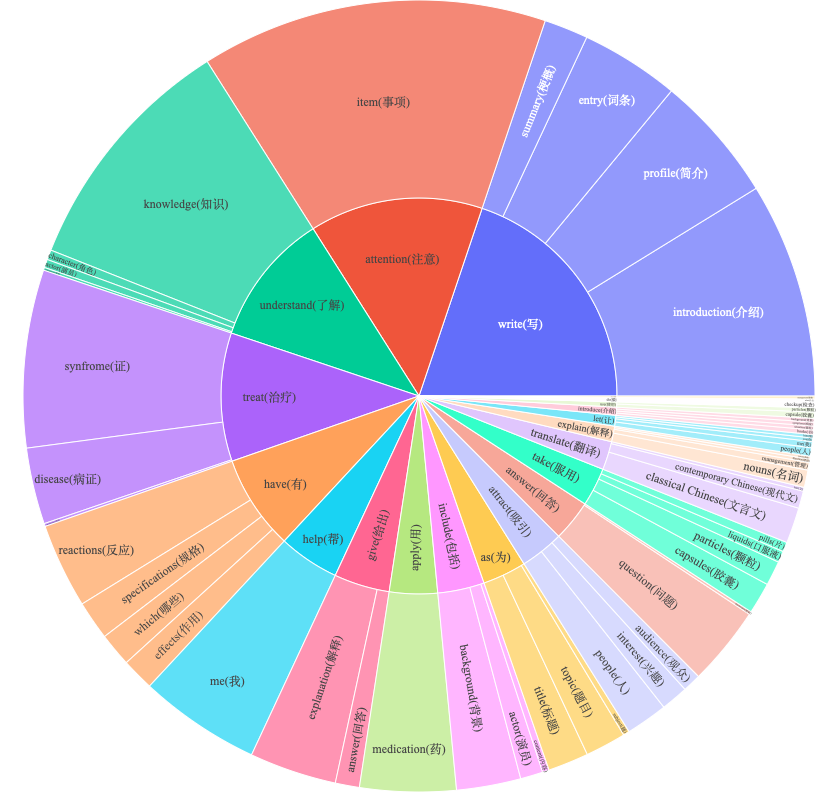
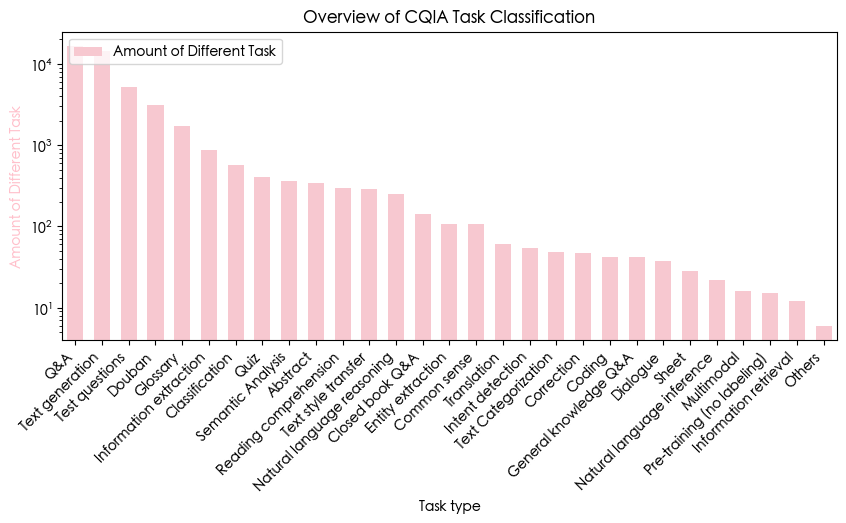
- 从 22 个中文互联网来源、覆盖四种数据类型:社交媒体、世界知识、NLP 任务和考试,精选 48,375 对指令-回答。
- 应用严格的人工筛选、重组与评审,确保质量与多样性。
- 通过在 CQIA 子集上微调语言模型,并结合模型评估与人工评估来评估数据来源的影响。
- 利用 SafetyBench 和人类偏好研究进行安全性与对齐分析。
- 对比不同任务(开放式问答、头脑风暴、分类、生成等)以及不同基础模型规模(Yi-6B、Yi-34B 等)的模型性能。
实验结果
研究问题
- RQ1中文指令数据的数据质量和来源如何影响在多样化任务上的 LLM 微调性能?
- RQ2哪些中文互联网数据源在微调模型中最有效提升指令遵循、知识和安全性?
- RQ3基础模型规模如何与训练数据质量相互作用,在性能与安全性方面产生影响?
- RQ4在评估中文指令微调模型时,人工评估与自动评估之间的关系是什么?
- RQ5哪种数据混合配置在各基准上实现最佳综合性能?
主要发现
- 用 CQIA 子集训练的模型在头脑风暴、生成和摘要等生成性任务中表现出色。
- 考试数据子集在 BELLE-Eval 任务中的平均表现最好(如 Extract、Math)。
- 在成对评估中,与基线相比,用 CQIA-Subset 训练的模型获得强烈的人类偏好。
- Yi-6B 在 CQIA-Subset 上的微调在某些基准上甚至优于更大模型,凸显数据质量对性能的影响超过模型规模。
- CQIA-Subset 模型在 SafetyBench 上获得较高分数,显示相对于基线具有良好的安全性属性。
- 人工评估显示与若干强基线相比,CQIA-Subset 在真实中文提示上的偏好度更高。
阅读本论文
在 Nubint 阅读器中打开原文,边读边就任意段落提问。
在 Nubint 中阅读本论文本解读由 AI 根据论文原文生成,引用前请核对原文。