
[论文解读] Combining Generative Artificial Intelligence (AI) and the Internet: Heading towards Evolution or Degradation?
该论文研究在训练生成式 AI 模型时,使用真实数据和 AI 生成数据混合是否会导致输出质量下降,并展示初步的扩散模型实验,表明可能的退化。
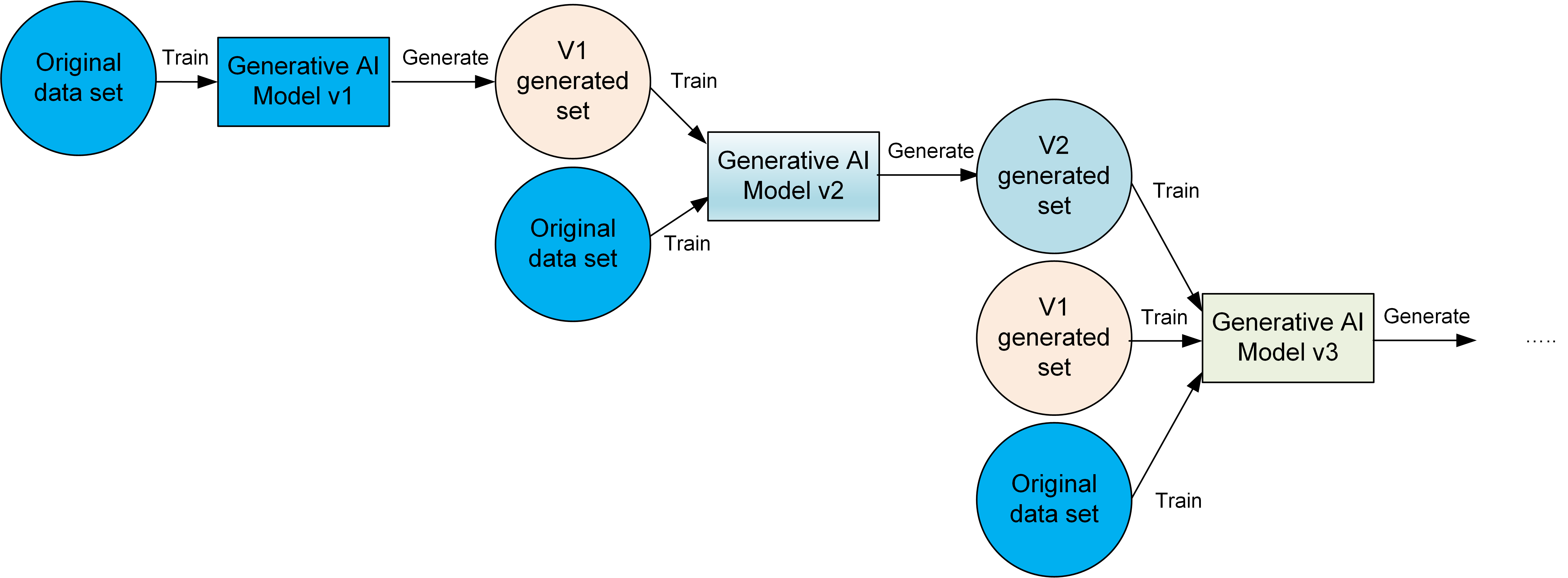
In the span of a few months, generative Artificial Intelligence (AI) tools that can generate realistic images or text have taken the Internet by storm, making them one of the technologies with fastest adoption ever. Some of these generative AI tools such as DALL-E, MidJourney, or ChatGPT have gained wide public notoriety. Interestingly, these tools are possible because of the massive amount of data (text and images) available on the Internet. The tools are trained on massive data sets that are scraped from Internet sites. And now, these generative AI tools are creating massive amounts of new data that are being fed into the Internet. Therefore, future versions of generative AI tools will be trained with Internet data that is a mix of original and AI-generated data. As time goes on, a mixture of original data and data generated by different versions of AI tools will populate the Internet. This raises a few intriguing questions: how will future versions of generative AI tools behave when trained on a mixture of real and AI generated data? Will they evolve with the new data sets or degenerate? Will evolution introduce biases in subsequent generations of generative AI tools? In this document, we explore these questions and report some very initial simulation results using a simple image-generation AI tool. These results suggest that the quality of the generated images degrades as more AI-generated data is used for training thus suggesting that generative AI may degenerate. Although these results are preliminary and cannot be generalised without further study, they serve to illustrate the potential issues of the interaction between generative AI and the Internet.
研究动机与目标
- 激发并探索回流到互联网的 AI 生成数据如何影响未来的生成式 AI 模型。
- 评估基于混合真实数据和 AI 生成数据训练的连续世代是否会在质量上退化。
- 识别影响演化中的 AI 系统退化和偏见的因素。
提出的方法
- 使用在 Oxford Flowers 数据集上训练的简单去噪扩散隐式模型 (DDIM) 产生合成图像。
- 通过用 AI 生成的图像(V1、V2、V3 等)来扩充训练数据,创建多代模型。
- 引入 alpha (α) 作为每代添加的 AI 生成数据与现有训练集的比例。
- 尝试不同的 α 值(0.5、1、2)以评估在各代中对图像质量的影响。
- 通过增加训练轮数(例如 80 轮)来测试缓解效果,以观察退化的影响。
实验结果
研究问题
- RQ1在真实图像与 AI 生成图像混合训练是否会导致扩散模型的后续世代出现退化?
- RQ2AI 生成数据的比例(α)如何随世代变化影响生成图像的质量?
- RQ3增加训练努力(如更多轮次)能否缓解或延迟退化?
主要发现
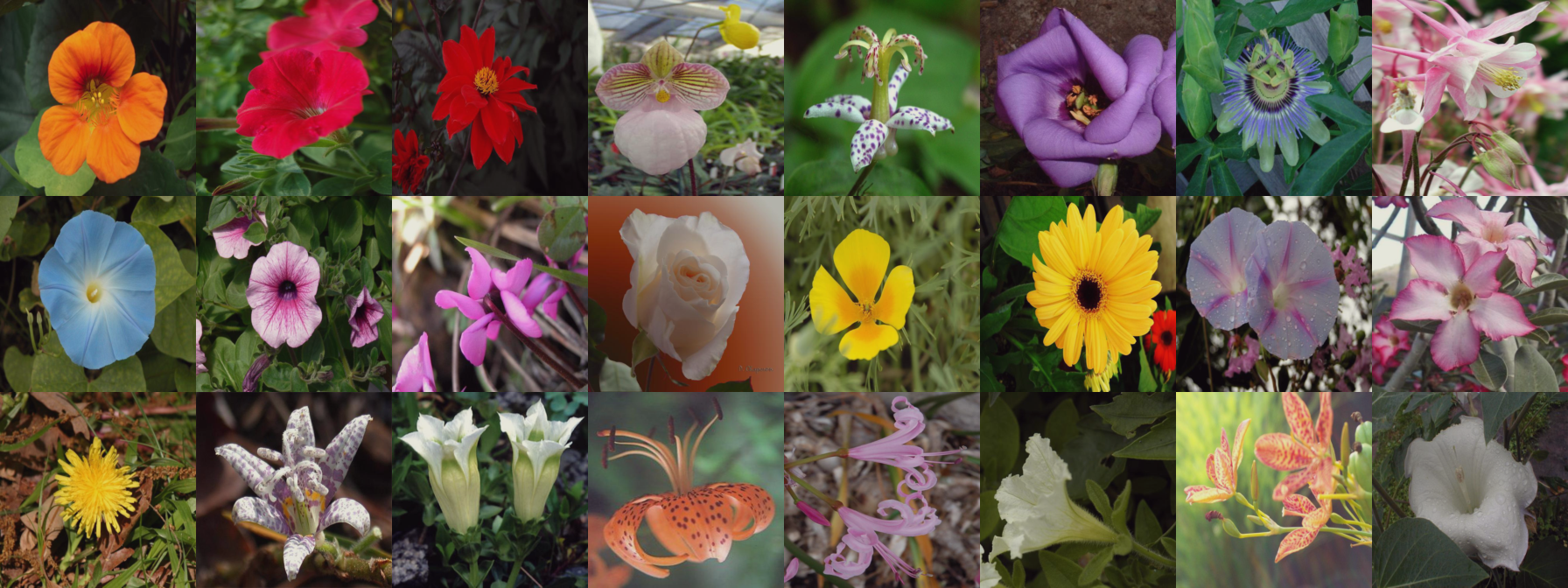
- 在以先前 AI 生成数据进行训练(α=1)时,每一代新生成的图像质量都会下降。
- 较低的 α(0.5)减少退化但无法消除;较高的 α(2)加速退化。
- 即使训练轮数更多,在实验中 α=1 仍然存在退化。
- 退化在使用 Oxford Flowers 数据集的简单扩散模型设置中得到证明。
阅读本论文
在 Nubint 阅读器中打开原文,边读边就任意段落提问。
在 Nubint 中阅读本论文本解读由 AI 根据论文原文生成,引用前请核对原文。