
[论文解读] Critical Infrastructure Protection: Generative AI, Challenges, and Opportunities
本文综述了关键基础设施保护(CIP)威胁、信任/隐私/弹性要求,以及将生成式 AI 和大语言模型(LLMs)整合到 CIP 生命周期中的行业应用与未来方向。
Critical National Infrastructure (CNI) encompasses a nation's essential assets that are fundamental to the operation of society and the economy, ensuring the provision of vital utilities such as energy, water, transportation, and communication. Nevertheless, growing cybersecurity threats targeting these infrastructures can potentially interfere with operations and seriously risk national security and public safety. In this paper, we examine the intricate issues raised by cybersecurity risks to vital infrastructure, highlighting these systems' vulnerability to different types of cyberattacks. We analyse the significance of trust, privacy, and resilience for Critical Infrastructure Protection (CIP), examining the diverse standards and regulations to manage these domains. We also scrutinise the co-analysis of safety and security, offering innovative approaches for their integration and emphasising the interdependence between these fields. Furthermore, we introduce a comprehensive method for CIP leveraging Generative AI and Large Language Models (LLMs), giving a tailored lifecycle and discussing specific applications across different critical infrastructure sectors. Lastly, we discuss potential future directions that promise to enhance the security and resilience of critical infrastructures. This paper proposes innovative strategies for CIP from evolving attacks and enhances comprehension of cybersecurity concerns related to critical infrastructure.
研究动机与目标
- 评估面临的关键国家基础设施(CNI)的网络安全与可靠性挑战,以及对综合保护的需求。
- 审查塑造 CIP 的信任、隐私与弹性要求及监管标准。
- 研究安全与安保(SSCA)的协同分析及其在 CIP 中的整合。
- 提出一套综合 CIP 方法,利用生成式 AI 和 LLM,具备定制的生命周期和面向行业的应用。
- 概述提升关键基础设施安全性与弹性的未来方向。
提出的方法
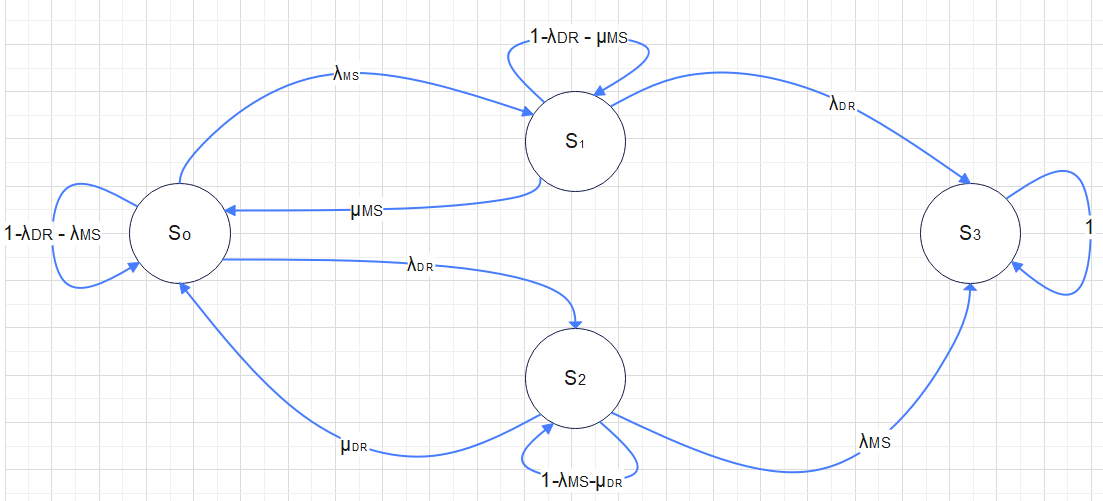
- 回顾用于 CNIs 的可靠性技术,包括 Weibull 分析、马尔可夫链和蒙特卡洛仿真。
- 分析对 CNIs 的网络安全威胁及其对可靠性与连续性的潜在影响。
- 讨论跨监管框架(如 GDPR、HIPAA、PDPA)的信任、隐私与弹性要求及其对 CIP 的影响。
- 探讨安全与安保(SSCA)的协同分析,并提出将安全与安保考虑整合的方法。
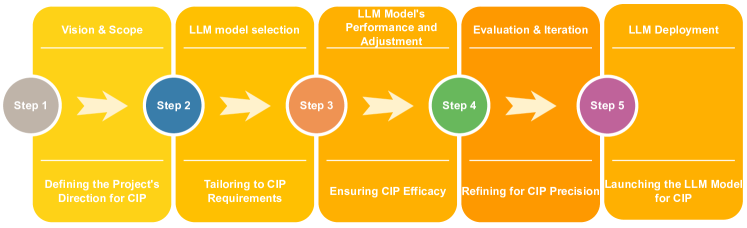
- 提出基于生成式 AI 和 LLM 的 CIP 方法,具有五步 LLM 生命周期(Vision & Scope, Model Selection, Performance & Adjustment, Evaluation & Iteration, Deployment)。
- 在 CIP 内演示 LLM 在能源网保护、自动化事件响应以及监管/合规文档中的应用。
实验结果
研究问题
- RQ1面临的对关键国家基础设施(CNIs)的网络安全与可靠性挑战有哪些,它们如何相互作用?
- RQ2信任、隐私与弹性要求如何塑造各区域的 CIP 标准与实践?
- RQ3如何定制并将生成式 AI 和 LLMs 集成到 CIP 生命周期中,以提高弹性和安全性?
- RQ4在能源、水务和交通等行业中,LLMs 在 CIP 的实际应用与局限性是什么?
- RQ5部署 AI 驅动的 CIP 解决方案还存在哪些未来方向和挑战?
主要发现
- CIP 可靠性分析受益于 Weibull、马尔可夫链和蒙特卡洛仿真,用于评估和改进维护与弹性。
- 恶意软件、勒索软件、供应链攻击、网络钓鱼、DDoS、SQL 注入和零日漏洞等网络威胁威胁 CNIs,且可能跨行业级联。
- 信任、隐私和弹性要求因地区和法规而异,需多层防御与合规策略。
- 安全与安保相互依存,整合 SSCA 可以改善关键行业的事故预防和事件响应。
- 五步 LLM 生命周期用于 CIP(Vision & Scope, Model Selection, Performance & Adjustment, Evaluation & Iteration, Deployment)实现 CIP 专用模型开发和部署。
- 应用包括能源电网的预测性威胁分析、交通领域的自动事件响应,以及水处理设施中的自动化政策/合规报告,同时认识到数据隐私和数据集构建等挑战。
阅读本论文
在 Nubint 阅读器中打开原文,边读边就任意段落提问。
在 Nubint 中阅读本论文本解读由 AI 根据论文原文生成,引用前请核对原文。