
[论文解读] Detecting music deepfakes is easy but actually hard
本论文提出首个基于波形生成模型的通用音乐深度伪造检测器,通过在频谱图块上使用卷积神经网络对真实与伪造音频进行分类,实现了99.8%的准确率。尽管性能优异,研究仍强调准确性之外的关键局限,包括鲁棒性、校准性、可解释性以及对未见生成器的泛化能力。
In the face of a new era of generative models, the detection of artificially generated content has become a matter of utmost importance. The ability to create credible minute-long music deepfakes in a few seconds on user-friendly platforms poses a real threat of fraud on streaming services and unfair competition to human artists. This paper demonstrates the possibility (and surprising ease) of training classifiers on datasets comprising real audio and fake reconstructions, achieving a convincing accuracy of 99.8%. To our knowledge, this marks the first publication of a music deepfake detector, a tool that will help in the regulation of music forgery. Nevertheless, informed by decades of literature on forgery detection in other fields, we stress that a good test score is not the end of the story. We step back from the straightforward ML framework and expose many facets that could be problematic with such a deployed detector: calibration, robustness to audio manipulation, generalisation to unseen models, interpretability and possibility for recourse. This second part acts as a position for future research steps in the field and a caveat to a flourishing market of fake content checkers.
研究动机与目标
- 开发首个针对现代波形生成模型(如MusicGen、MusicLM和Moûsai)生成的音乐深度伪造的通用检测器。
- 证明利用标准卷积神经网络在频谱图表示上进行检测在技术上是可行的。
- 挑战仅凭高测试准确率即可确保深度伪造检测器可靠部署的假设。
- 揭示关键局限,包括对音频操作的鲁棒性、校准性、可解释性以及对未见生成器的泛化能力。
- 倡导超越技术检测的更广泛伦理与监管框架,警示人工智能生成内容监管中的技术万能主义倾向。
提出的方法
- 在真实与伪造音乐样本中提取的频谱图块上训练卷积神经网络,以分类音频真实性。
- 采用两阶段框架:首先通过自编码器(如使用神经编解码器Encodec或Soundstream)将原始音频压缩为潜在表征,然后检测重建波形中的异常。
- 对梅尔频谱图应用逐块分类,以定位检测信号,红色表示伪造,蓝色表示真实音频。
- 采用标准深度学习流程并结合数据增强以提升泛化能力,尽管未明确测试对抗鲁棒性。
- 聚焦于波形生成模型,而非符号化或MIDI基模型,以契合当前用户友好的平台。
- 使用公开可用的模型与数据集进行检测器的训练与评估,代码已发布于GitHub。
实验结果
研究问题
- RQ1机器学习模型能否在技术上实现对现代波形生成模型生成的音乐深度伪造的近乎完美检测准确率?
- RQ2高检测准确率在多大程度上掩盖了诸如校准性差或对音频操作缺乏鲁棒性等深层缺陷?
- RQ3检测器在未见的音乐生成模型上泛化能力如何,这些模型在训练阶段未被接触过?
- RQ4对于缺乏可解释性或透明度的深度伪造检测器,其部署在伦理与实践层面有何影响?
- RQ5仅靠技术检测能否解决音乐伪造的更广泛问题,还是需要监管与政策干预?
主要发现
- 所提出的检测器在真实与伪造音乐样本的基准数据集上实现了99.8%的测试准确率,证明了当前方法在技术上可行且相对简单。
- 该模型成功识别出神经声码器产生的伪影,例如频谱图中的棋盘状图案,这些可作为合成来源的可靠指标。
- 尽管准确率极高,检测器对简单的音频操作(如音高变换和时间拉伸)表现出显著脆弱性,表明其鲁棒性较差。
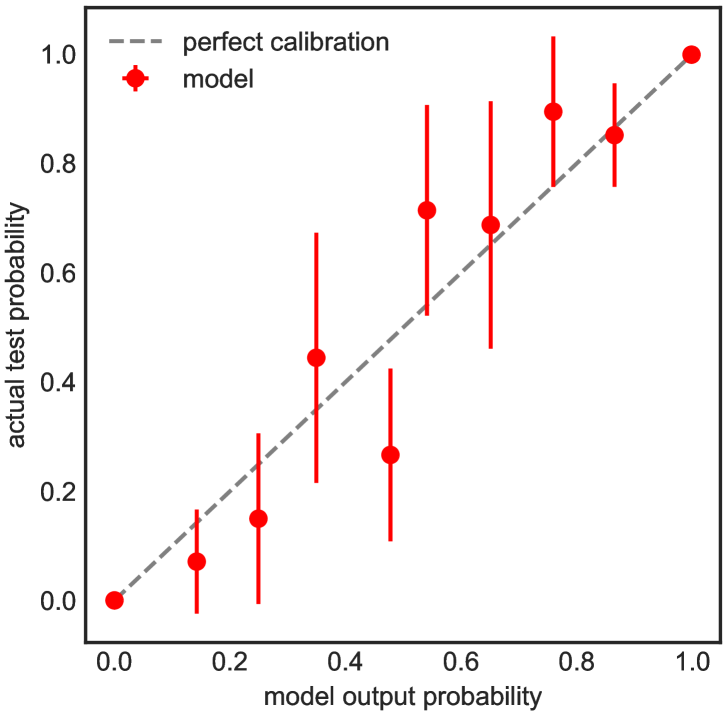
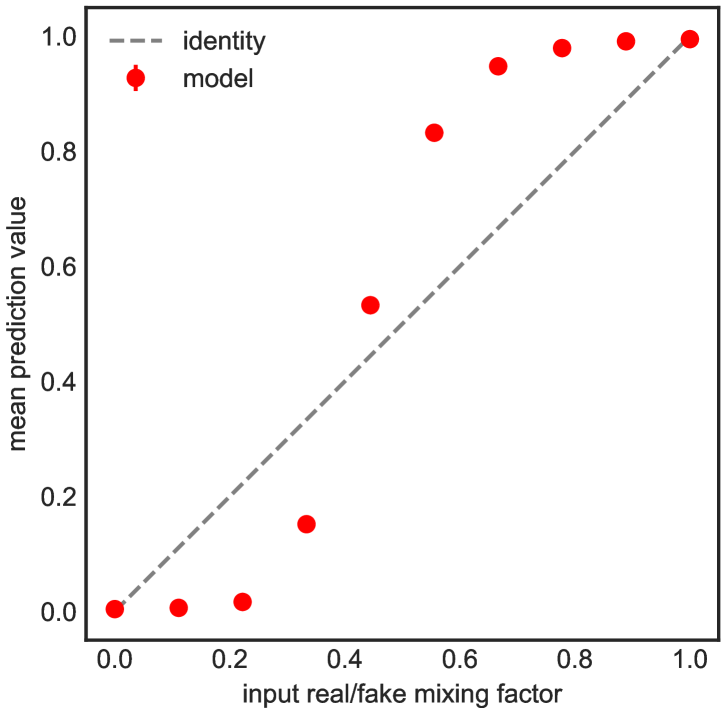
- 模型校准性差,预测置信度分数未能可靠反映真实伪造概率,严重削弱了其在部署中的可信度。
- 对未见生成器的泛化能力有限,表明在某一模型上训练的检测器在测试其他同类模型时会失效,即使属于同一模型家族。
- 可解释性极低,缺乏向用户解释预测结果或提供申诉机制的明确途径,引发公平性与问责制方面的担忧。
阅读本论文
在 Nubint 阅读器中打开原文,边读边就任意段落提问。
在 Nubint 中阅读本论文本解读由 AI 根据论文原文生成,引用前请核对原文。