
[论文解读] Evolving from Single-modal to Multi-modal Facial Deepfake Detection: Progress and Challenges
本综述首次全面回顾了面部深度伪造检测技术,其发展从单模态演进至多模态方法,涵盖生成模型(VAEs、GANs、扩散模型)以及跨音频-视觉和文本-视觉模态的检测技术。该综述提出了一套统一的分类体系,突出展示了基于Transformer和视觉-语言模型的最新进展,并指出了在泛化能力、多模态对齐、实时处理以及大语言模型(LLM)集成方面面临的关键挑战,为构建稳健、面向未来的检测系统提供了路线图。
As synthetic media, including video, audio, and text, become increasingly indistinguishable from real content, the risks of misinformation, identity fraud, and social manipulation escalate. This survey traces the evolution of deepfake detection from early single-modal methods to sophisticated multi-modal approaches that integrate audio-visual and text-visual cues. We present a structured taxonomy of detection techniques and analyze the transition from GAN-based to diffusion model-driven deepfakes, which introduce new challenges due to their heightened realism and robustness against detection. Unlike prior surveys that primarily focus on single-modal detection or earlier deepfake techniques, this work provides the most comprehensive study to date, encompassing the latest advancements in multi-modal deepfake detection, generalization challenges, proactive defense mechanisms, and emerging datasets specifically designed to support new interpretability and reasoning tasks. We further explore the role of Vision-Language Models (VLMs) and Multimodal Large Language Models (MLLMs) in strengthening detection robustness against increasingly sophisticated deepfake attacks. By systematically categorizing existing methods and identifying emerging research directions, this survey serves as a foundation for future advancements in combating AI-generated facial forgeries. A curated list of all related papers can be found at \href{https://github.com/qiqitao77/Comprehensive-Advances-in-Deepfake-Detection-Spanning-Diverse-Modalities}{https://github.com/qiqitao77/Awesome-Comprehensive-Deepfake-Detection}.
研究动机与目标
- 应对由先进人工智能生成的、以人脸为中心的超真实深度伪造所造成的日益严重的社会威胁。
- 系统性地对单模态与多模态深度伪造检测技术进行分类与比较,涵盖不断演进的生成模型。
- 识别当前检测方法在泛化能力、鲁棒性以及实时性能方面的关键缺陷。
- 探索大语言模型(LLMs)在提升可解释性与多模态一致性检测方面的潜力。
- 为未来深度伪造检测研究提供全面、最新的路线图,重点关注实际部署与可靠性。
提出的方法
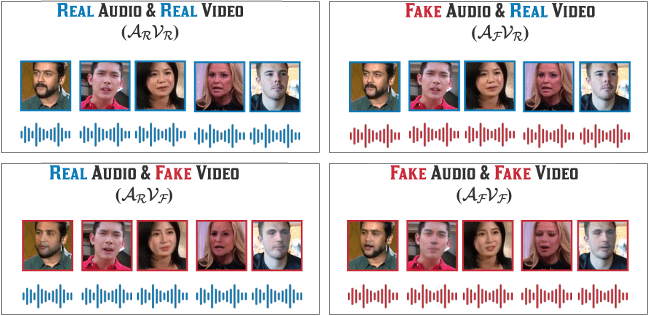
- 提出一种新颖的深度伪造检测方法分类体系,按模态(视频、音频、文本)、生成模型(VAE、GAN、扩散模型)以及融合策略(早期、晚期、带注意力的早期融合)进行分类。
- 回顾并分类三种层次的检测技术:输入级(数据增强、预处理)、特征级(时空特征、面部关键点、音视频对齐)以及学习级(Transformer、视觉-语言模型、自监督学习)。
- 在训练中引入破坏感知约束,以提升对对抗性攻击和扰动的鲁棒性。
- 采用集成方法融合多种模型,提升检测准确率并增强对对抗样本的抵抗力。
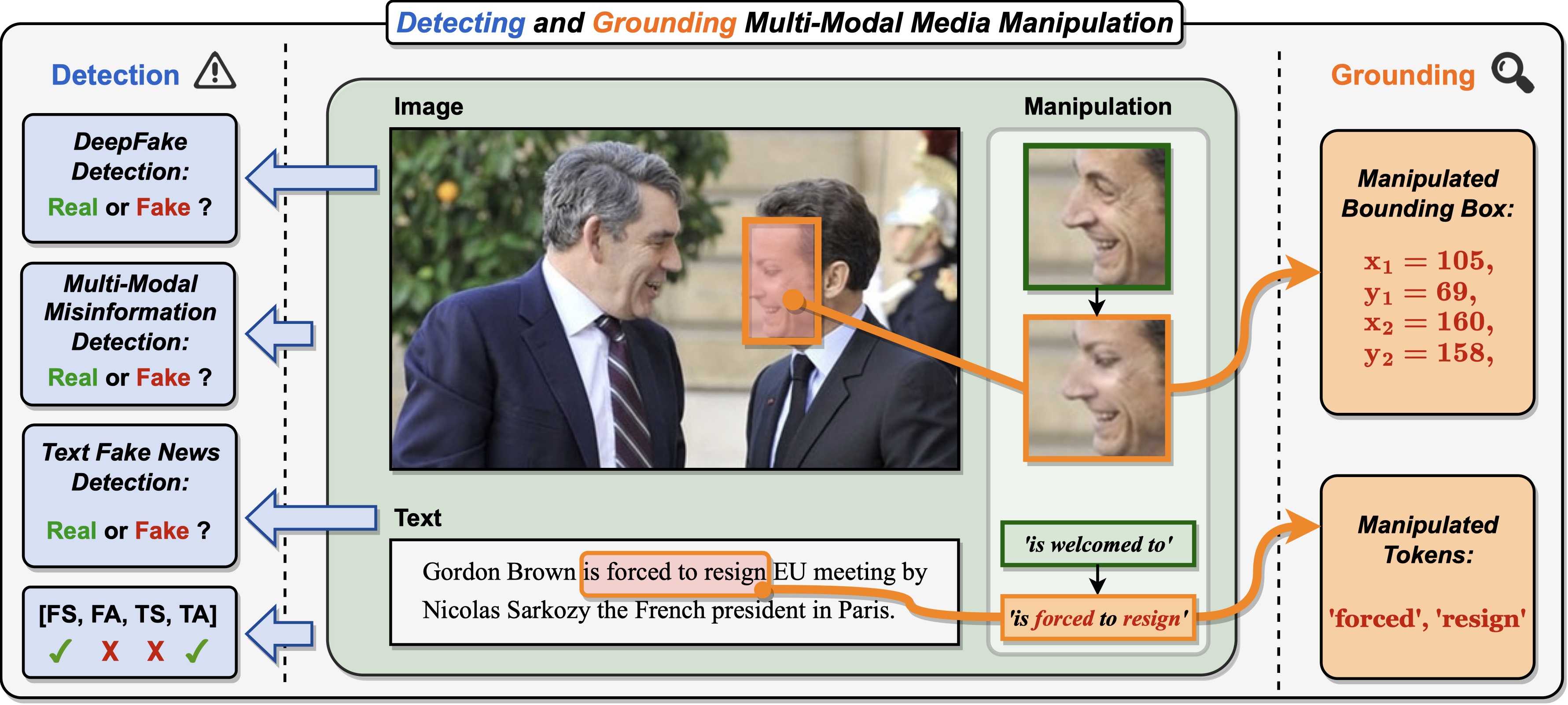
- 评估多种多模态融合策略,如基于注意力的融合与跨模态注意力,以对齐并利用视频、音频与文本之间的相关性。
- 集成大语言模型(LLMs)以分析语言不一致性(例如唇形同步错误),并生成检测决策的可解释性说明。
实验结果
研究问题
- RQ1面对日益逼真的换脸与重演内容,深度伪造检测方法如何从单模态演进至多模态检测?
- RQ2基于VAEs、GANs与扩散模型的检测模型在关键技术差异与性能权衡方面有何不同?
- RQ3多模态融合技术如何有效对齐并利用视频、音频与文本之间的相关性,以提升检测准确率?
- RQ4在未见数据集、不同类型的篡改方式以及后处理技术下,实现检测器泛化能力与鲁棒性的主要挑战是什么?
- RQ5大语言模型(LLMs)如何被用于提升可解释性,并检测多模态深度伪造中的细微语言-视觉不一致性?
主要发现
- 本综述首次全面覆盖了以人脸为中心的深度伪造检测在单模态与多模态设置下的情况,包括基于扩散模型的新型生成方法。
- 多模态检测方法,特别是采用基于注意力的融合与跨模态对齐的方法,在检测复杂的音视频与图文深度伪造方面显著优于单模态基线模型。
- 集成模型与破坏感知训练可提升对对抗攻击与分布偏移的鲁棒性,增强实际部署中的适用性。
- 当前检测模型在不同数据集与篡改类型之间泛化能力较差,其性能在领域偏移或后处理下显著下降。
- 大语言模型(LLMs)在检测语言-视觉不一致性及生成可解释性说明方面展现出强大潜力,有助于提升检测系统的可信度与透明度。
- 由于多模态处理的高计算成本,实时深度伪造检测仍是主要挑战,凸显了对高效架构与流式推理技术的迫切需求。
阅读本论文
在 Nubint 阅读器中打开原文,边读边就任意段落提问。
在 Nubint 中阅读本论文本解读由 AI 根据论文原文生成,引用前请核对原文。