
[论文解读] FAIR Enough: How Can We Develop and Assess a FAIR-Compliant Dataset for Large Language Models' Training?
该论文提出一个框架,将 FAIR 数据原则整合到 LLM 训练生命周期,并通过一个案例研究进行验证,即创建一个符合 FAIR 的偏见检测数据集,包含对模型及去偏效果的详细评估。
The rapid evolution of Large Language Models (LLMs) highlights the necessity for ethical considerations and data integrity in AI development, particularly emphasizing the role of FAIR (Findable, Accessible, Interoperable, Reusable) data principles. While these principles are crucial for ethical data stewardship, their specific application in the context of LLM training data remains an under-explored area. This research gap is the focus of our study, which begins with an examination of existing literature to underline the importance of FAIR principles in managing data for LLM training. Building upon this, we propose a novel framework designed to integrate FAIR principles into the LLM development lifecycle. A contribution of our work is the development of a comprehensive checklist intended to guide researchers and developers in applying FAIR data principles consistently across the model development process. The utility and effectiveness of our framework are validated through a case study on creating a FAIR-compliant dataset aimed at detecting and mitigating biases in LLMs. We present this framework to the community as a tool to foster the creation of technologically advanced, ethically grounded, and socially responsible AI models.
研究动机与目标
- 利用 FAIR 数据原则改善在 LLM 训练中的伦理数据治理。
- 开发一个生命周期框架,在 LLM 开发的每个阶段嵌入 FAIR 原则。
- 创建并验证一个旨在识别和减轻 LLM 偏见的符合 FAIR 的数据集。
- 提供一个实际的检查表和实现 FAIR 用于 LLM 数据集的工具参考。
提出的方法
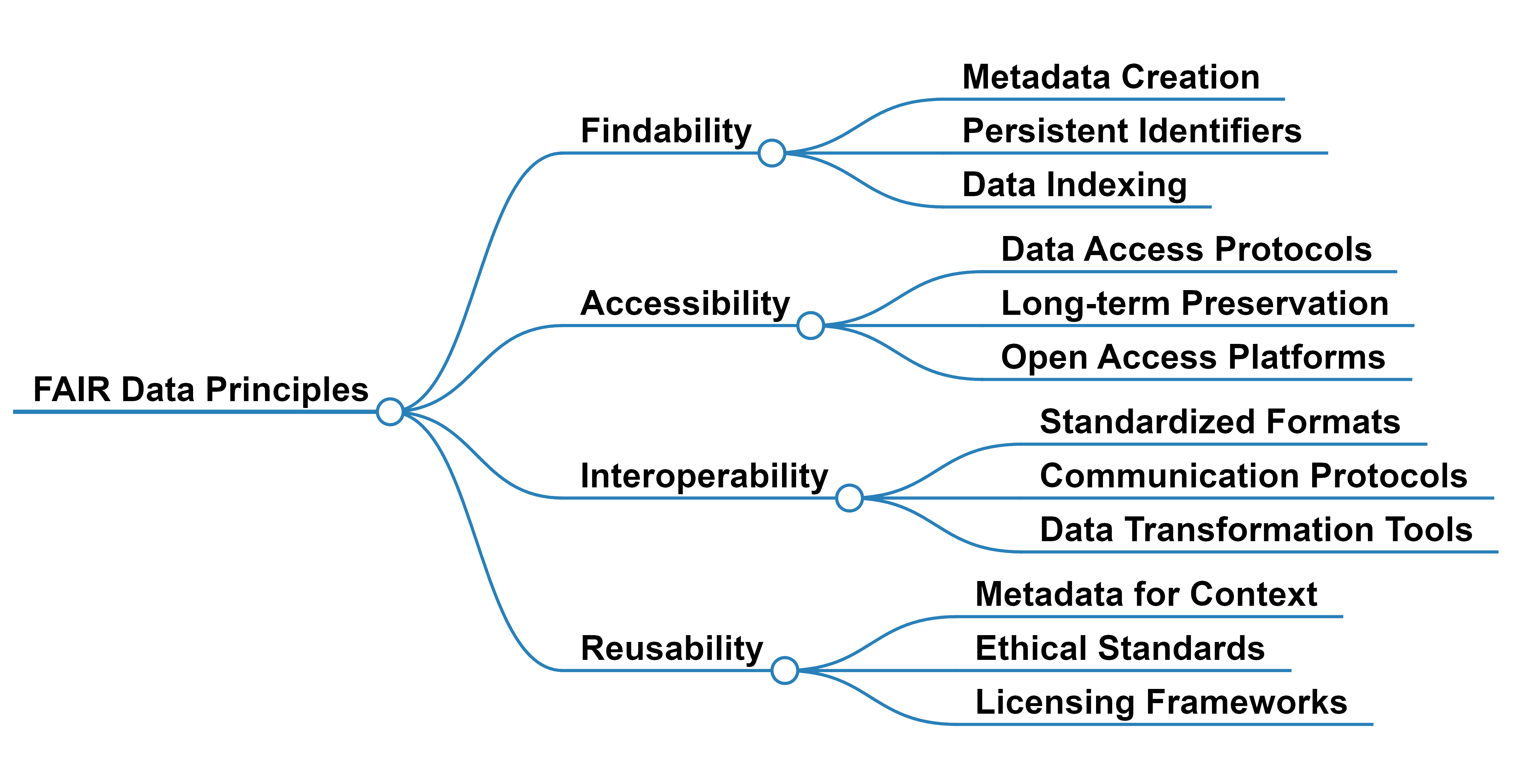
- 回顾 FAIR 数据原则及其与 AI 与 LLM 的相关性。
- 提出一个生命周期框架,将 FAIR 原则整合到 LLM 的数据收集、模型训练、评估和部署中。
- 从多样化来源构建一个案例研究数据集,以检测和减少语言偏见,具备元数据和互操作性特征。
- 在偏见敏感任务上使用标准格式和模型卡对多种 LLM 进行训练和评估。
- 使用去偏后评估评估去偏对偏见降低与任务性能之间权衡的影响。
实验结果
研究问题
- RQ1如何在 LLM 训练生命周期中嵌入 FAIR 数据原则?
- RQ2对偏见检测和缓解,符合 FAIR 的数据集能带来哪些实际好处?
- RQ3去偏对多项任务的模型性能有何影响?
- RQ4如何对数据集和模型进行文档化以最大化可发现性、可访问性、互操作性与可重复使用性?
主要发现
- 提出了一个与 FAIR 对齐的全面框架和一个供 LLM 数据管理使用的实际检查表。
- 一个案例研究展示了创建一个符合 FAIR 的偏见聚焦数据集,具备元数据、互操作性格式和长期可访问性。
- 在 FAIR 数据集上训练的模型在多项任务上显示出较高的初始性能(表 5 中提供了示例指标)。
- 使用 LLama 2B 及相关流程去偏可以降低有害性和偏见分数,但可能会降低去偏数据上的某些分类性能,显示了一个权衡。
- 研究强调透明度、模型卡和公开可用性,以支持模型和数据集的可重复性和再利用性。
阅读本论文
在 Nubint 阅读器中打开原文,边读边就任意段落提问。
在 Nubint 中阅读本论文本解读由 AI 根据论文原文生成,引用前请核对原文。