
[论文解读] Fuzzing BusyBox: Leveraging LLM and Crash Reuse for Embedded Bug Unearthing
论文介绍两种技术——用于对 BusyBox 进行模糊测试的 LLM 生成种子输入,以及在变体之间的崩溃重用——以改进嵌入式 Linux 实用程序的漏洞发现,并在包括最新版本的 BusyBox 目标上对其进行了验证。
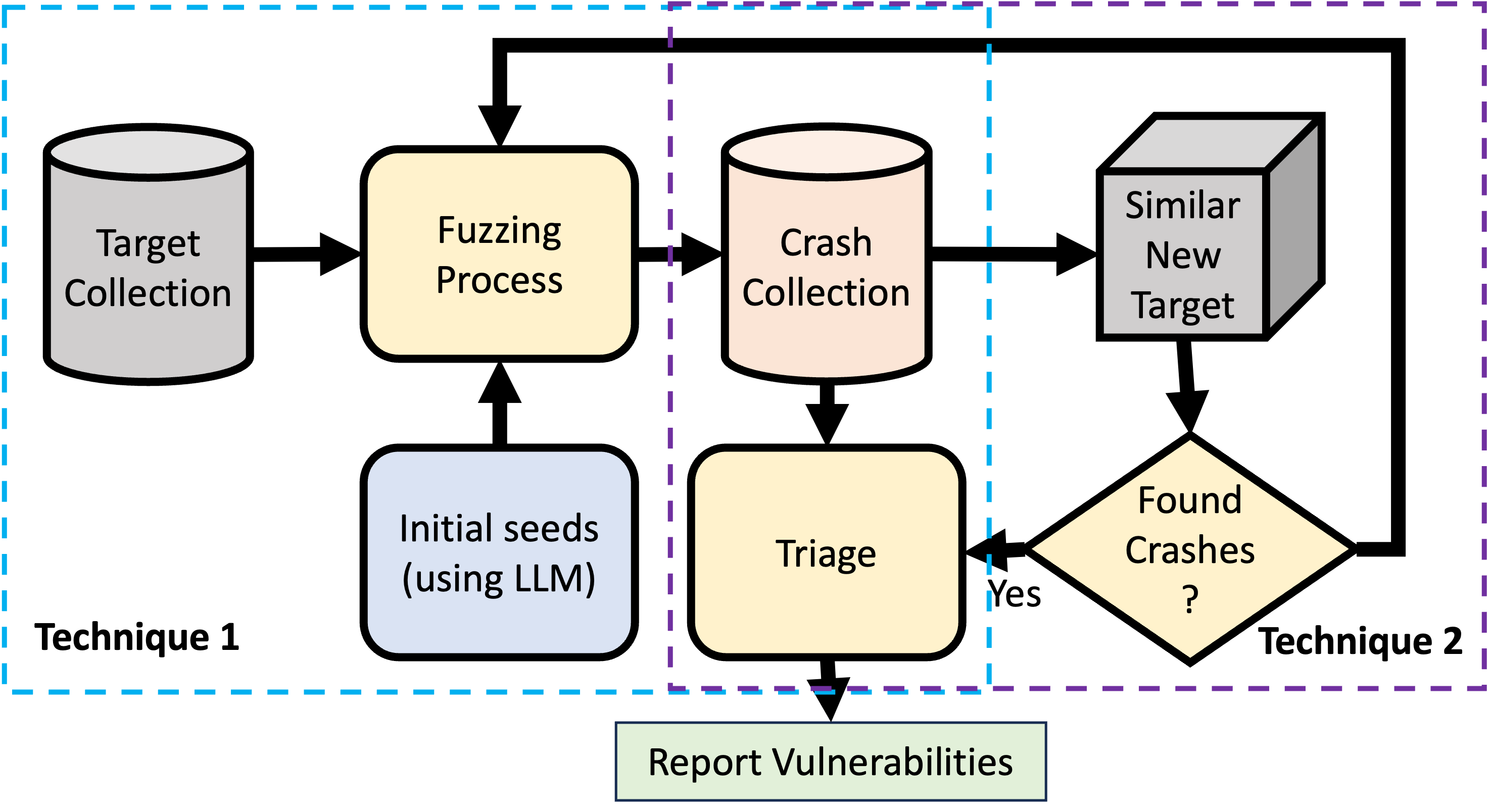
BusyBox, an open-source software bundling over 300 essential Linux commands into a single executable, is ubiquitous in Linux-based embedded devices. Vulnerabilities in BusyBox can have far-reaching consequences, affecting a wide array of devices. This research, driven by the extensive use of BusyBox, delved into its analysis. The study revealed the prevalence of older BusyBox versions in real-world embedded products, prompting us to conduct fuzz testing on BusyBox. Fuzzing, a pivotal software testing method, aims to induce crashes that are subsequently scrutinized to uncover vulnerabilities. Within this study, we introduce two techniques to fortify software testing. The first technique enhances fuzzing by leveraging Large Language Models (LLM) to generate target-specific initial seeds. Our study showed a substantial increase in crashes when using LLM-generated initial seeds, highlighting the potential of LLM to efficiently tackle the typically labor-intensive task of generating target-specific initial seeds. The second technique involves repurposing previously acquired crash data from similar fuzzed targets before initiating fuzzing on a new target. This approach streamlines the time-consuming fuzz testing process by providing crash data directly to the new target before commencing fuzzing. We successfully identified crashes in the latest BusyBox target without conducting traditional fuzzing, emphasizing the effectiveness of LLM and crash reuse techniques in enhancing software testing and improving vulnerability detection in embedded systems. Additionally, manual triaging was performed to identify the nature of crashes in the latest BusyBox.
研究动机与目标
- 识别 BusyBox 变体在真实世界嵌入式设备中的普及程度。
- 通过使用 LLM 生成的初始种子提高对 BusyBox 的模糊测试效果。
- 通过在程序变体之间重用崩溃来减少发现漏洞的时间。
- 在 BusyBox 目标上演示该方法并展示相对于传统模糊测试的效率提升。
- 突出嵌入式系统中开源软件组件的实际意义。
提出的方法
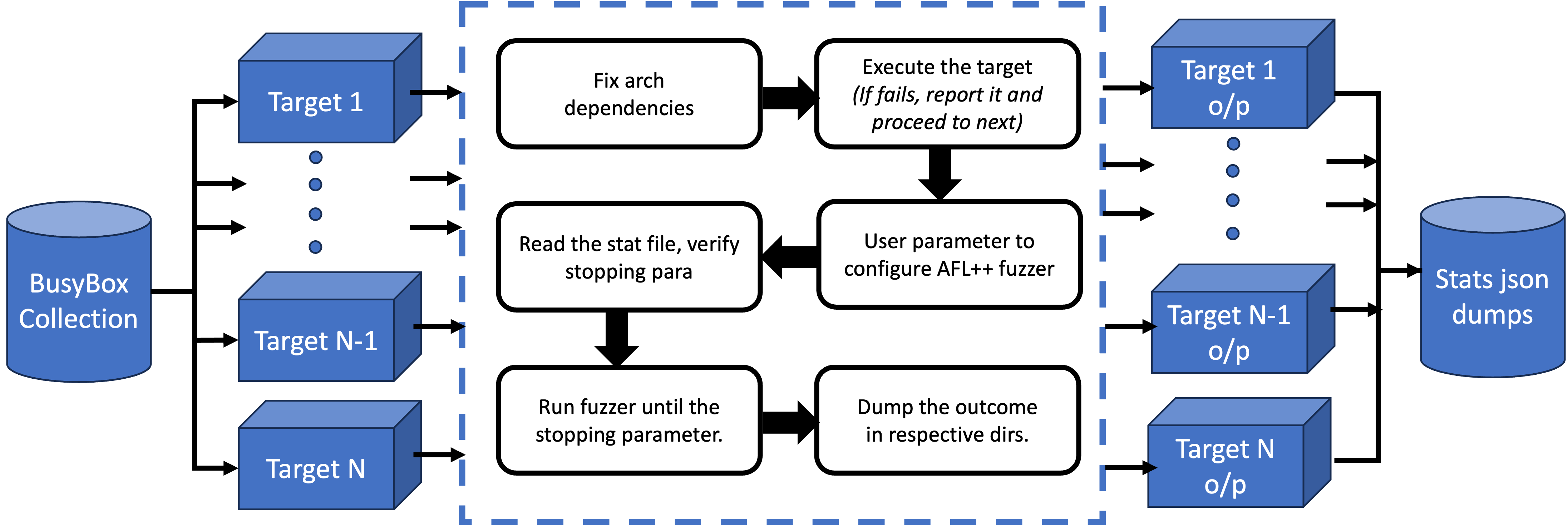
- 使用 AFL++ 的 QEMU 模式对 BusyBox 二进制文件进行模糊测试,而不改动源码/编译。
- 基于目标 applet 语法,使用 GPT-4 生成针对目标的初始种子以进行模糊测试。
- 在模糊测试前用 afl-cmin 最小化 LLM 生成的种子语料库。
- 通过将新目标与来自相关变体的先前收集崩溃输入数据库进行测试来引入崩溃重用。
- 使用 Ghidra、GDB、AFL-Triage 等工具进行手动崩溃分流,以确定崩溃来源和 CVE 相关性。
- 在真实固件数据集中的 BusyBox 版本上进行评估,并分析最新 BusyBox 版本中的崩溃。
实验结果
研究问题
- RQ1RQ1:现实世界嵌入式设备中 BusyBox 变体的普及程度如何,变体间的漏洞是否能高效识别?
- RQ2RQ2:如何利用大模型(LLMs)提升对像 BusyBox 这样的嵌入式 Linux 实用程序的模糊测试?
- RQ3RQ3:崩溃重用策略在测试新的 BusyBox 目标时是否能节省时间和资源?
- RQ4RQ4:LLM 种子生成和崩溃重用的组合是否能在不进行全量模糊测试的情况下发现最新 BusyBox 版本中的崩溃?
主要发现
- 现实世界嵌入式设备中仍存在较旧的 BusyBox 版本,强调需要更新。
- 与随机种子相比,LLM 生成的初始种子显著增加崩溃数量。
- 崩溃重用使得使用现有崩溃数据测试新目标成为可能,降低模糊测试时间和资源。
- 最新 BusyBox 版本(本研究时)显示出通过崩溃重用和定向模糊测试发现的崩溃。
- 手动分流揭示崩溃特征以及问题是来自 BusyBox 还是依赖项,验证了该方法。
- 该工作流程在 BusyBox 的 applets 上演示,其中包括 awk,并扩展到如 dc、man 和 ash 等其他 applets。
阅读本论文
在 Nubint 阅读器中打开原文,边读边就任意段落提问。
在 Nubint 中阅读本论文本解读由 AI 根据论文原文生成,引用前请核对原文。