
[论文解读] Give Us the Facts: Enhancing Large Language Models with Knowledge Graphs for Fact-aware Language Modeling
对知识图谱增强的语言模型(KGPLMs)的综合调查,并提出开发知识图谱增强的大型语言模型(KGLLMs)以提高LLM的事实回忆和推理能力的提案。
Recently, ChatGPT, a representative large language model (LLM), has gained considerable attention due to its powerful emergent abilities. Some researchers suggest that LLMs could potentially replace structured knowledge bases like knowledge graphs (KGs) and function as parameterized knowledge bases. However, while LLMs are proficient at learning probabilistic language patterns based on large corpus and engaging in conversations with humans, they, like previous smaller pre-trained language models (PLMs), still have difficulty in recalling facts while generating knowledge-grounded contents. To overcome these limitations, researchers have proposed enhancing data-driven PLMs with knowledge-based KGs to incorporate explicit factual knowledge into PLMs, thus improving their performance to generate texts requiring factual knowledge and providing more informed responses to user queries. This paper reviews the studies on enhancing PLMs with KGs, detailing existing knowledge graph enhanced pre-trained language models (KGPLMs) as well as their applications. Inspired by existing studies on KGPLM, this paper proposes to enhance LLMs with KGs by developing knowledge graph-enhanced large language models (KGLLMs). KGLLM provides a solution to enhance LLMs' factual reasoning ability, opening up new avenues for LLM research.
研究动机与目标
- 调查知识图谱增强的预训练语言模型(KGPLMs)及其训练阶段的全貌。
- 分析知识图谱如何解决PLMs和LLMs中的事实回忆、推理与幻觉问题。
- 提出知识图谱增强的大型语言模型(KGLLMs)的概念,以提升LLMs中的知识建模。
- 总结将知识图谱与LLMs集成的挑战、收益与未来方向。
提出的方法
- 对KGPLM方法及应用进行系统性文献综述。
- 将KGPLMs分为训练前、训练中和训练后增强进行分类。
- 讨论知识注入技术与知识噪声处理。
- 分析KG在事实回忆、推理和可解释性方面的益处。
- 提出KGLLM作为提升LLM事实知识与推理能力的方向。
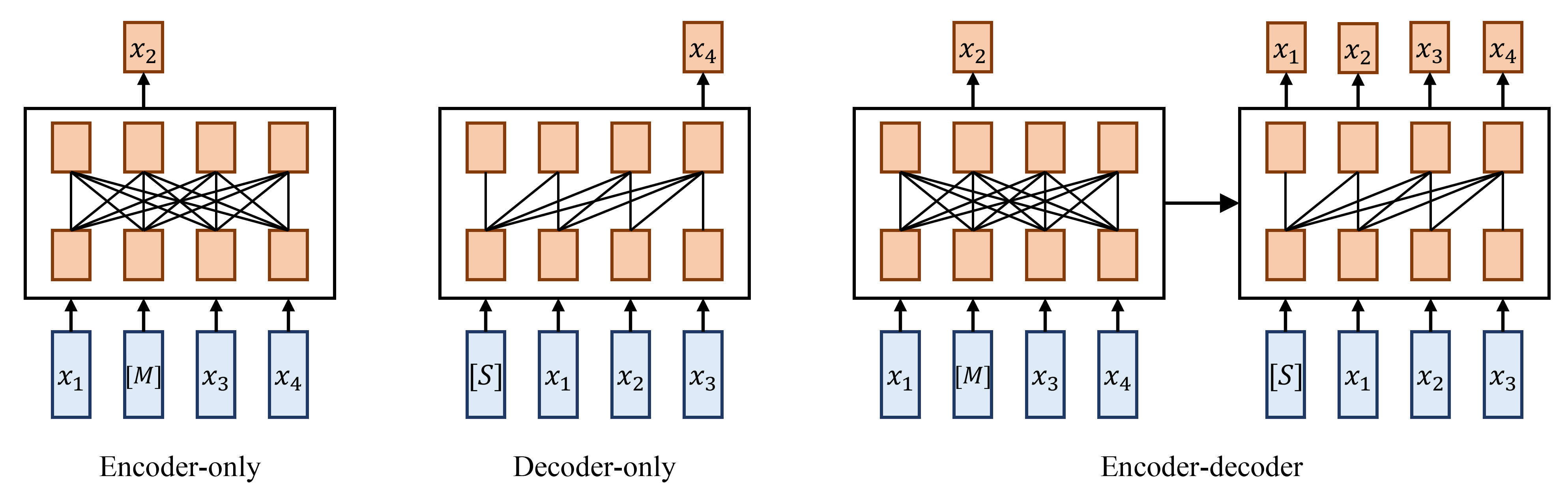
实验结果
研究问题
- RQ1构建和使用知识图谱在提升LLM的事实知识与推理能力方面仍然必要吗?
- RQ2如何将知识图谱与LLMs有效地整合,以提升知识回忆并减少幻觉?
- RQ3KGPLMs的主要类别与技术有哪些,它们如何为KGLLMs的发展提供指导?
- RQ4知识图谱驱动的对大型语言模型的增强有哪些未来方向和挑战?
主要发现
- KGPLMs根据KG参与的阶段进行分类:训练前、训练中、训练后增强。
- 知识整合策略包括扩展输入结构、丰富信息、数据生成,以及为训练前方法优化掩码。
- 训练中方法增加知识编码器、知识融合层、适配器,或修改预训练任务以更好地使文本与KG结构对齐。
- 训练后方法通过带有知识的微调PLMs,或生成基于知识的提示来引导生成。
- 知识图谱通过使知识来源显式化,能够缓解幻觉、改善事实依据并提升可解释性。
- 本文倡导KGLLMs——以KG增强的大型语言模型,以推进LLMs中的事实知识建模和推理。

阅读本论文
在 Nubint 阅读器中打开原文,边读边就任意段落提问。
在 Nubint 中阅读本论文本解读由 AI 根据论文原文生成,引用前请核对原文。