
[论文解读] Identifying Fabricated Networks within Authorship-for-Sale Enterprises
本文提出了一种基于网络的检测方法,用于识别以出售署名为目的的论文工厂企业,通过建模伪造合著网络的社会结构,此类网络表现出较低的合著者重复率和非自然的合作模式。该方法识别出与已知论文工厂活动相关的统计上显著的网络指纹,成功检测出37%的论文,这些论文已被文本分析工具(如Problematic Paper Screener)标记为可疑。
Fabricated papers do not just need text, images, and data, they also require a fabricated or partially fabricated network of authors. Most `authors' on a fabricated paper have not been associated with the research, but rather are added through a transaction. This lack of deeper connection means that there is a low likelihood that co-authors on fabricated papers will ever appear together on the same paper more than once. This paper constructs a model that encodes some of the key characteristics of this activity in an `authorship-for-sale' network with the aim to create a robust method to detect this type of activity. A characteristic network fingerprint arises from this model that provides a robust statistical approach to the detection of paper-mill networks. The model suggested in this paper detects networks that have a statistically significant overlap with other approaches that principally rely on textual analysis for the detection of fraudulent papers. Researchers connected to networks identified using the methodology outlined in this paper are shown to be connected with 37% of papers identified through the tortured-phrase and clay-feet methods deployed in the Problematic Paper Screener website. Finally, methods to limit the expansion and propagation of these networks is discussed both in technological and social terms.
研究动机与目标
- 为应对论文工厂日益增长的威胁,这些工厂不仅伪造内容,还伪造合著网络以增强可信度。
- 识别作者合作网络中的结构性异常,以揭示交易性署名而非真实的研究合作。
- 开发一种统计上稳健的方法,独立于文本或图像分析,检测论文工厂网络。
- 通过网络层面的检测,支持出版商和机构识别受污染的期刊和处于风险中的研究人员。
- 倡导机构和技术创新,以限制伪造作者档案的创建,并防止长期声誉损害。
提出的方法
- 基于多个出版物中合著者配对的低重复率,构建署名出售网络的模型。
- 使用网络分析检测与自然合著模式存在显著偏离的特征,例如稀疏且不重复的合作关系。
- 应用指纹识别方法,识别伪造作者网络独有的网络级特征。
- 将模型与已知的论文工厂网络及既有的检测工具(如Problematic Paper Screener)进行验证。
- 利用共享的科学计量数据集,实现在尊重GDPR限制条件下的跨机构分析。
- 提出与ORCID及出版商层面数据共享的整合,以阻止虚假作者档案的创建。
实验结果
研究问题
- RQ1哪些结构性特征可将伪造的合著网络与真实的研究合作区分开?
- RQ2作者署名的网络级模式能否在不依赖文本或图像信号的情况下,独立用于检测署名出售企业?
- RQ3所检测到的网络指纹与基于文本异常的现有论文工厂检测方法在多大程度上一致?
- RQ4基于网络的检测在多大程度上可降低论文工厂建立可信作者档案的成功率?
- RQ5哪些机构和技术创新能有效限制伪造作者网络的扩展?
主要发现
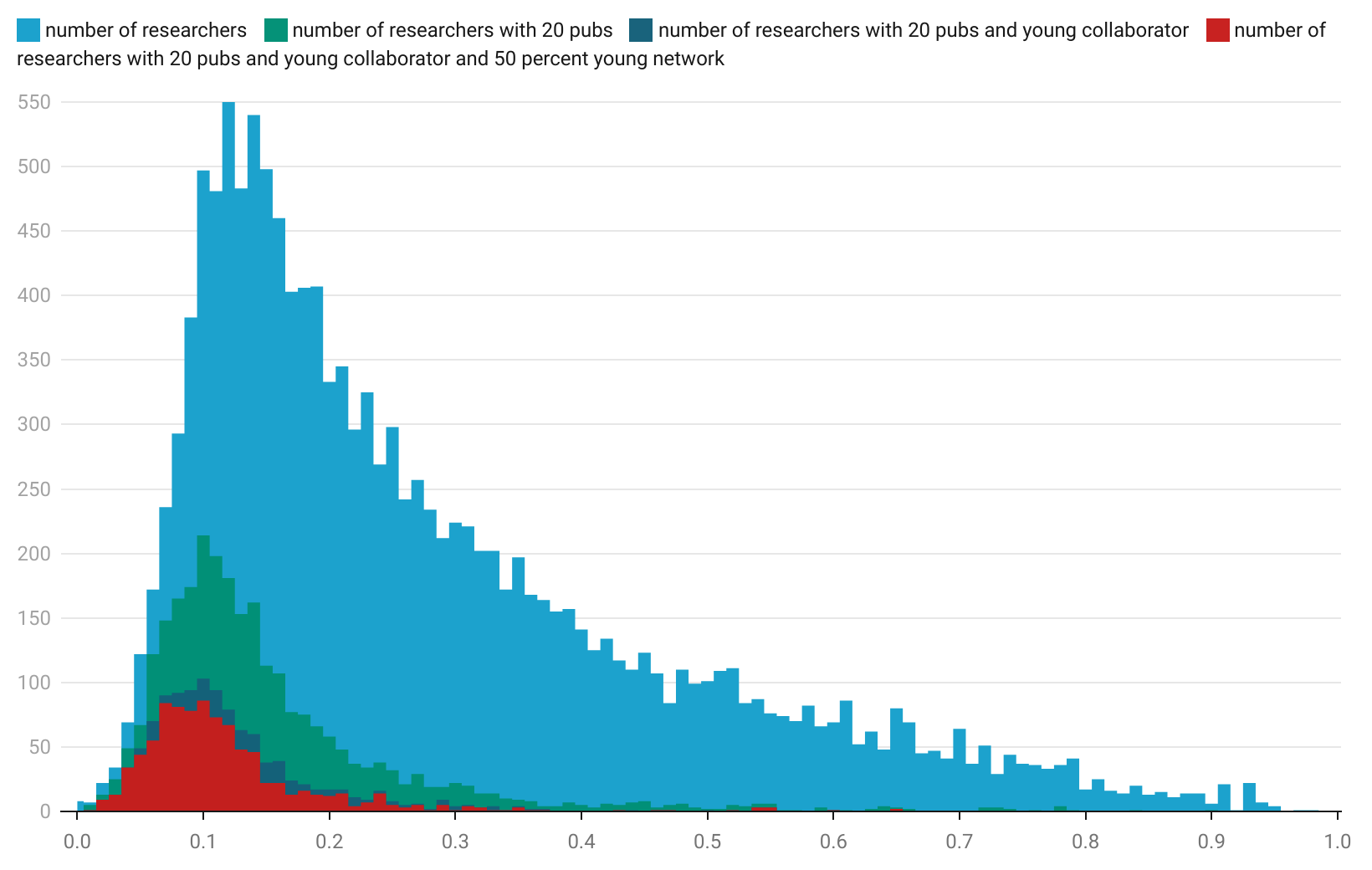
- 所提出的方法检测出37%的论文,这些论文已被Problematic Paper Screener的扭曲短语和破绽分析方法标记为可疑,表明与文本检测方法具有高度一致性。
- 伪造的合著网络表现出合著者配对重复率显著偏低,形成一种可被可靠建模的独特指纹。
- 即使生成式AI使基于文本和图像的检测日益困难,该方法仍保持有效性,为检测保留了关键路径。
- 该模型可识别出参与署名出售网络的高风险研究人员和期刊,从而实现主动干预。
- 机构合作与共享的科学计量数据对追踪和破坏伪造作者网络的增长至关重要。
- 尽管存在对抗性适应的担忧,开放共享检测方法和匿名化数据对于推进集体学术诚信至关重要。
阅读本论文
在 Nubint 阅读器中打开原文,边读边就任意段落提问。
在 Nubint 中阅读本论文本解读由 AI 根据论文原文生成,引用前请核对原文。