
[论文解读] IDQL: Implicit Q-Learning as an Actor-Critic Method with Diffusion Policies
本论文将 IQL 重新解释为带有广义 critic 损失的 actor-critic 方法,引入基于扩散的策略提取(IDQL),并在离线 RL 基准测试中展示最先进的结果,具有对超参数鲁棒性。
Effective offline RL methods require properly handling out-of-distribution actions. Implicit Q-learning (IQL) addresses this by training a Q-function using only dataset actions through a modified Bellman backup. However, it is unclear which policy actually attains the values represented by this implicitly trained Q-function. In this paper, we reinterpret IQL as an actor-critic method by generalizing the critic objective and connecting it to a behavior-regularized implicit actor. This generalization shows how the induced actor balances reward maximization and divergence from the behavior policy, with the specific loss choice determining the nature of this tradeoff. Notably, this actor can exhibit complex and multimodal characteristics, suggesting issues with the conditional Gaussian actor fit with advantage weighted regression (AWR) used in prior methods. Instead, we propose using samples from a diffusion parameterized behavior policy and weights computed from the critic to then importance sampled our intended policy. We introduce Implicit Diffusion Q-learning (IDQL), combining our general IQL critic with the policy extraction method. IDQL maintains the ease of implementation of IQL while outperforming prior offline RL methods and demonstrating robustness to hyperparameters. Code is available at https://github.com/philippe-eecs/IDQL.
研究动机与目标
- 提供对 IQL critic 能诱导的策略的更深层次概念理解。
- 将 IQL critic 损失泛化为映射到显式的隐式 actor。
- 提出一种基于扩散的、表达性强的策略提取方法,以逼近隐式 actor。
- 展示在不同领域中强劲的离线 RL 性能以及对超参数的鲁棒性。
- 展示 IDQL 的在线微调有效性和实际适用性。
提出的方法
- 将 IQL critic 目标泛化为对 Q(s,a)-V(s) 的任意凸损失 f。
- 将隐式 actor 表示为 pi_imp(a|s) 与 mu(a|s) 的乘积权重 w(s,a) 成正比,该权重来自 f 与 Q-V 的推导。
- 推导不同的 f(期望值、分位数、指数)通过定理 4.1 诱导不同的隐式策略。
- 提出通过从扩散式行为模型 mu_phi(a|s) 进行采样并用 critic 推导的权重重新加权来近似 pi_imp 的策略提取。
- 使用扩散模型(DDPM 目标)来建模行为策略,并进行基于重加权的采样以实现策略提取。
- 提供一个实际的在线微调路径和解耦的 critic 训练机制,保持高效。
实验结果
研究问题
- RQ1在不同凸损失 f 下,IQL critic 隐含表示的策略是什么?
- RQ2如何提取一个显式策略,忠实近似 critic 学习所诱导的隐式 actor?
- RQ3基于扩散的策略提取是否在表示复杂隐式 actor 时优于单峰高斯提取?
- RQ4相较于其他最先进方法,IDQL 在标准离线 RL 基准上的表现如何,尤其是在有限超参数调优时?
- RQ5策略提取架构(扩散)对鲁棒性和在线微调性能有何影响?
主要发现
- IDQL 在 D4RL 基准上超越了此前的离线 RL 方法,具备强劲的 antmaze 结果和有竞争力的机动性表现。
- 在每个领域仅限制一个超参数调优时,IDQL 仍保持强劲表现,常常超过如 IQL 和基于扩散的基线等方法。
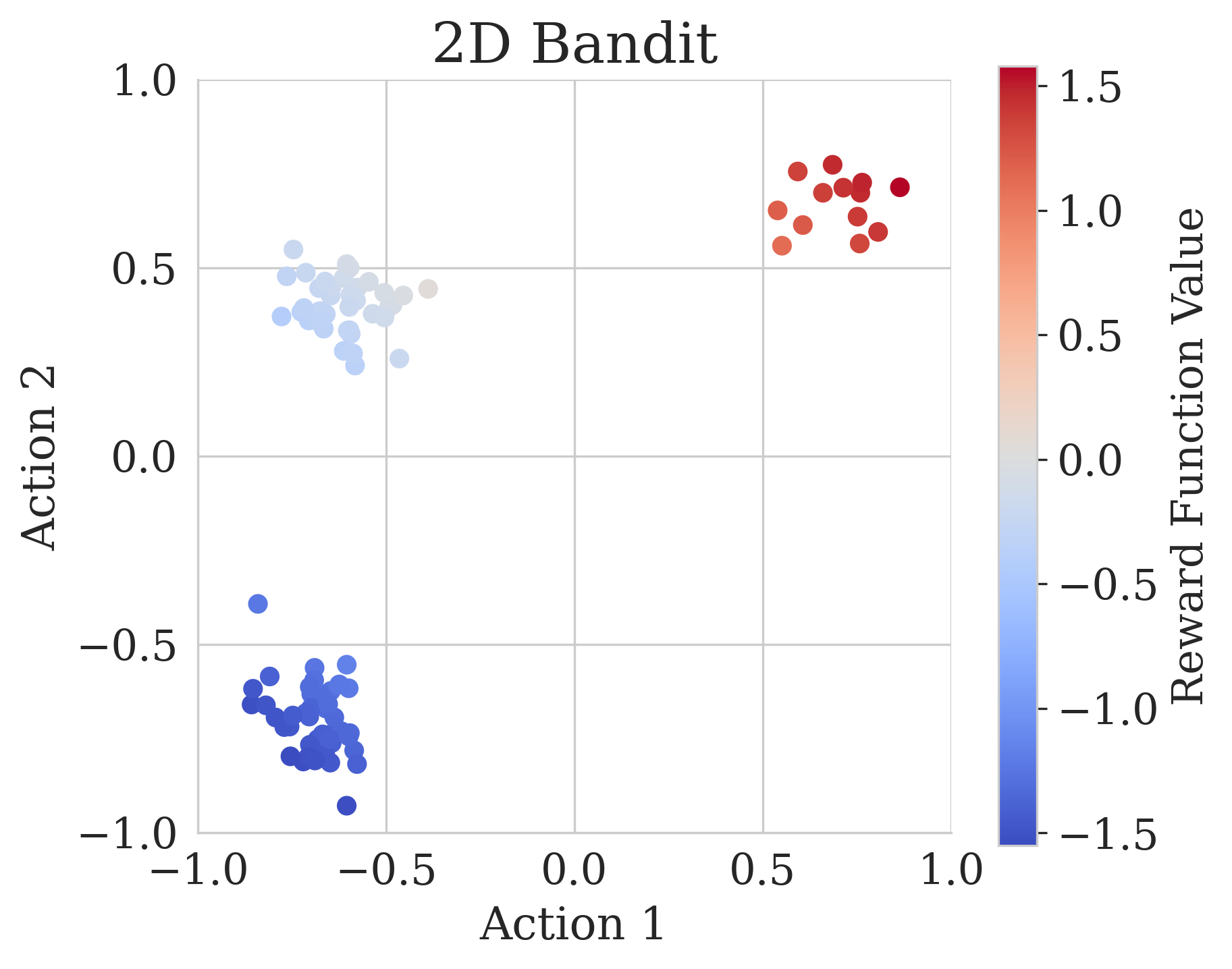
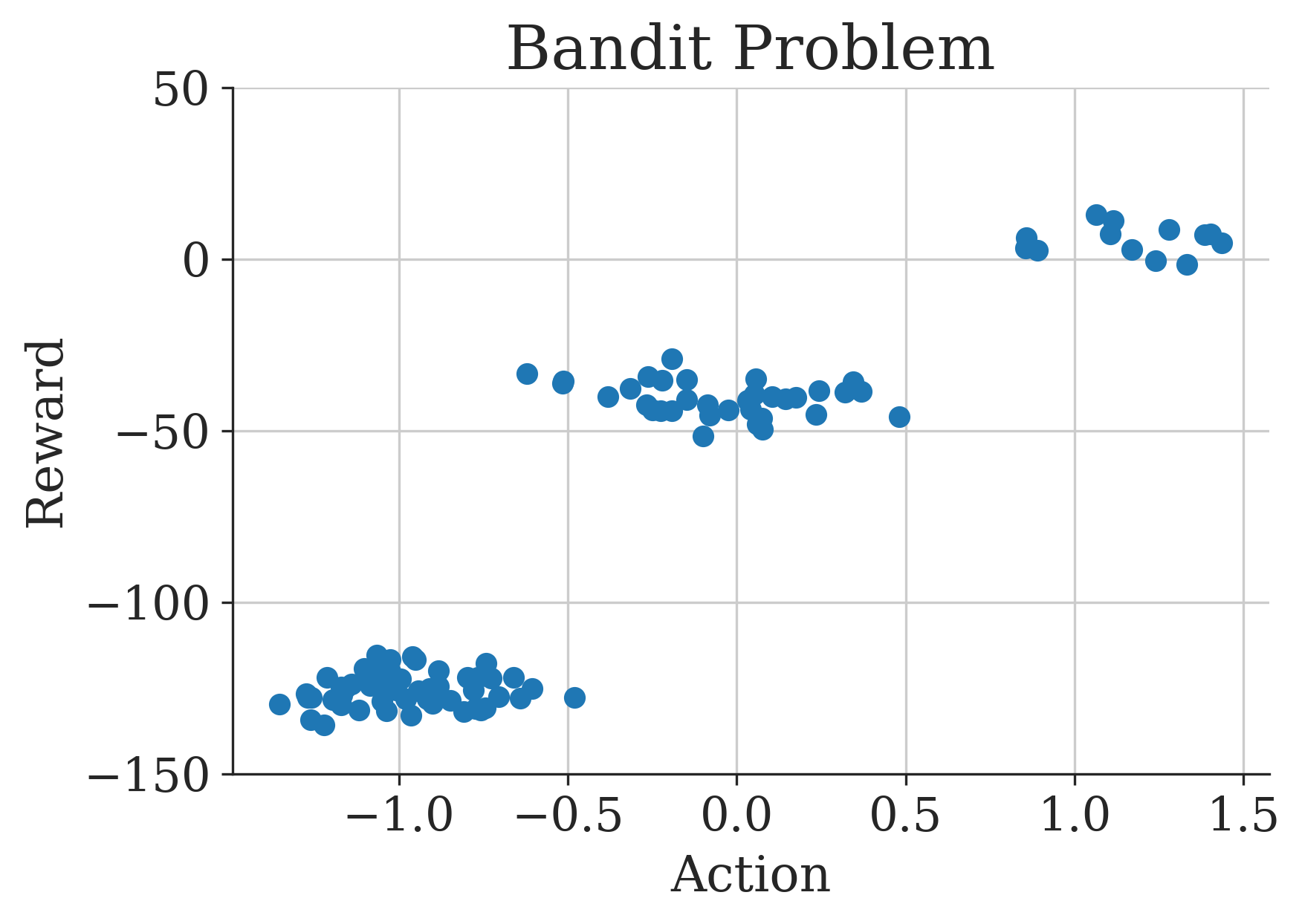
- IQL 诱导的隐式 actor 可能是复杂的或多峰的,使得单峰高斯提取不足。
- 基于扩散的策略提取能够准确近似隐式 actor,并提高对超参数的鲁棒性。
- 在线微调结果显示 IDQL 相较于此前方法有显著提升,尤其在挑战性较大的 antmaze 任务中。
- 架构选择(如扩散的 LN_Resnet)显著降低对样本数量 N 的敏感性并提升样本质量。
阅读本论文
在 Nubint 阅读器中打开原文,边读边就任意段落提问。
在 Nubint 中阅读本论文本解读由 AI 根据论文原文生成,引用前请核对原文。