
[论文解读] Incorporating time-dependent demand patterns in the optimal location of capacitated charging stations
本文提出了一种多时段、时变的混合整数线性规划模型,用于在城市区域最优地定位容量受限的电动汽车充电站,明确考虑了充电需求在空间和时间上的变化,以及不同类型的充电桩。结果表明,忽略时变需求会导致大量未满足需求,所提出的模型在满足高峰时段需求方面显著优于单时段方法。
A massive use of electric vehicles is nowadays considered to be a key element of a sustainable transportation policy and the availability of charging stations is a crucial issue for their extensive use. Charging stations in an urban area have to be deployed in such a way that they can satisfy a demand that may dramatically vary in space and time. In this paper we present an optimization model for the location of charging stations that takes into account the main specific features of the problem, in particular the different charging technologies, and their associated service time, and the fact that the demand depends on space and time. To measure the importance of incorporating the time dependence in an optimization model, we also present a simpler model that extends a classical location model and does not include the temporal dimension. A worst-case analysis and extensive computational experiments show that ignoring the temporal dimension of the problem may lead to a substantial amount of unsatisfied demand.
研究动机与目标
- 解决在需求随时间和地点显著变化的城市区域部署电动汽车(EV)充电站的挑战。
- 将不同充电技术(慢充、快充、超充)及其相关服务时间纳入选址决策过程。
- 将多时段、时变模型与经典单时段模型进行比较,以评估忽略时间需求动态的影响。
- 在确保高峰需求时段高服务水平的前提下,平衡基础设施成本与客户出行距离。
- 证明时间无关模型可能在高峰时段无法满足关键需求,导致大量未满足需求。
提出的方法
- 构建一个混合整数线性规划(MILP)模型(MP-CFL),明确建模一天内多个时间段的需求数量变化。
- 将城市区域建模为一个由区域组成的网络,每个区域以节点表示,具有随时间变化的电动汽车充电需求。
- 纳入三种类型的充电桩(Level 1、2 和 3),其充电时间与容量各不相同,影响服务可用性和客户等待时间。
- 使用单时段模型(SP-CFL)作为基准,该模型将需求按时间聚合,忽略时间波动。
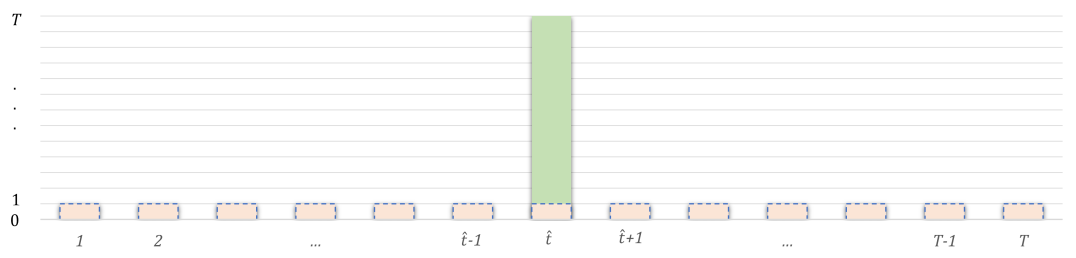
- 通过最坏情况分析,理论证明忽略时间依赖性时未满足需求的风险。
- 在真实世界和合成实例上进行大量计算实验,比较两种模型在解质量与计算开销方面的表现。
实验结果
研究问题
- RQ1忽略电动汽车充电需求的时间依赖性,如何影响充电站设施选址模型的性能?
- RQ2在多大程度上,纳入时间需求变化能提升满足高峰时段需求的能力?
- RQ3在建模时间依赖需求时,基础设施成本与客户出行距离之间的权衡关系如何?
- RQ4不同充电技术(慢充、快充、超充)如何影响最优选址与容量决策?
- RQ5时变模型的计算复杂度与单时段模型相比如何?
主要发现
- 忽略电动汽车充电需求的时间维度会导致大量未满足需求,尤其是在高峰时段,最坏情况分析已证明这一点。
- 多时段模型(MP-CFL)在满足需求方面始终优于单时段模型(SP-CFL),特别是在交通高峰期。
- 当需求加权参数取最大值(λ = 0.9999)时,MP-CFL模型的平均最优性间隙为0.00%,表明解的质量很高。
- MP-CFL的计算时间仅比SP-CFL略高,最高λ下平均CPU时间分别为1,528.78秒与2,152.78秒。
- SP-CFL模型在λ值较高时,最优性间隙逐渐增大,最坏情况下达到6.85%,表明解的可靠性较差。
- 即使在高需求波动下,MP-CFL模型仍保持较低的最优性间隙(平均0.11%),显示出解质量的鲁棒性与可靠性。
阅读本论文
在 Nubint 阅读器中打开原文,边读边就任意段落提问。
在 Nubint 中阅读本论文本解读由 AI 根据论文原文生成,引用前请核对原文。