
[论文解读] Large Language Models Meet User Interfaces: The Case of Provisioning Feedback
本文提出 Feedback Copilot,一种用户友好的应用程序,通过 API 利用大型语言模型(LLMs)大规模生成个性化、基于评分量规的反馈。通过从对话式界面转向结构化、教学法引导的工具,该方法降低了提示工程的复杂性,提升了反馈生成的伦理性和可靠性,并在 338 份学生作业中展示了生成高质量反馈的强大有效性。
Incorporating Generative AI (GenAI) and Large Language Models (LLMs) in education can enhance teaching efficiency and enrich student learning. Current LLM usage involves conversational user interfaces (CUIs) for tasks like generating materials or providing feedback. However, this presents challenges including the need for educator expertise in AI and CUIs, ethical concerns with high-stakes decisions, and privacy risks. CUIs also struggle with complex tasks. To address these, we propose transitioning from CUIs to user-friendly applications leveraging LLMs via API calls. We present a framework for ethically incorporating GenAI into educational tools and demonstrate its application in our tool, Feedback Copilot, which provides personalized feedback on student assignments. Our evaluation shows the effectiveness of this approach, with implications for GenAI researchers, educators, and technologists. This work charts a course for the future of GenAI in education.
研究动机与目标
- 解决 LLM 在教育领域中对话式用户界面(CUIs)的局限性,包括提示工程复杂性、伦理风险以及在复杂任务中的幻觉问题。
- 开发一种以人为本、教学法合理的生成式人工智能(GenAI)教育工具整合框架,确保伦理且有效的使用。
- 设计并评估一种新型应用 Feedback Copilot,使教师能够通过结构化界面使用 LLM 大规模生成高质量的定性反馈。
- 评估在真实教育环境中 LLM 生成反馈的实际可行性及其感知质量,特别是与人工反馈的对比。
提出的方法
- 提出一种伦理和教学法上负责任的生成式人工智能(GenAI)教育工具整合框架,强调以人为本的设计和结构化交互。
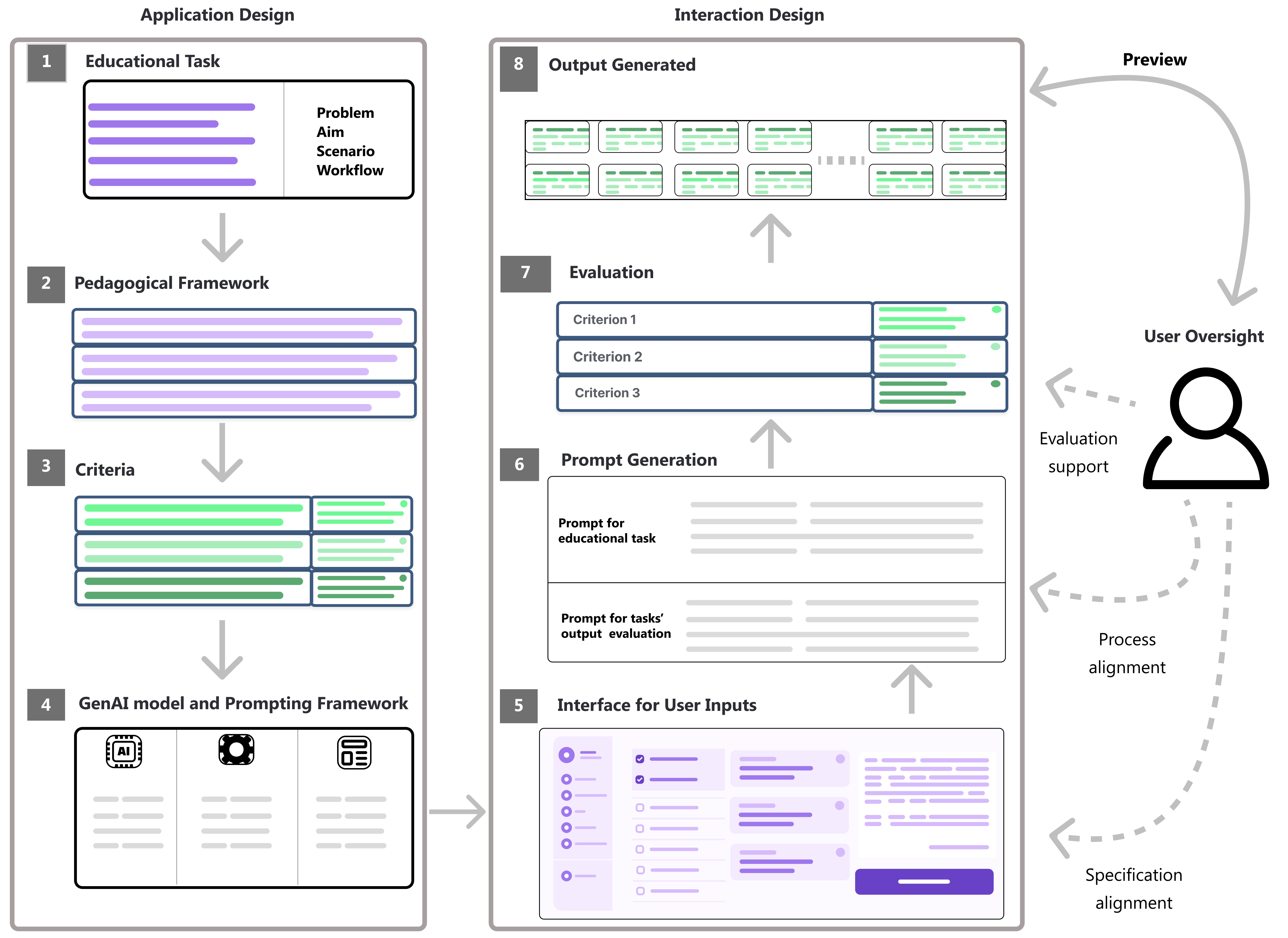
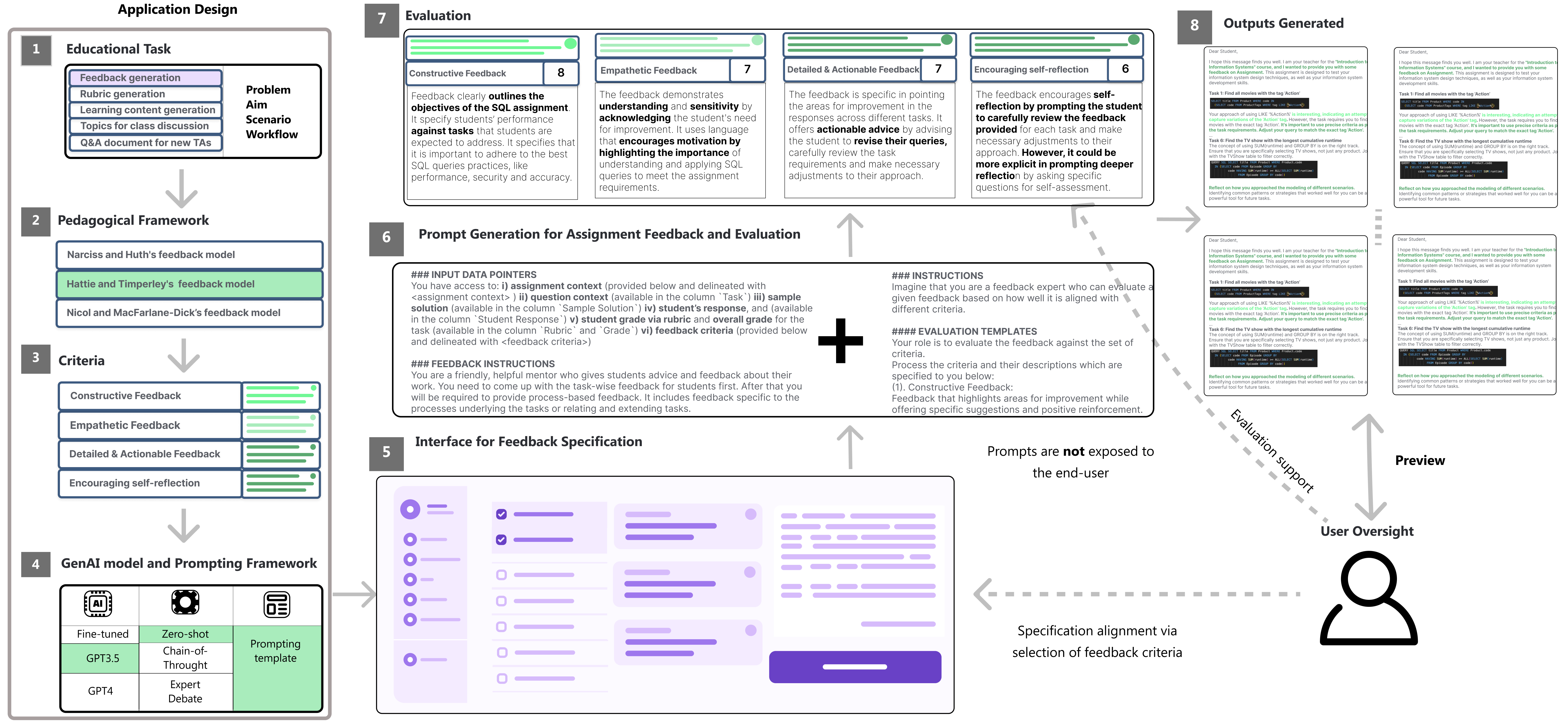
- 设计 Feedback Copilot 为基于网络的应用程序,通过 API 调用 LLM,将教学法评分量规和教学设计原则嵌入反馈生成过程。
- 实现 Feedback Copilot 的两种变体:一种为教师输入最少,另一种为采用引导式、结构化提示,以评估对反馈质量的影响。
- 集成学习分析技术,以监控反馈生成过程,确保输出的一致性和可追溯性。
- 通过 338 份学生作业的受控评估,比较两种 Feedback Copilot 变体的反馈质量,并评估教师的可用性。
- 采用定性和定量分析方法,评估反馈的准确性、建设性和与评分量规的一致性。
实验结果
研究问题
- RQ1如何在超越对话式界面的前提下,有效且伦理地将 LLM 集成到教育反馈工作流中?
- RQ2与 CUIs 相比,结构化、基于应用的界面在多大程度上能提升 LLM 生成反馈的可靠性与教学法合理性?
- RQ3在真实教育环境中,引导式提示和评分量规整合对 LLM 生成反馈的质量与一致性有何影响?
- RQ4当通过专用应用程序交付时,教师对 LLM 生成反馈的可用性和可信度有何感知?
- RQ5LLM 生成的反馈能否在感知质量与影响力上与人工撰写反馈相媲美,特别是在不同学生表现水平下?
主要发现
- Feedback Copilot 在 338 份学生作业中成功生成了个性化、与评分量规一致的定性反馈,展示了在真实教育环境中可扩展性和实际可行性。
- 该应用通过用结构化、引导式输入替代复杂提示,显著降低了教师的认知和操作负担,提升了可用性与一致性。
- 教师在使用 Feedback Copilot 的引导式提示变体时,对生成反馈的信心显著提高,表明信任度与可靠性得到增强。
- 学生对 AI 生成反馈表现出高度信任,部分学生认为其可信度与人工反馈相当甚至更高,表明其具有强大的采用潜力。
- 评估结果表明,LLM 生成的反馈被认为具有建设性且教学法上合理,尤其在有清晰评分量规和人工监督支持时更为显著。
- 本研究证实,从 CUIs 转向基于应用的 GenAI 工具,可减轻与幻觉、隐私和伦理滥用相关的风险,同时提升教育成果。
阅读本论文
在 Nubint 阅读器中打开原文,边读边就任意段落提问。
在 Nubint 中阅读本论文本解读由 AI 根据论文原文生成,引用前请核对原文。