
[论文解读] Learn to Unlearn: A Survey on Machine Unlearning
对精确与近似机器学习移除的全面综述,涵盖方法、验证、攻击、实验(DeltaGrad)、以及在确保隐私与鲁棒性方面的未来挑战。
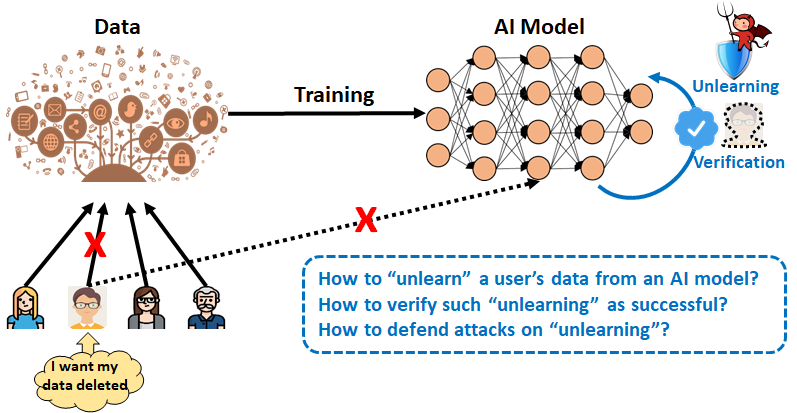
Machine Learning (ML) models have been shown to potentially leak sensitive information, thus raising privacy concerns in ML-driven applications. This inspired recent research on removing the influence of specific data samples from a trained ML model. Such efficient removal would enable ML to comply with the "right to be forgotten" in many legislation, and could also address performance bottlenecks from low-quality or poisonous samples. In that context, machine unlearning methods have been proposed to erase the contributions of designated data samples on models, as an alternative to the often impracticable approach of retraining models from scratch. This article presents a comprehensive review of recent machine unlearning techniques, verification mechanisms, and potential attacks. We further highlight emerging challenges and prospective research directions (e.g. resilience and fairness concerns). We aim for this paper to provide valuable resources for integrating privacy, equity, andresilience into ML systems and help them "learn to unlearn".
研究动机与目标
- 出于隐私法规(如 GDPR、CCPA/CPRA)以及数据污染担忧而推动机器移除的必要性。
- 综述并分类精确与近似移除方法及其权衡。
- 考察移除过程的验证机制和潜在攻击。
- 提供关于准确性、效率与非IID 数据挑战的实验性洞察(DeltaGrad)。
- 强调在韧性、公平性与策略对齐的移除方面的开放挑战与方向。
提出的方法
- 将移除分为精确与近似范式,并给出相应技术(例如求和形式、SISA、DeltaGrad)。
- 分析支持移除的机制,如模型版本控制、数据清洗与检查点保存。
- 结合不同模型(线性、基于树的、神经网络)和损失设置(凸/非凸)的前沿方法。
- 讨论验证方法(后门、成员资格推断)以及对移除的攻击向量。
实验结果
研究问题
- RQ1现有的精确与近似机器移除方法及其运行权衡有哪些?
- RQ2如何对移除进行验证,存在哪些攻击威胁移除完整性?
- RQ3在 IID 与非 IID 数据分布下,移除方法的经验性能与效率影响如何?
- RQ4在确保隐私、公平性与韧性方面,移除系统存在哪些挑战与未来方向?
主要发现
- 精确移除可以实现数据的完全擦除,但可能降低模型性能并有通过可检测差异的隐私泄露风险。
- 近似移除更好地保留性能,但面临验证挑战和潜在隐私风险;对凸模型存在经过认证的移除方法。
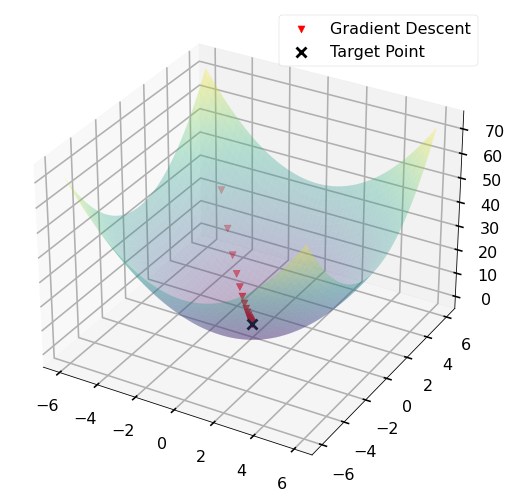
- DeltaGrad 通过反转损失(最大化损失)实现更快的移除,并展示了 IID 与非 IID 的特定性能动态。
- 在 MNIST 上使用 DeltaGrad 的实验表明,在 IID 下准确率降幅很小,在非 IID 下,当删除高普及标签(例如标签 '4')时降幅显著。
- 时间成本分析表明,在 IID 设置下,当删除比例较高时,从头训练的速度可能比 DeltaGrad 快,临界点在某些删除水平附近的转折点。
- 文献揭示对成员推断、后门验证风险以及对移除方法的投毒攻击存在显著漏洞。
阅读本论文
在 Nubint 阅读器中打开原文,边读边就任意段落提问。
在 Nubint 中阅读本论文本解读由 AI 根据论文原文生成,引用前请核对原文。