
[论文解读] Learning from Similar Linear Representations: Adaptivity, Minimaxity, and Robustness
该论文提出了适用于具有相似但不完全相同线性表示的多任务和迁移学习的自适应且鲁棒的算法,适用于内在维度未知和存在异常任务的情形。通过利用相似性结构并具备对异常值的鲁棒性,该方法实现了近乎极小极大最优的性能,在表示足够相似时优于单任务学习,而在表示不相似时也从不劣于单任务学习。
Representation multi-task learning (MTL) has achieved tremendous success in practice. However, the theoretical understanding of these methods is still lacking. Most existing theoretical works focus on cases where all tasks share the same representation, and claim that MTL almost always improves performance. Nevertheless, as the number of tasks grows, assuming all tasks share the same representation is unrealistic. Furthermore, empirical findings often indicate that a shared representation does not necessarily improve single-task learning performance. In this paper, we aim to understand how to learn from tasks with extit{similar but not exactly the same} linear representations, while dealing with outlier tasks. Assuming a known intrinsic dimension, we propose a penalized empirical risk minimization method and a spectral method that are extit{adaptive} to the similarity structure and extit{robust} to outlier tasks. Both algorithms outperform single-task learning when representations across tasks are sufficiently similar and the proportion of outlier tasks is small. Moreover, they always perform at least as well as single-task learning, even when the representations are dissimilar. We provide information-theoretic lower bounds to demonstrate that both methods are nearly extit{minimax} optimal in a large regime, with the spectral method being optimal in the absence of outlier tasks. Additionally, we introduce a thresholding algorithm to adapt to an unknown intrinsic dimension. We conduct extensive numerical experiments to validate our theoretical findings.
研究动机与目标
- 解决当任务共享相似但不完全相同的线性表示时,多任务和迁移学习中理论理解不足的问题。
- 设计对任务间相似性结构具有自适应性且对异常任务或对抗性数据具有鲁棒性的算法。
- 确保即使在表示不相似时,性能也从不劣于单任务学习,而在表示相似时则优于单任务学习。
- 通过信息论下界建立理论,证明所提方法的近乎极小极大最优性。
- 通过自适应算法将框架扩展至内在维度未知的情形。
提出的方法
- 在已知内在维度下提出两种算法:一种用于多任务学习(MTL),一种用于迁移学习(TL),两者均旨在利用任务表示间的相似性。
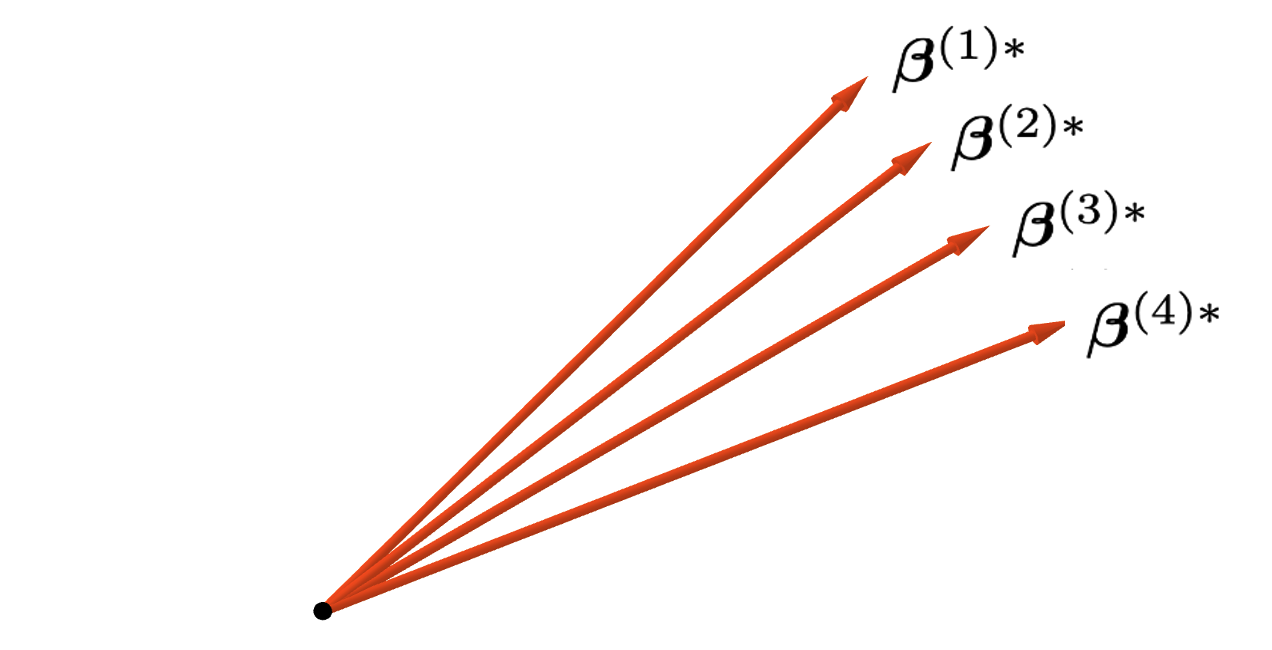
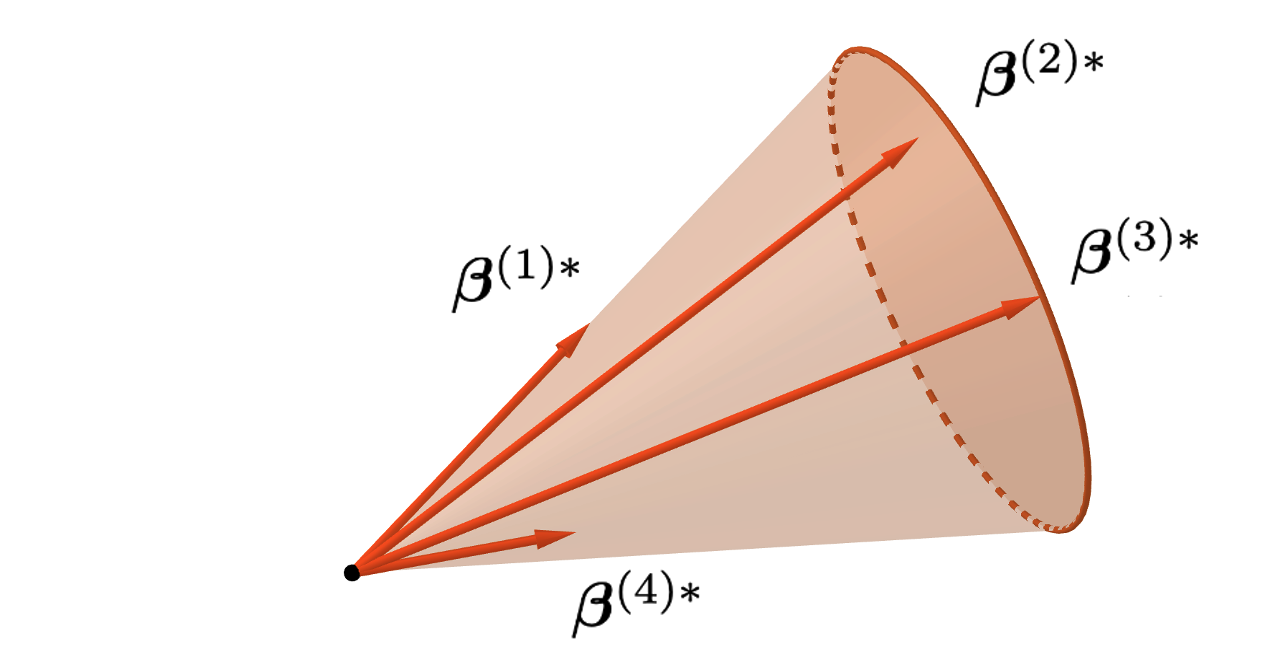
- 使用中心表示来建模相似性,对任务特定表示与该中心表示的最大偏离施加约束。
- 采用正则化估计过程,在拟合主要任务与抵抗来自异常任务的污染之间取得平衡。
- 通过信息论下界推导理论保证,证明在大样本情形下达到近乎极小极大最优性。
- 通过从数据中估计表示矩阵的秩,提出一种用于未知内在维度的自适应算法。
- 应用浓度不等式和谱范数界,以控制模型误设和噪声下的估计误差。
实验结果
研究问题
- RQ1我们能否设计出自适应于具有相似线性表示的任务间相似性结构的多任务和迁移学习算法?
- RQ2我们如何确保对显著偏离主要相似任务群的异常任务具有鲁棒性?
- RQ3在表示相似性和异常污染条件下,估计的理论极限(极小极大率)是什么?
- RQ4我们能否实现性能始终不劣于单任务学习,即使表示未被共享?
- RQ5我们如何将该方法扩展至内在维度未知的情形?
主要发现
- 当任务间表示足够相似且异常任务比例较小时,所提算法优于单任务学习或仅针对目标任务的学习。
- 即使表示不相似,算法性能也始终不劣于单任务学习,确保了模型选择的安全性。
- 信息论下界证实,所提算法在问题的大范围参数域内近乎极小极大最优。
- 通过约束任务特定表示与共享中心表示之间的偏离,该方法实现了对异常任务的鲁棒性。
- 提出了适用于未知内在维度的自适应算法,并通过仿真研究证明其有效性。
- 理论分析表明,估计误差与相似性度量 $ h $ 成比例,当 $ h $ 较小时方法仍能保持低误差。
阅读本论文
在 Nubint 阅读器中打开原文,边读边就任意段落提问。
在 Nubint 中阅读本论文本解读由 AI 根据论文原文生成,引用前请核对原文。