
[论文解读] Loss Functions and Metrics in Deep Learning
对常见深度学习任务中的损失函数和性能评估指标进行全面综述,详细介绍它们的性质、优点、局限性以及在回归、分类、目标检测、分割、人脸识别和图像生成等方面的典型使用场景。
This paper presents a comprehensive review of loss functions and performance metrics in deep learning, highlighting key developments and practical insights across diverse application areas. We begin by outlining fundamental considerations in classic tasks such as regression and classification, then extend our analysis to specialized domains like computer vision and natural language processing including retrieval-augmented generation. In each setting, we systematically examine how different loss functions and evaluation metrics can be paired to address task-specific challenges such as class imbalance, outliers, and sequence-level optimization. Key contributions of this work include: (1) a unified framework for understanding how losses and metrics align with different learning objectives, (2) an in-depth discussion of multi-loss setups that balance competing goals, and (3) new insights into specialized metrics used to evaluate modern applications like retrieval-augmented generation, where faithfulness and context relevance are pivotal. Along the way, we highlight best practices for selecting or combining losses and metrics based on empirical behaviors and domain constraints. Finally, we identify open problems and promising directions, including the automation of loss-function search and the development of robust, interpretable evaluation measures for increasingly complex deep learning tasks. Our review aims to equip researchers and practitioners with clearer guidance in designing effective training pipelines and reliable model assessments for a wide spectrum of real-world applications.
研究动机与目标
- 解释损失函数和性能评估指标在训练和评估深度学习模型中的作用。
- 整理并比较主要任务中常见的损失函数和指标。
- 突出选择合适的损失和指标时的优点、局限性和实际考虑因素。
提出的方法
- 系统性回顾在回归、分类、目标检测、分割、人脸识别和图像生成等领域广泛使用的损失函数。
- 总结数学定义、性质(凸性、可微性、鲁棒性等)和典型应用场景。
- 在实际中就何时使用每个损失函数和度量提供比较性指导。
实验结果
研究问题
- RQ1在核心深度学习任务中最常用的损失函数和性能指标有哪些?
- RQ2损失函数的性质(如凸性、可微性、鲁棒性)如何影响它们对不同问题的适用性?
- RQ3可以为从业者在回归、分类、目标检测、分割和生成任务中选择合适的损失和指标提供哪些指导?
- RQ4常用损失函数和评估指标相关的局限性与权衡有哪些?
- RQ5损失函数和指标在训练目标与模型评估之间有何不同?
主要发现
- 提供对回归、分类、目标检测、分割、人脸识别和图像生成的损失与评估指标的全面分类体系。
- 阐明用于训练的损失函数与用于评估的度量之间的区别。
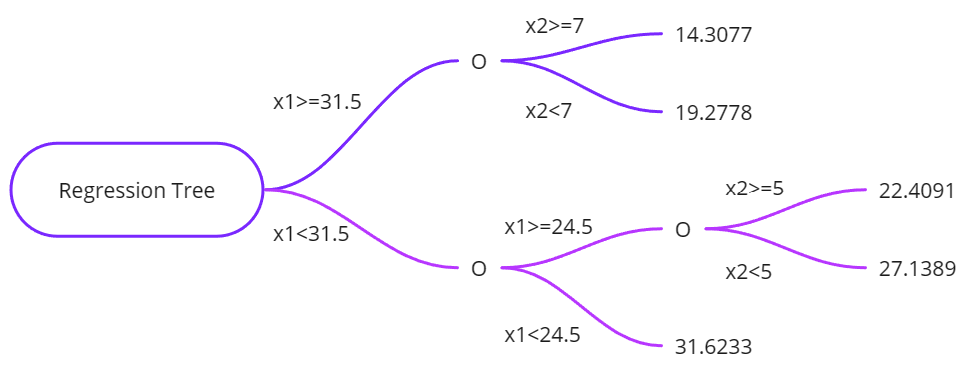
- 概述主要损失函数的关键性质与权衡(例如均方误差、平均绝对误差、Huber、交叉熵、 focal loss、基于 IoU 的损失、Dice/Tversky、PSNR/SSIM/FID 等)。
- 包括针对泊松回归、分位数回归以及计数数据的泊松损失等任务的专门损失讨论。
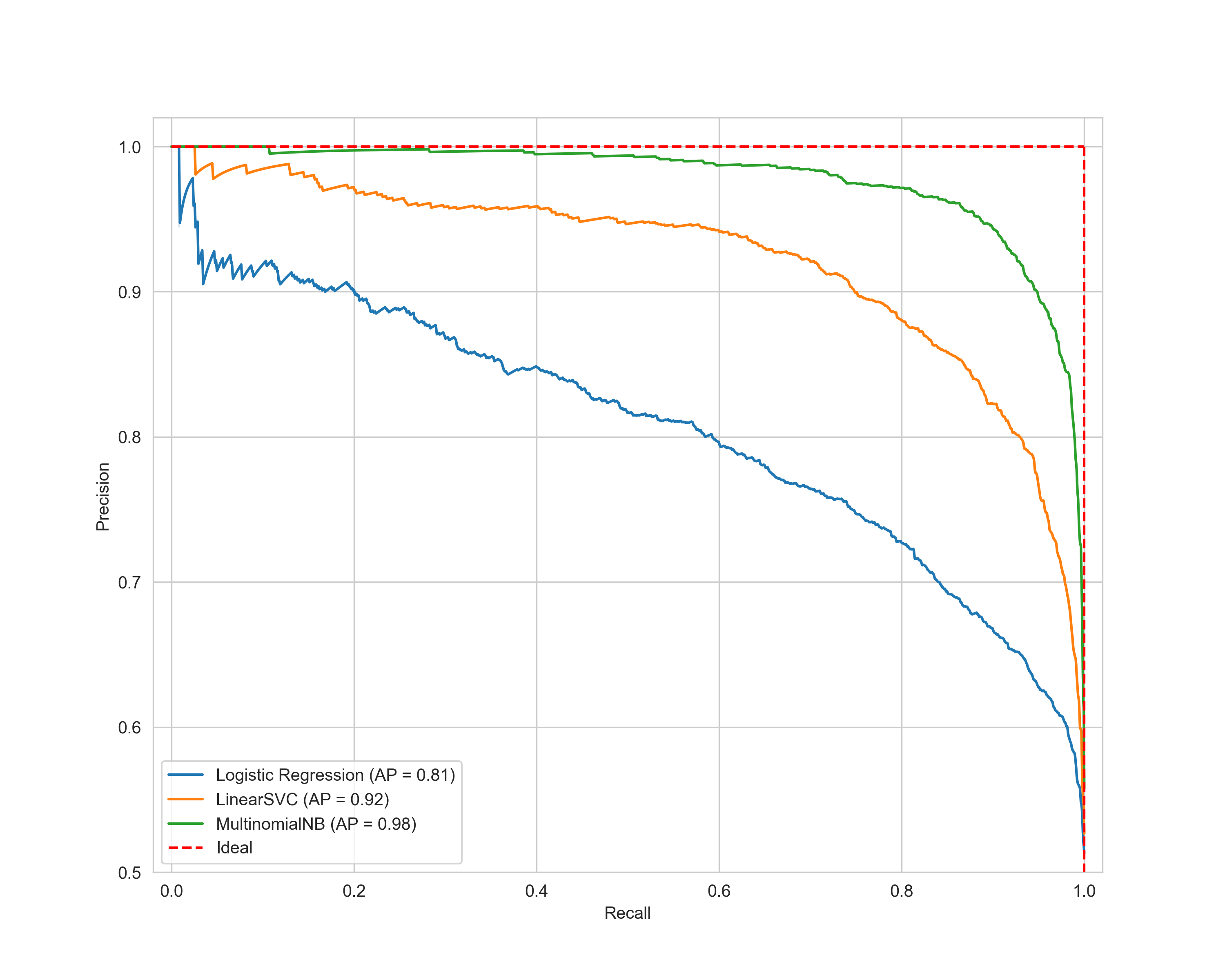
- 总结广泛使用的评估指标(RMSE、MAPE、SMAPE、R²、准确率、精确率、召回率、AUC-ROC、AP、AR、PQ 等)及它们的适用性与局限性。
阅读本论文
在 Nubint 阅读器中打开原文,边读边就任意段落提问。
在 Nubint 中阅读本论文本解读由 AI 根据论文原文生成,引用前请核对原文。