
[论文解读] Machine Learning-Driven Open-Source Framework for Assessing QoE in Multimedia Networks
本文提出了一种开源的、基于机器学习的框架,用于在多媒体网络中使用网络参数作为输入,实时预测用户体验质量(QoE)。通过在超过20,000条数据记录上进行训练,随机森林模型在预测平均意见得分(MOS)方面达到了95.8%的准确率,使网络运营商能够以最低成本动态优化资源分配,从而提升用户满意度。
The Internet is integral to modern life, influencing communication, business, and lifestyles globally. As dependence on Internet services grows, the demand for high-quality service delivery increases. Service providers must maintain high standards of quality of service and quality of experience (QoE) to ensure user satisfaction. QoE, which reflects user satisfaction with service quality, is a key metric for multimedia services, yet it is challenging to measure due to its subjective nature and the complexities of real-time feedback. This paper introduces a machine learning-based framework for objectively assessing QoE in multimedia networks. The open-source framework complies with the ITU-T P.1203 standard. It automates data collection and user satisfaction prediction using key network parameters such as delay, jitter, packet loss, bitrate, and throughput. Using a dataset of over 20,000 records from various network conditions, the Random Forest model predicts the mean opinion score with 95.8% accuracy. Our framework addresses the limitations of existing QoE models by integrating real-time data collection, machine learning predictions, and adherence to international standards. This approach enhances QoE evaluation accuracy and allows dynamic network resource management, optimizing performance and cost-efficiency. Its open-source nature encourages adaptation and extension for various multimedia services. The findings significantly affect the telecommunications industry in managing and optimizing multimedia services. The network centric QoE prediction of the framework offers a scalable solution to improve user satisfaction without the need for content-specific data. Future enhancements could include advanced machine learning models and broader applicability to digital services. This research contributes a practical, standardized tool for QoE assessment across diverse networks and platforms.
研究动机与目标
- 开发一种实用的、开源的框架,用于评估和预测多媒体服务中的用户体验质量(QoE)。
- 解决准确衡量以用户为中心的QoE的挑战,该挑战复杂且缺乏精确的实时反馈模型。
- 通过利用真实世界网络和用户数据的机器学习技术,弥合客观QoS指标与主观用户满意度之间的差距。
- 使网络运营商能够基于预测的用户满意度动态分配资源,以最低成本提升服务质量。
提出的方法
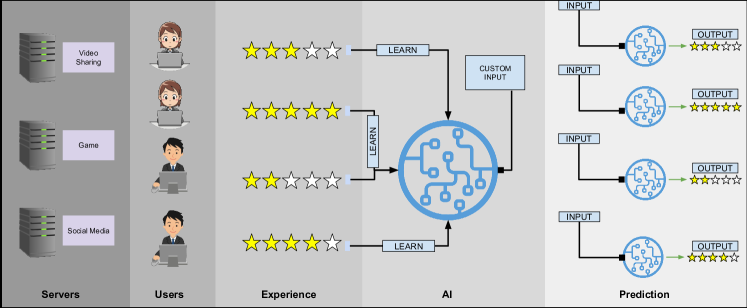
- 该框架从不同网络条件下收集了超过20,000条数据记录,捕获了关键网络参数:时延、抖动、丢包率、比特率和吞吐量。
- 使用ITU-T P.1203标准量化用户QoE,该标准将平均意见得分(MOS)作为模型训练的基准真实值。
- 实施了监督机器学习流程,以网络参数作为特征,MOS作为目标变量。
- 使用R²和准确率指标对多种模型(包括随机森林、XGBoost和神经网络)进行了训练和评估。
- 由于其较高的R²(0.958)和在从网络输入预测MOS方面的鲁棒性,随机森林模型被选为最优模型。
- 该框架支持未来与联邦学习的集成,实现在用户设备上的分布式模型训练,同时保护隐私。
实验结果
研究问题
- RQ1仅使用网络级参数,机器学习模型能否准确预测多媒体服务中的用户感知用户体验质量(QoE)?
- RQ2哪种机器学习算法在基于ITU-T P.1203标准推导出的MOS评分预测中达到最高准确率?
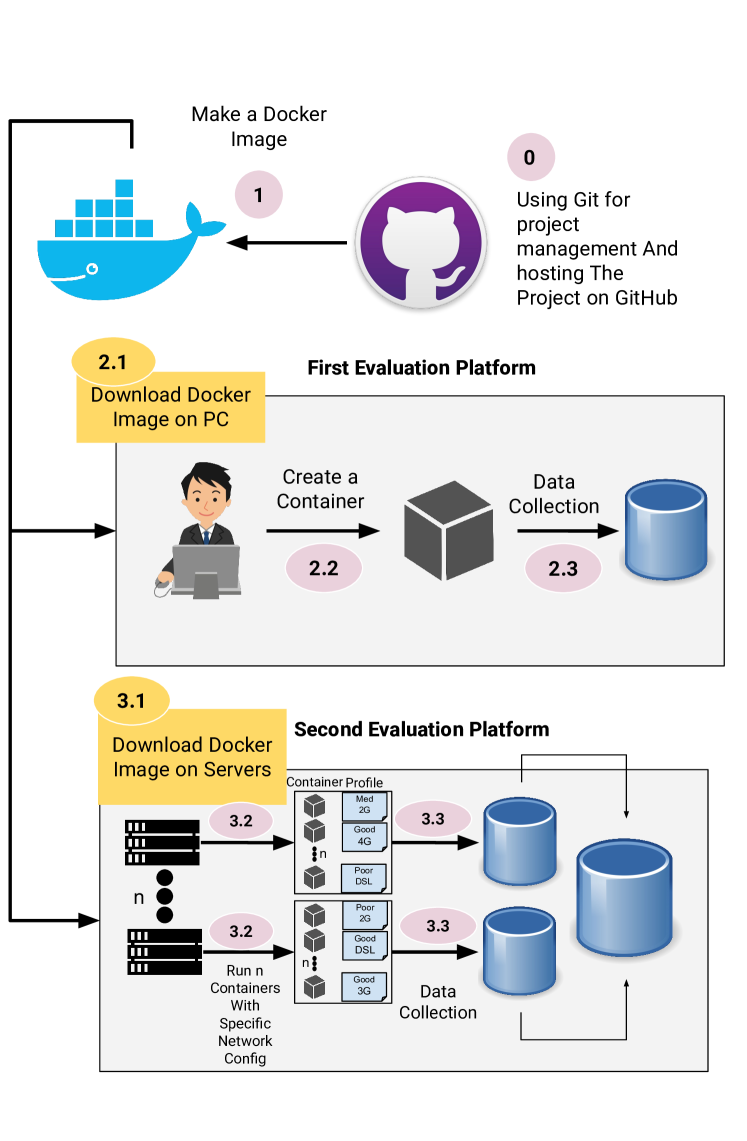
- RQ3如何设计一种可扩展的、开源的框架,以实现实时QoE监控和动态网络资源优化?
- RQ4哪些关键网络参数对流媒体服务中用户感知的视频质量影响最大?
主要发现
- 随机森林模型表现出最佳预测性能,R²达到0.958,表明预测值与实际MOS值之间具有强相关性。
- 该模型仅使用五个网络参数(时延、抖动、丢包率、比特率和吞吐量)即实现了95.8%的用户满意度预测准确率。
- 该框架支持实时QoE估计,使网络运营商能够基于预测的用户满意度主动优化资源分配。
- 本研究证明,机器学习能够有效建模客观QoS指标与主观QoE之间复杂的关联关系。
- 该框架的开源特性支持可扩展性,包括与联邦学习集成,以实现隐私保护的模型更新。
- 未来改进方向如深度学习、强化学习以及多模态反馈(例如面部表情)被识别为有望进一步提升准确性的潜在路径。
阅读本论文
在 Nubint 阅读器中打开原文,边读边就任意段落提问。
在 Nubint 中阅读本论文本解读由 AI 根据论文原文生成,引用前请核对原文。