
[论文解读] Minimize Web Applications vulnerabilities through the early Detection of CRLF Injection
本文提出了一种自动化框架,通过分析HTTP响应头中的恶意回车/换行(CR/LF)序列,实现对Web应用程序中CRLF注入漏洞的早期检测。该方法通过验证头字段中的输入,减少了误报率,并在识别易受攻击的网站方面优于Acunetix和Metasploit Pro等现有工具,40个测试网站中有3个被发现易受CRLF攻击。
Carriage return (CR) and line feed (LF), also known as CRLF injection is a type of vulnerability that allows a hacker to enter special characters into a web application, altering its operation or confusing the administrator. Log poisoning and HTTP response splitting are two prominent harmful uses of this technique. Additionally, CRLF injection can be used by an attacker to exploit other vulnerabilities, such as cross-site scripting (XSS). According to Open Web Application Security Project (OWASP), CRLF vulnerabilities are among the top 10 vulnerabilities and are a type of injection attack. Automated testing can help to quickly identify CRLF vulnerabilities, and is particularly useful for companies to test their applications before releasing them. However, CRLF vulnerabilities foster a better approach to mitigate CRLF vulnerabilities in the early stage and help secure applications against high-risk known vulnerabilities. There has been less research on CRLF vulnerabilities and how to detect them with automated testing. There is room for further research to be done on this subject matter in order to develop creative solutions to problems. It will also help to reduce false positive alerts by checking the header response of each request. Security automation is an important issue for companies trying to protect themselves against security threats. Automated alerts from security systems can provide a quicker and more accurate understanding of potential vulnerabilities and can help to reduce false positive alerts. Despite the extensive research on various types of vulnerabilities in web applications, CRLF vulnerabilities have only recently been included in the research. Utilizing automated testing as a recurring task can assist companies in receiving consistent updates about their systems and enhance their security.
研究动机与目标
- 为解决Web应用程序中CRLF注入漏洞这一研究不足的问题,尽管其风险很高,但常被忽视。
- 开发一种自动化、高效的方法,用于在软件开发生命周期中检测CRLF漏洞,以防止被利用。
- 通过聚焦于HTTP响应头和输入验证模式,减少漏洞检测中的误报。
- 提高CRLF漏洞的早期检测能力,以防止引发XSS、日志中毒和HTTP响应拆分等链式攻击。
- 提供一种实用且可扩展的解决方案,在性能开销最小的前提下增强Web应用程序安全性。
提出的方法
- 该框架接收一个URL列表作为输入,并执行自动化的HTTP GET请求,以分析响应头。
- 通过扫描响应头字段中ASCII 13(CR)和ASCII 10(LF)字符来检测CRLF注入。
- 系统验证CR和LF序列在HTTP头中用户输入的处理是否不当。
- 利用响应头分析来区分合法的换行符与恶意注入尝试。
- 该方法通过聚焦于头级别行为而非仅语法模式,旨在最大限度减少误报。
- 该框架在40个真实网站上与三种工具(Acunetix、Metasploit Pro和所提方法)进行了对比评估。
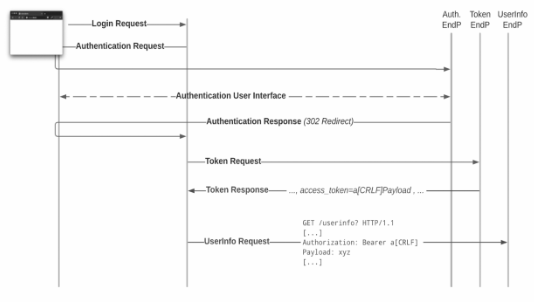
实验结果
研究问题
- RQ1CRLF注入漏洞在真实Web应用程序中有多普遍?
- RQ2能否通过响应头分析实现CRLF漏洞的自动化检测,并将误报率降至最低?
- RQ3所提框架在有效性方面与Acunetix和Metasploit Pro等现有工具相比如何?
- RQ4CRLF漏洞在多大程度上可导致更严重的攻击,如XSS或日志中毒?
- RQ5CRLF注入的早期检测在缓解更广泛的应用层威胁中起到什么作用?
主要发现
- 在测试的40个真实网站中,有三个被确认易受CRLF注入攻击。
- 所提框架检测到的易受攻击网站数量超过Acunetix和Metasploit Pro的联合检测率。
- 该框架通过聚焦于HTTP响应头而非一般输入模式,实现了更低的误报率。
- CRLF漏洞被发现是一种重要威胁向量,可导致日志中毒、HTTP响应拆分和权限提升。
- 本研究证实,CRLF注入是一种广泛存在但研究不足的漏洞,常因更常见的攻击(如SQL注入或XSS)而被忽视。
- 在头字段中对用户输入进行输入验证和清理,是防止基于CRLF的利用的关键。
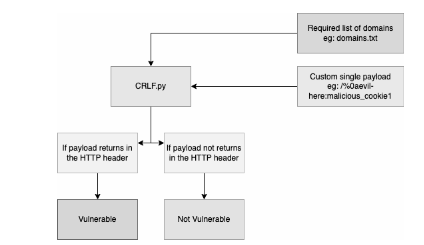
阅读本论文
在 Nubint 阅读器中打开原文,边读边就任意段落提问。
在 Nubint 中阅读本论文本解读由 AI 根据论文原文生成,引用前请核对原文。