
[论文解读] Modeling Sustainable Resource Management using Active Inference
本文提出了一种基于主动推理的可持续资源管理计算模型,其中智能体通过最小化自由能来学习平衡即时需求与长期资源可用性。在动态环境中,智能体表现出具有韧性的自适应行为——抵制即时满足以确保可持续性,表明主动推理可通过学习与信念更新生成生态合理的决策策略。
Active inference helps us simulate adaptive behavior and decision-making in biological and artificial agents. Building on our previous work exploring the relationship between active inference, well-being, resilience, and sustainability, we present a computational model of an agent learning sustainable resource management strategies in both static and dynamic environments. The agent's behavior emerges from optimizing its own well-being, represented by prior preferences, subject to beliefs about environmental dynamics. In a static environment, the agent learns to consistently consume resources to satisfy its needs. In a dynamic environment where resources deplete and replenish based on the agent's actions, the agent adapts its behavior to balance immediate needs with long-term resource availability. This demonstrates how active inference can give rise to sustainable and resilient behaviors in the face of changing environmental conditions. We discuss the implications of our model, its limitations, and suggest future directions for integrating more complex agent-environment interactions. Our work highlights active inference's potential for understanding and shaping sustainable behaviors.
研究动机与目标
- 探究主动推理如何在不同环境条件下生成智能体的可持续资源管理行为。
- 考察学习与信念更新在使智能体平衡短期需求与长期资源可用性方面的作用。
- 通过最小化自由能,建模智能体行为中韧性与弹性出现的机制。
- 探讨单智能体、单资源模型在捕捉现实世界生态复杂性方面的局限性。
- 为未来基于主动推理的多智能体、多资源系统研究奠定基础。
提出的方法
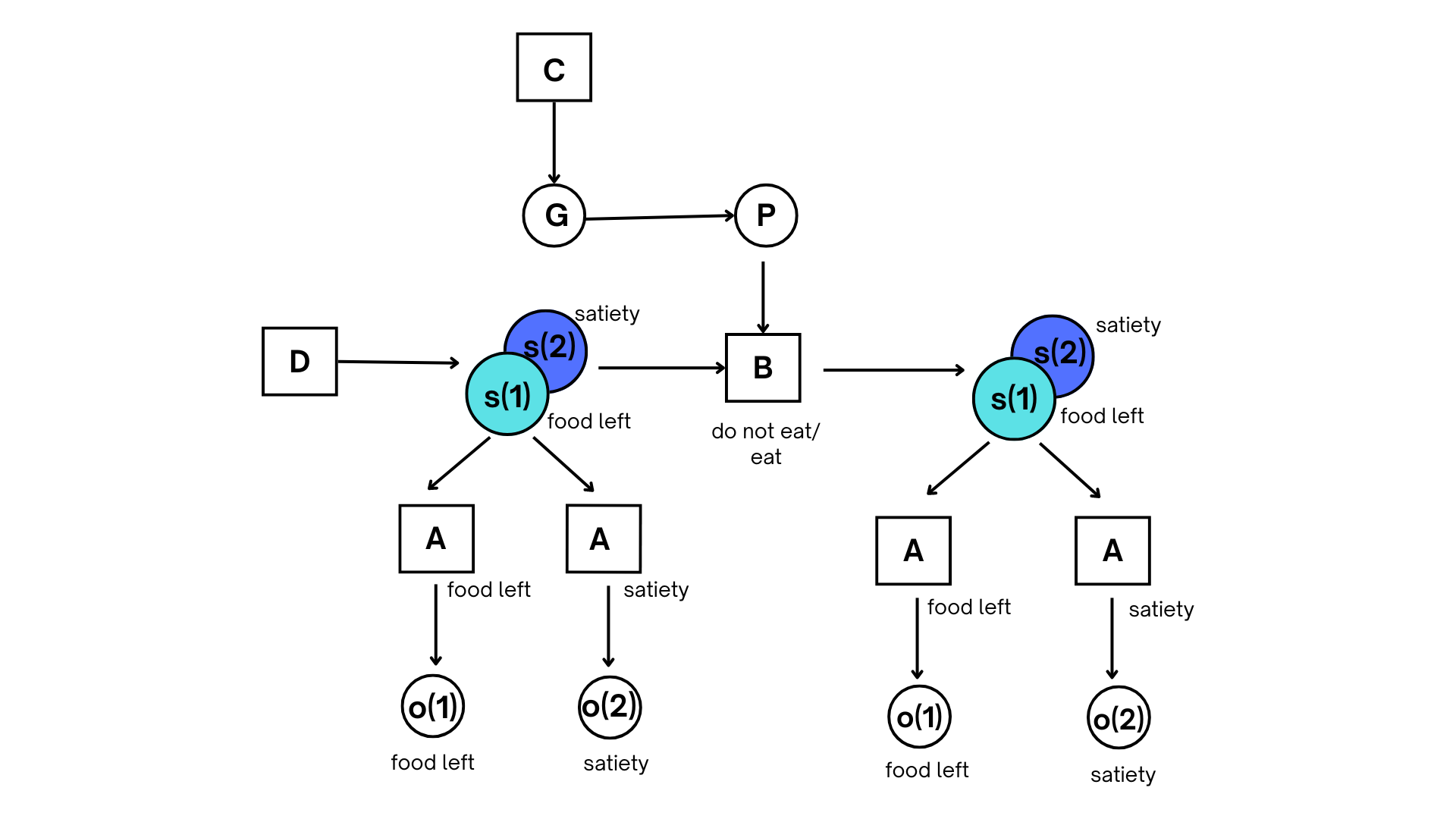
- 智能体使用主动推理最小化变分自由能,平衡先验偏好(例如减少饥饿)与环境信念。
- 生成模型编码了智能体对环境动态的信念,包括资源耗竭与再生速率。
- 通过贝叶斯推断优化智能体的策略,基于感官输入与预测误差更新其内部模型。
- 采用两种模拟案例:案例1(静态环境)测试基线消耗行为;案例2(动态环境)引入消耗与资源再生之间的反馈。
- 通过随时间优化策略实现学习,性能基于生存与持续福祉进行评估。
- 模型引入精确度加权以调节对预测误差的敏感度,从而实现对环境变化的自适应响应。
实验结果
研究问题
- RQ1主动推理如何支持单个智能体中可持续消耗行为的出现?
- RQ2学习在使智能体适应具有延迟资源反馈的动态环境条件中发挥何种作用?
- RQ3自由能的暂时性增加(例如饥饿)如何促进长期可持续性?
- RQ4在环境扰动下,智能体的行为在哪些方面体现韧性、弹性与可塑性?
- RQ5单智能体、单资源模型的局限性如何制约其在现实世界可持续性挑战中的适用性?
主要发现
- 在静态环境中,智能体持续消耗资源以满足即时需求,表现出基线行为惯性。
- 在动态环境中,智能体学会适度控制消耗,忍受自由能的暂时性增加(如饥饿),以保护长期资源可用性。
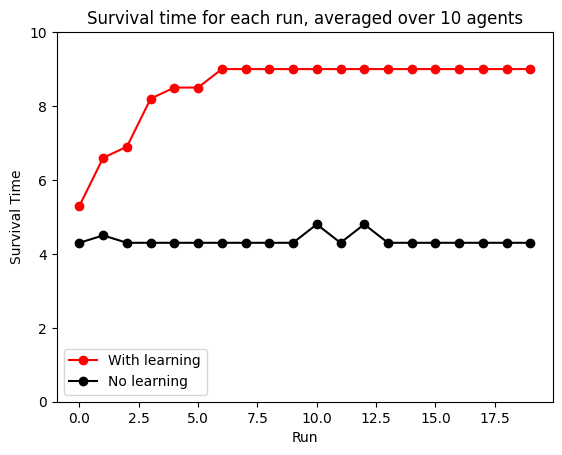
- 当策略长度为1且无学习时,智能体在第一步内即死亡,凸显了在复杂环境中生存对学习的必要性。
- 通过学习,智能体逐渐发展出一种稳定策略,平衡消耗与再生,从而实现长期生存。
- 智能体的行为通过容忍短期不适体现弹性,通过根据新环境反馈更新其内部模型体现可塑性。
- 该模型表明,主动推理可通过在先验偏好与环境约束下优化自由能,催生可持续且具有韧性的行为。
阅读本论文
在 Nubint 阅读器中打开原文,边读边就任意段落提问。
在 Nubint 中阅读本论文本解读由 AI 根据论文原文生成,引用前请核对原文。