
[论文解读] Music Generation by Deep Learning - Challenges and Directions
本文识别出基于深度学习的音乐生成中的核心挑战——控制、结构、创造力与交互性,并通过结构化建模与交互式生成框架提出解决方案。提出 DeepBach 模型,该模型基于双向长短期记忆网络(LSTM),采用增量 Gibbs 采样方法,实现用户可控的、部分再生的巴赫众赞歌复调音乐生成,相较于标准自回归模型,在作曲控制与交互性方面表现更优。
In addition to traditional tasks such as prediction, classification and translation, deep learning is receiving growing attention as an approach for music generation, as witnessed by recent research groups such as Magenta at Google and CTRL (Creator Technology Research Lab) at Spotify. The motivation is in using the capacity of deep learning architectures and training techniques to automatically learn musical styles from arbitrary musical corpora and then to generate samples from the estimated distribution. However, a direct application of deep learning to generate content rapidly reaches limits as the generated content tends to mimic the training set without exhibiting true creativity. Moreover, deep learning architectures do not offer direct ways for controlling generation (e.g., imposing some tonality or other arbitrary constraints). Furthermore, deep learning architectures alone are autistic automata which generate music autonomously without human user interaction, far from the objective of interactively assisting musicians to compose and refine music. Issues such as: control, structure, creativity and interactivity are the focus of our analysis. In this paper, we select some limitations of a direct application of deep learning to music generation, analyze why the issues are not fulfilled and how to address them by possible approaches. Various examples of recent systems are cited as examples of promising directions.
研究动机与目标
- 分析直接应用深度学习于音乐生成时的根本局限,尤其关注控制、结构、创造力与交互性方面的问题。
- 识别标准深度学习模型为何无法支持有意义的人机作曲协作或风格控制。
- 提出架构与算法策略,实现用户引导的、部分的、结构化的音乐生成。
- 展示如何将深度学习适配为支持交互式、创造性作曲,而非被动的、整体性的生成过程。
提出的方法
- 采用双向长短期记忆网络(LSTM)架构,同时从前向和后向时间方向处理音乐数据,以捕捉长程依赖关系。
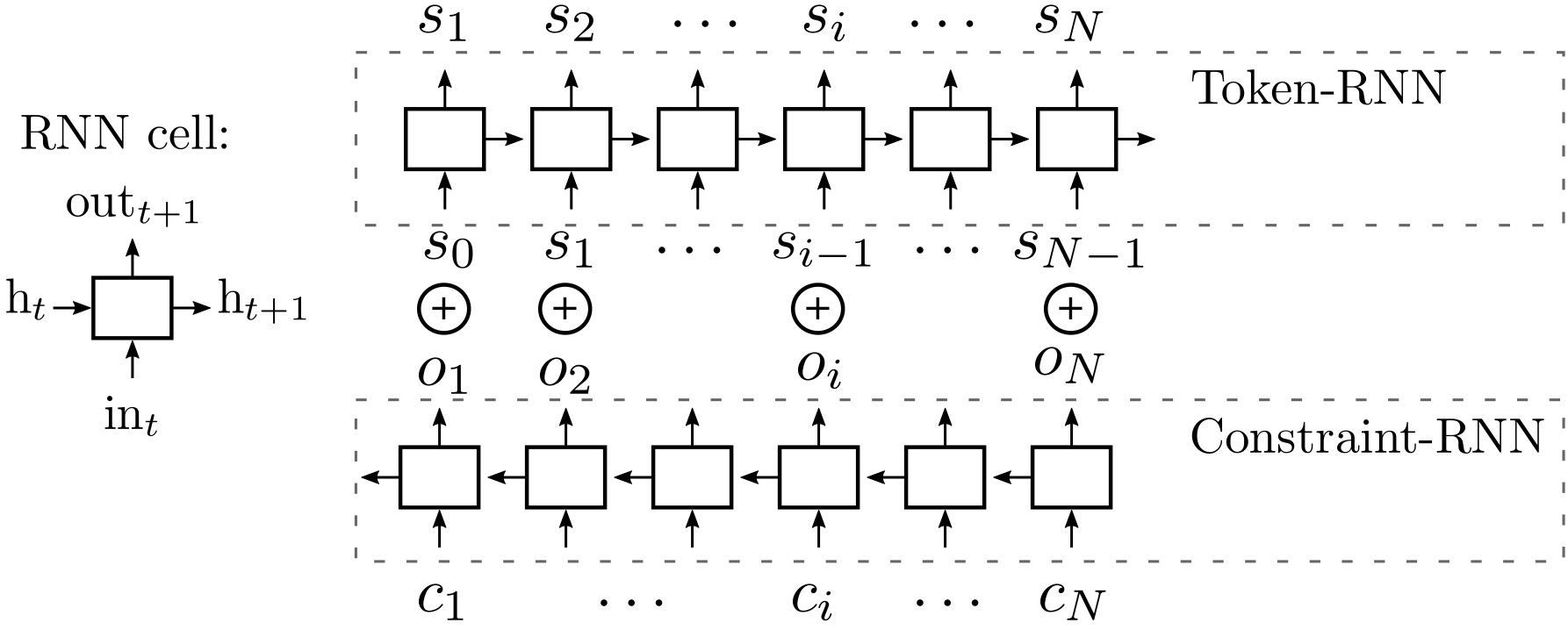
- 采用混合网络结构,包含两个 LSTM(前向与后向)以及两个前馈网络,用于建模复调音乐中的多个声部。
- 应用伪 Gibbs 采样算法实现增量式、迭代式生成,即根据上下文逐个重新采样单个音符。
- 通过允许用户仅修改特定小节或声部,仅对受影响部分进行重采样,实现选择性再生。
- 将模型集成为 MuseScore 插件,实现在作曲过程中实时用户交互与控制。
- 通过从现有众赞歌中随机采样音符,并利用上下文信息预测其值,实现在线训练。
实验结果
研究问题
- RQ1如何调整深度学习模型,以支持用户对调性、节奏、声部进行等音乐参数的控制?
- RQ2哪些架构与算法策略能够实现超越简单序列预测的结构化、连贯的音乐生成?
- RQ3深度学习模型能否支持交互式、增量式音乐生成,使作曲家可在不重新生成整首作品的前提下优化特定段落?
- RQ4深度学习系统如何在模仿训练数据与实现真正的音乐创造力及原创性之间取得平衡?
- RQ5双向上下文在提升复调音乐生成质量与连贯性方面发挥何种作用?
主要发现
- DeepBach 架构成功生成具有高度音乐连贯性与风格一致性的巴赫风格众赞歌,经专家评估验证。
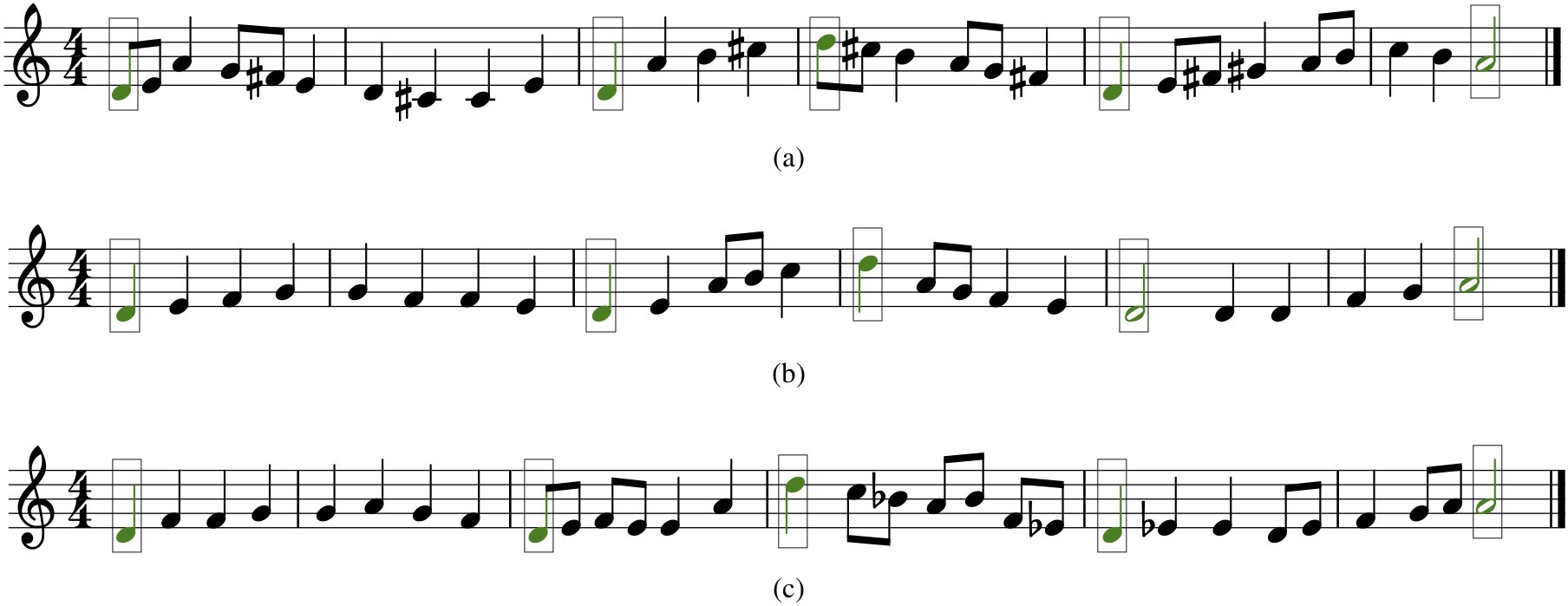
- 增量 Gibbs 采样支持音乐内容的部分再生——例如,仅修改高音声部即可对相应对位声部进行重采样。
- 通过 MuseScore 插件支持用户交互,实现实时编辑与特定小节的再生,显著提升交互性。
- 双向上下文(前向与后向处理)显著增强了模型在声部间保持和声与对位一致性的能力。
- 该方法表明,深度学习可超越端到端的自回归生成,支持结构化、可控且交互式的音乐创作。
- 通过结合全局表征与选择性实例化,该方法避免了单步生成的局限,使人类与 AI 在音乐创作中的协作更加直观。
阅读本论文
在 Nubint 阅读器中打开原文,边读边就任意段落提问。
在 Nubint 中阅读本论文本解读由 AI 根据论文原文生成,引用前请核对原文。