
[论文解读] Not All Similarities Are Created Equal: Leveraging Data-Driven Biases to Inform GenAI Copyright Disputes
本文提出一种数据驱动方法,利用生成式人工智能(GenAI)模型(如 GPT-2 和 Stable Diffusion)的固有偏差,衡量受版权保护作品中的表达通用性。通过分析模型输出中的频率模式,识别出属于通用而非原创的元素,从而提供一种定量工具,以指导版权保护范围,减少过度保护,并支持更公平的诉讼、注册和许可决策。
The advent of Generative Artificial Intelligence (GenAI) models, including GitHub Copilot, OpenAI GPT, and Stable Diffusion, has revolutionized content creation, enabling non-professionals to produce high-quality content across various domains. This transformative technology has led to a surge of synthetic content and sparked legal disputes over copyright infringement. To address these challenges, this paper introduces a novel approach that leverages the learning capacity of GenAI models for copyright legal analysis, demonstrated with GPT2 and Stable Diffusion models. Copyright law distinguishes between original expressions and generic ones (Scènes à faire), protecting the former and permitting reproduction of the latter. However, this distinction has historically been challenging to make consistently, leading to over-protection of copyrighted works. GenAI offers an unprecedented opportunity to enhance this legal analysis by revealing shared patterns in preexisting works. We propose a data-driven approach to identify the genericity of works created by GenAI, employing "data-driven bias" to assess the genericity of expressive compositions. This approach aids in copyright scope determination by utilizing the capabilities of GenAI to identify and prioritize expressive elements and rank them according to their frequency in the model's dataset. The potential implications of measuring expressive genericity for copyright law are profound. Such scoring could assist courts in determining copyright scope during litigation, inform the registration practices of Copyright Offices, allowing registration of only highly original synthetic works, and help copyright owners signal the value of their works and facilitate fairer licensing deals. More generally, this approach offers valuable insights to policymakers grappling with adapting copyright law to the challenges posed by the era of GenAI.
研究动机与目标
- 解决版权法中区分原创表达元素与通用元素的法律挑战,尤其是在生成式人工智能(GenAI)生成内容的语境下。
- 通过开发一种反映现实世界表达模式的可扩展、定量的通用性度量方法,减少对现有作品的过度保护。
- 为法院和版权局提供一种基于数据的工具,以评估保护范围,而无需依赖模糊的法律教义。
- 通过使高度原创与通用的合成作品得以区分,支持更公平的许可和注册实践。
- 为政策制定者提供参考,以适应人工智能增强创造力和大规模内容生成的现实,调整版权教义。
提出的方法
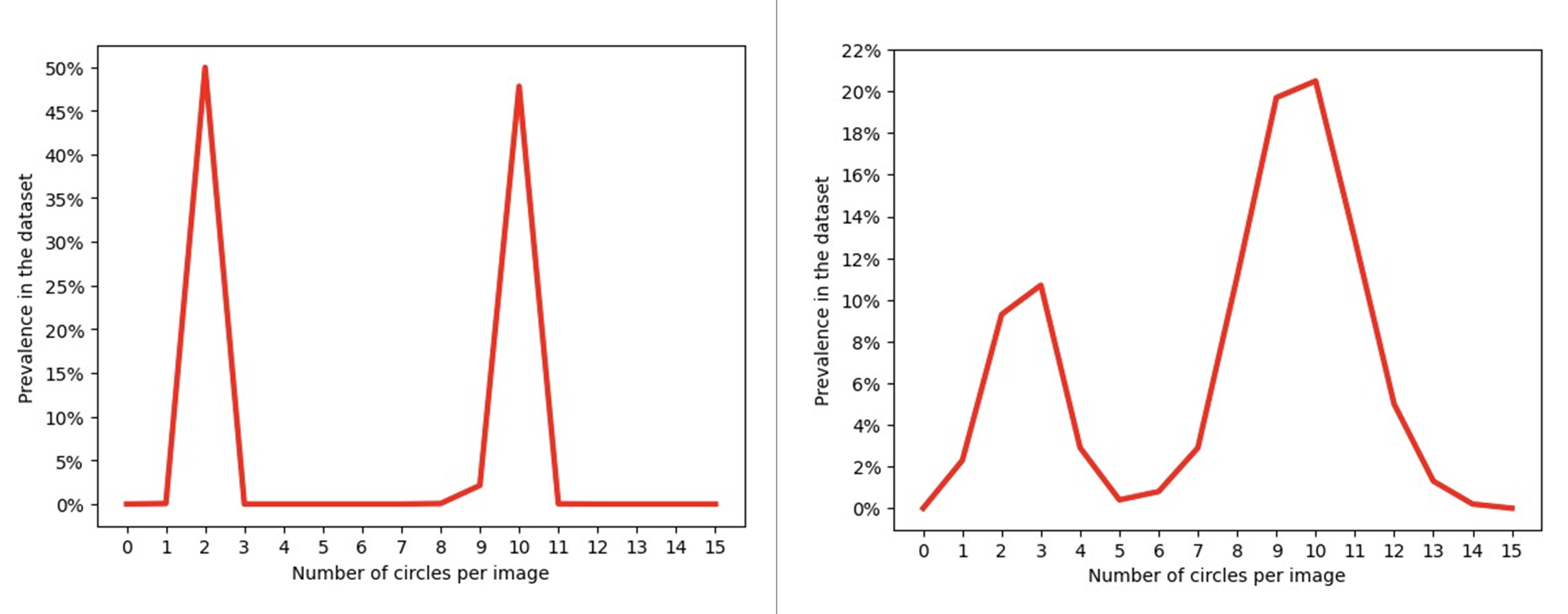
- 利用预训练 GenAI 模型(如 GPT-2、Stable Diffusion)的训练数据偏差,检测并按其在模型数据集中的频率对表达元素进行排序。
- 利用模型学习到的表征,识别在大量现有作品语料库中统计上常见的模式,以指示通用性。
- 应用基于频率的评分方法,量化给定表达元素的通用性程度——频率越高,原创性越低,版权保护越弱。
- 将这些通用性评分整合到法律推理中,通过与通用且不可保护的元素的相似性比较,评估 GenAI 输出是否侵犯受版权保护的作品。
- 避免使用僵化的二元过滤器或算法稳定性方法,转而使用数据驱动的偏差作为原创性的连续度量。
- 将 GenAI 模型的输出作为特定领域中构成常见、不可保护表达的文化共识的代理。
实验结果
研究问题
- RQ1如何系统性地利用 GenAI 模型识别并衡量受版权保护作品中表达元素的通用性?
- RQ2GenAI 模型中的数据驱动偏差在多大程度上可作为法律教义(如场景必不得已原则和思想/表达二分法)的可靠代理?
- RQ3从 GenAI 输出中得出的通用性评分能否提高版权侵权裁决的可预测性与公平性?
- RQ4此类评分如何影响版权局对人工智能生成作品的注册实践?
- RQ5依赖算法稳定性或输出过滤作为版权合规的二元解决方案存在哪些局限性?
主要发现
- GenAI 模型表现出反映其训练数据中表达元素频率的数据驱动偏差,从而能够识别出通用且不可保护的内容。
- 在训练数据分布中频率较高的元素,依据版权法更不可能受到保护,这与场景必不得已原则等法律原则一致。
- 所提出的方法避免了僵化过滤器或算法稳定性技术的缺陷,后者即使在输出是受保护作品的衍生品时也可能无法检测到侵权。
- 通用性评分提供了一种连续且可量化的原创性度量,可为司法判决提供依据,减少对常见表达模式的过度保护。
- 版权局可利用这些评分优化注册政策,仅对高度原创的人工智能生成作品提供保护,同时排除通用输出。
- 该方法通过将抽象教义建立在大规模生成模型的实证数据基础上,支持更细致的法律推理。
阅读本论文
在 Nubint 阅读器中打开原文,边读边就任意段落提问。
在 Nubint 中阅读本论文本解读由 AI 根据论文原文生成,引用前请核对原文。