
[论文解读] Predicting and Enhancing the Fairness of DNNs with the Curvature of Perceptual Manifolds
本文提出曲率正则化方法,通过平衡感知流形的曲率(即嵌入空间中表示类别特征的几何结构),以提升深度神经网络的公平性。通过最小化曲率不平衡,该方法降低了模型偏差,在长尾分布和平衡数据集上均实现了最先进性能,即使在非长尾数据上也实现了显著的准确率提升。
To address the challenges of long-tailed classification, researchers have proposed several approaches to reduce model bias, most of which assume that classes with few samples are weak classes. However, recent studies have shown that tail classes are not always hard to learn, and model bias has been observed on sample-balanced datasets, suggesting the existence of other factors that affect model bias. In this work, we first establish a geometric perspective for analyzing model fairness and then systematically propose a series of geometric measurements for perceptual manifolds in deep neural networks. Subsequently, we comprehensively explore the effect of the geometric characteristics of perceptual manifolds on classification difficulty and how learning shapes the geometric characteristics of perceptual manifolds. An unanticipated finding is that the correlation between the class accuracy and the separation degree of perceptual manifolds gradually decreases during training, while the negative correlation with the curvature gradually increases, implying that curvature imbalance leads to model bias.Building upon these observations, we propose curvature regularization to facilitate the model to learn curvature-balanced and flatter perceptual manifolds. Evaluations on multiple long-tailed and non-long-tailed datasets show the excellent performance and exciting generality of our approach, especially in achieving significant performance improvements based on current state-of-the-art techniques. Our work opens up a geometric analysis perspective on model bias and reminds researchers to pay attention to model bias on non-long-tailed and even sample-balanced datasets.
研究动机与目标
- 探究影响深度神经网络模型偏差的几何因素,超越类别样本频率的影响。
- 识别感知流形中的曲率不平衡作为分类偏差的关键驱动因素。
- 开发一种曲率正则化方法,以促进更平坦、更均衡的特征流形,从而提升公平性。
- 证明曲率正则化在长尾和样本均衡数据集上的通用性。
提出的方法
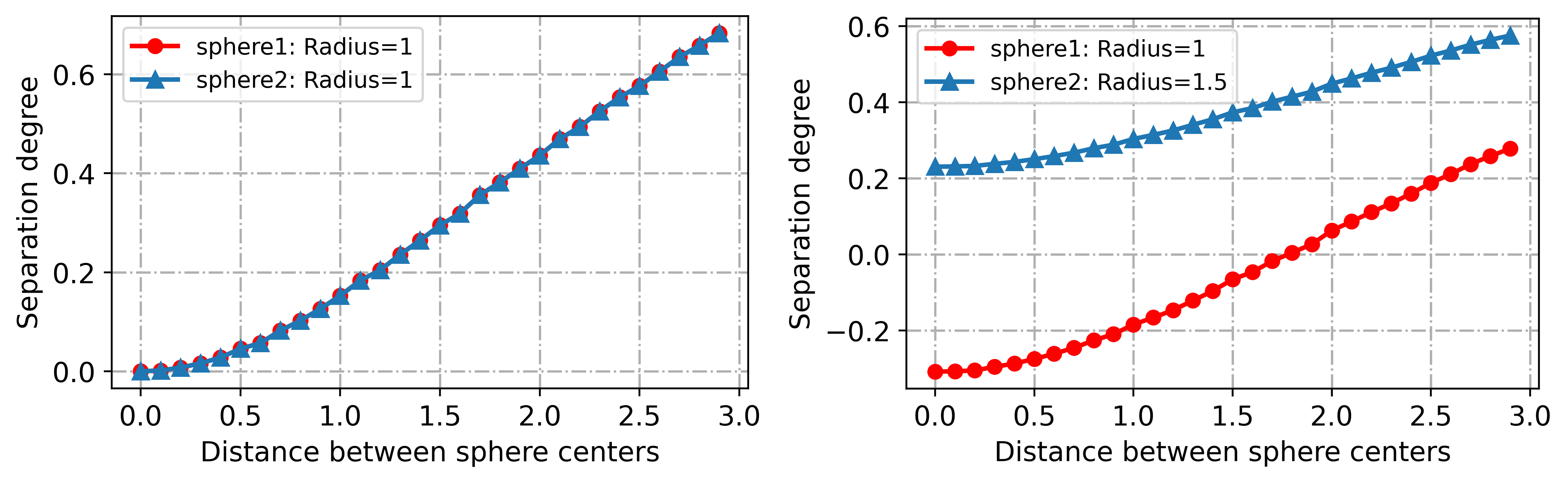
- 提出一系列用于感知流形的几何度量,包括分离度和平均高斯曲率。
- 将平均高斯曲率用作流形复杂度及其对分类难度影响的代理指标。
- 引入曲率正则化(CR),在训练过程中最小化各类之间曲率的方差。
- 将CR应用于标准交叉熵损失,实现端到端训练并提升几何平衡性。
- 利用训练后网络的特征提取计算真实数据集上的曲率与分离度指标。
- 在ResNet-18和VGG-16上对ImageNet-LT和CIFAR-100-LT进行消融实验与对比研究,验证方法有效性。
实验结果
研究问题
- RQ1即使在不存在长尾数据分布的情况下,感知流形中的曲率不平衡是否仍会导致模型偏差?
- RQ2在训练过程中,类别准确率与感知流形几何结构之间的相关性如何演变?
- RQ3曲率正则化是否能有效降低模型偏差,并在多样化数据分布下提升公平性?
- RQ4曲率正则化在最先进模型上,对长尾与平衡设置下的性能提升程度如何?
- RQ5曲率对分类难度的几何影响是否独立于样本频率和模型置信度?
主要发现
- 类别准确率与平均高斯曲率之间的负相关性在训练过程中增强,表明高曲率流形更容易发生误分类。
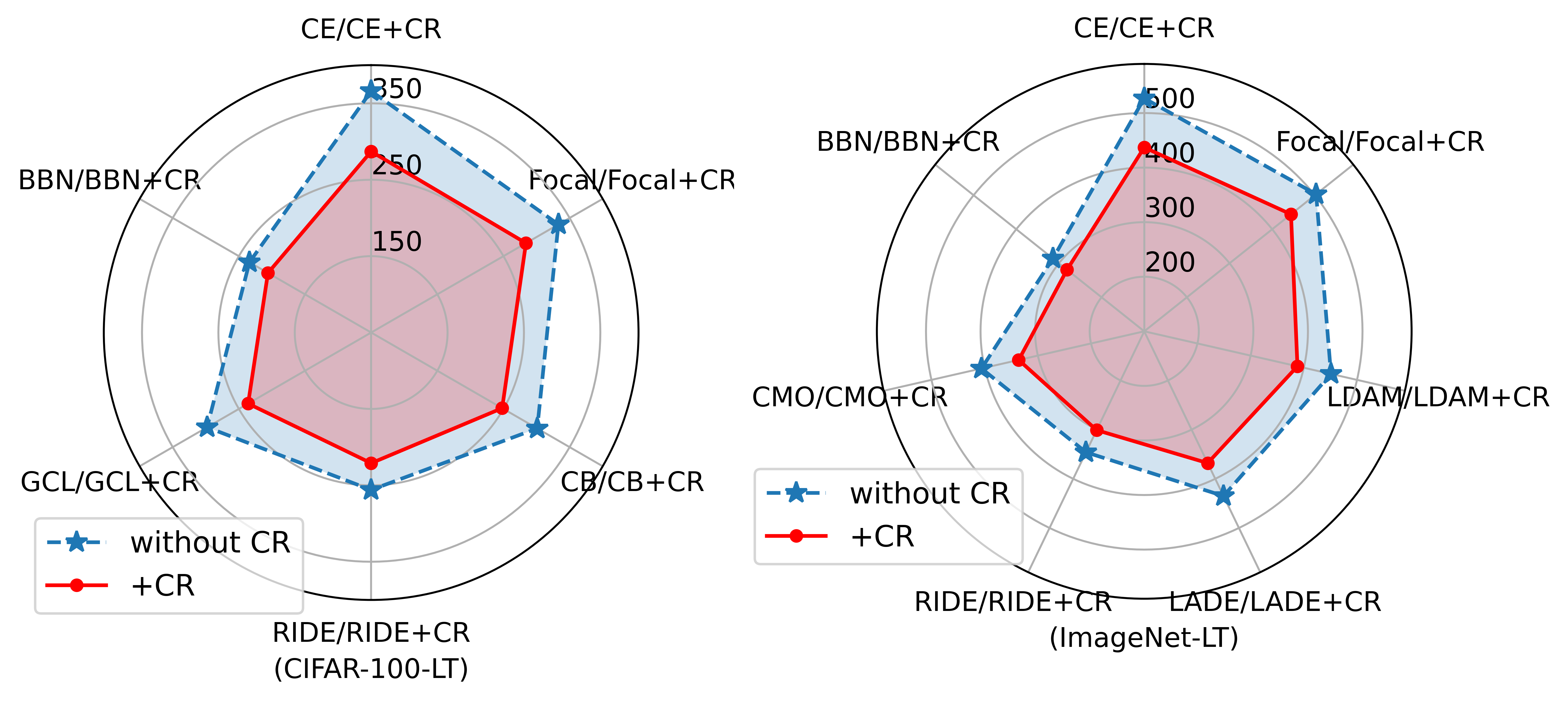
- 在ImageNet-LT上,曲率正则化使感知流形间曲率方差降低45%;在CIFAR-100-LT上降低50%,实现了更平坦、更均衡的流形。
- 在ImageNet上,曲率与类别准确率之间的皮尔逊相关系数从CE的-0.583降至CE + CR的-0.257,表明偏差显著降低。
- 在ImageNet-LT上,曲率正则化使平均准确率相比标准交叉熵损失提升2.1%,相比最先进基线模型提升1.3%。
- 该方法在非长尾数据集上也取得显著性能提升,证明其在长尾场景之外的通用性。
- 通过CR学习到的曲率均衡流形在所有类别上实现更均匀的性能表现,即使在平衡数据设置中亦然。
阅读本论文
在 Nubint 阅读器中打开原文,边读边就任意段落提问。
在 Nubint 中阅读本论文本解读由 AI 根据论文原文生成,引用前请核对原文。