
[论文解读] Present and Future of AI in Renewable Energy Domain : A Comprehensive Survey
对人工智能在可再生能源中的应用进行全面综述,涵盖预测、智能电网、网络安全以及未来研究方向。
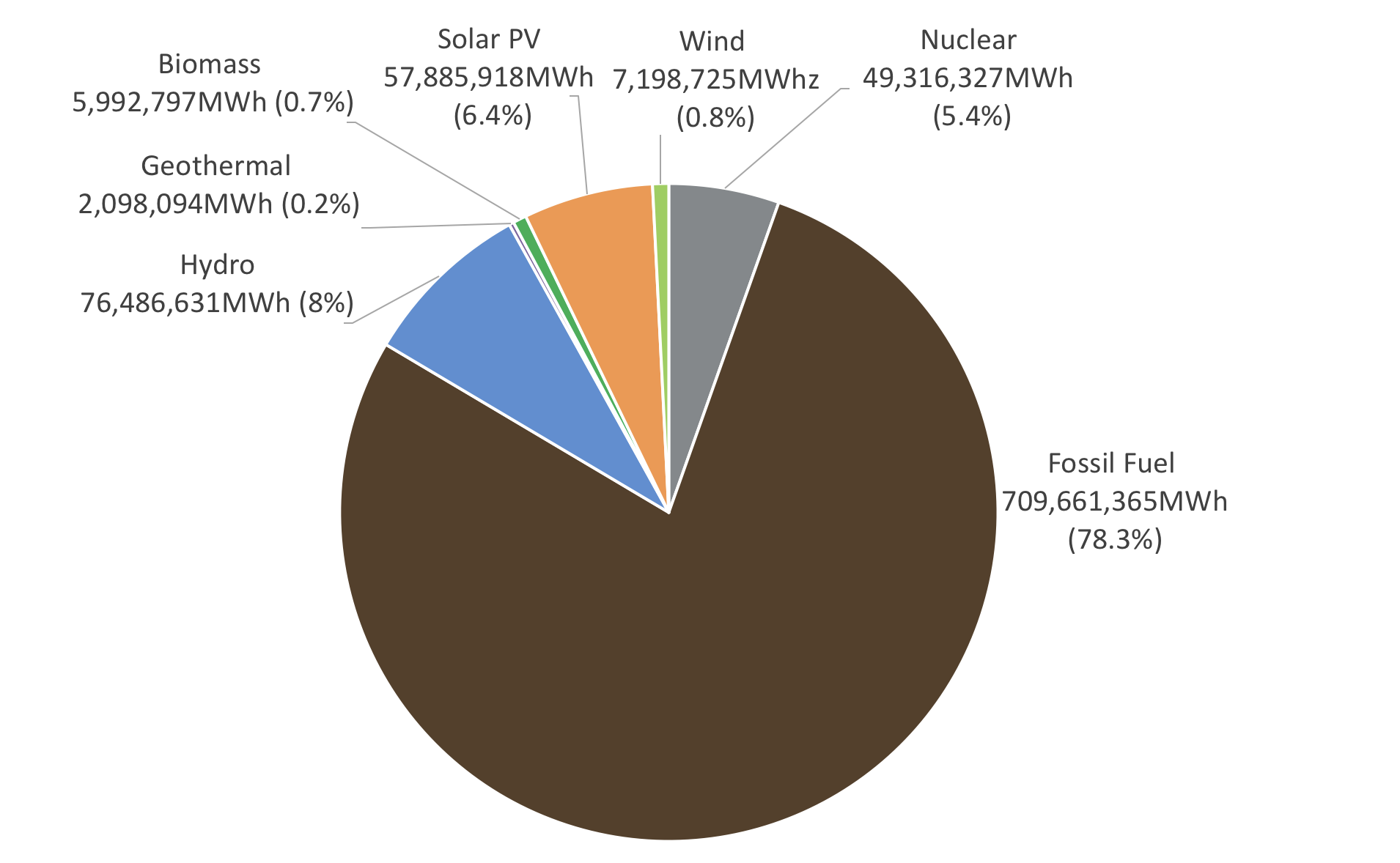
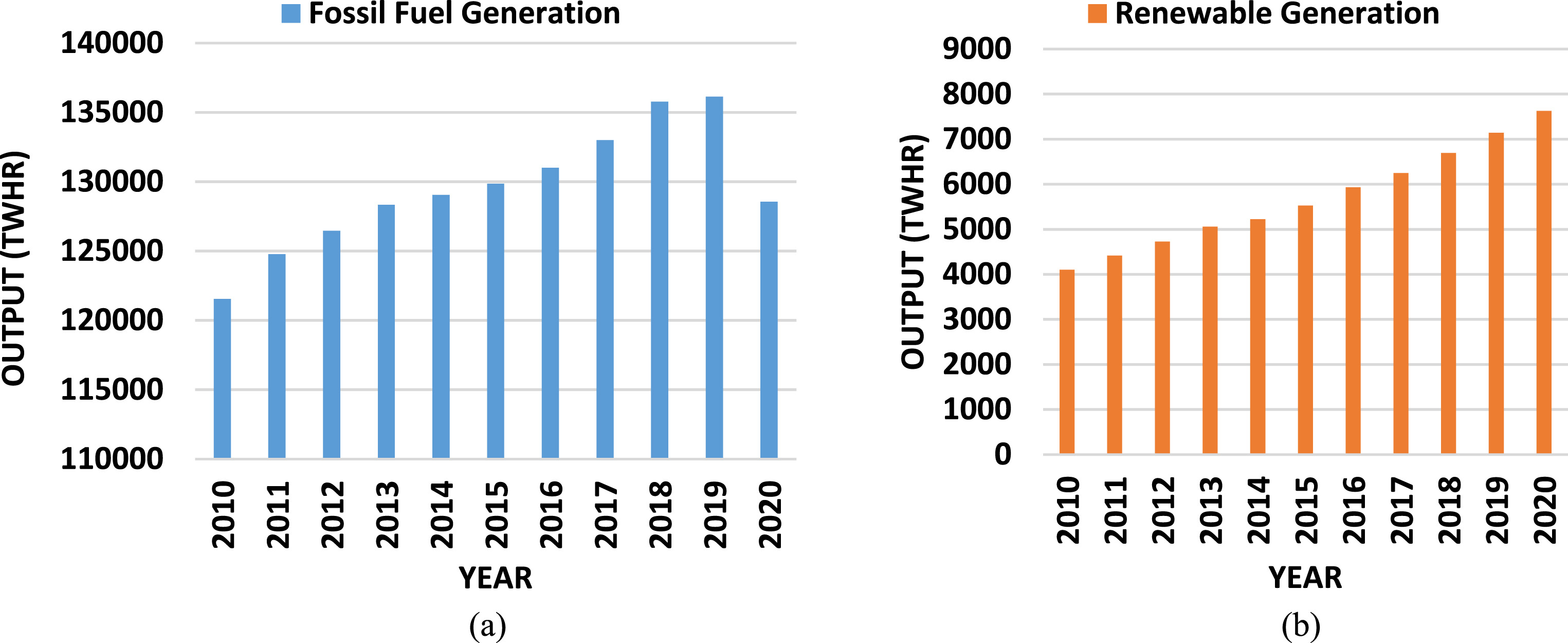
Artificial intelligence (AI) has become a crucial instrument for streamlining processes in various industries, including electrical power systems, as a result of recent digitalization. Algorithms for artificial intelligence are data-driven models that are based on statistical learning theory and are used as a tool to take use of the data that the power system and its users generate. Initially, we perform a thorough literature analysis of artificial intelligence (AI) applications related to renewable energy (RE). Next, we present a thorough analysis of renewable energy factories and assess their suitability, along with a list of the most widely used and appropriate AI algorithms. Nine AI-based strategies are identified here to assist Renewable Energy (RE) in contemporary power systems. This survey paper comprises an extensive review of the several AI techniques used for renewable energy as well as a methodical analysis of the literature for the study of various intelligent system application domains across different disciplines of renewable energy. This literature review identifies the performance and outcomes of nine different research methods by assessing them, and it aims to distill valuable insights into their strengths and limitations. This study also addressed three main topics: using AI technology for renewable power generation, utilizing AI for renewable energy forecasting, and optimizing energy systems. Additionally, it explored AI's superiority over conventional models in controllability, data handling, cyberattack prevention, smart grid implementation, robotics- AI's significance in shaping the future of the energy industry. Furthermore, this article outlines future directions in the integration of AI for renewable energy.
研究动机与目标
- 调查当前在可再生能源(RE)中的人工智能应用。
- 识别并分析现代电力系统中用于可再生能源的九种基于AI的策略。
- 提供一个框架,用于评估AI方法在预测、控制和智能电网领域的应用。
- 突出AI相对于传统模型的优势并概述未来的研究方向。
提出的方法
- 对可再生能源应用中的AI进行广泛的文献分析。
- 识别九种AI驱动的策略以在电力系统中支持可再生能源。
- 分析并比较用于预测与控制的AI技术(ML、DL)。
- 提出一个覆盖目标、应用、挑战和未来路径的综述框架。
- 讨论各研究中的性能指标和结果(例如 MAE、RMSE、accuracy)。
- 说明用于RE的代表性AI架构(例如 AB-Net、CNN-LSTM)。
实验结果
研究问题
- RQ1目前应用于可再生能源发电、预测和电网优化的AI技术有哪些?
- RQ2在准确性、可控性和鲁棒性方面,AI方法相较于传统模型在可再生能源应用中的表现如何?
- RQ3在可再生能源系统中部署AI的主要挑战和未来方向是什么?
主要发现
- AB-Net(自编码器 + BiLSTM)在太阳能与风能数据集上取得了优于 BiLSTM、CNN-BiLSTM 和编码器-解码器基线的 MAE、MSE 和 RMSE。
- 使用集成特征选择和 ML 方法(SVR、XGBoost、CatBoost、VOA)的太阳辐射预测显示精度提升,VOA在夏季和冬季数据集中的训练速度更快。
- 在可再生能源社区的局部风电预测中,使用ML和异常处理将准确度提升约10%,ENSEMBLE模型在E-Cloud数据上表现最佳。
- 用于瞬态稳定性检测的CNN-LSTM模型达到超过99%的准确度,并在计算时间上优于CNN和convLSTM方法。
- 使用ANN和GA的建筑能量优化实现约35%的能耗降低;基于TDNN的智能电网管理较非预测信息控制的收入提升了18.72%。
- 该综述讨论了重要挑战(数据质量、网络安全、数据隐私、基础设施)并概述了智能能源系统中AI应用的未来方向。
阅读本论文
在 Nubint 阅读器中打开原文,边读边就任意段落提问。
在 Nubint 中阅读本论文本解读由 AI 根据论文原文生成,引用前请核对原文。