
[论文解读] Quantum Computing in Logistics and Supply Chain Management an Overview
本文综述了量子计算如何解决物流与供应链管理中的复杂优化,强调量子退火和门基方法,并突出混合量子-经典解决方案及当前硬件限制。
The work explores the integration of quantum computing into logistics and supply chain management, emphasising its potential for use in complex optimisation problems. The discussion introduces quantum computing principles, focusing on quantum annealing and gate-based quantum computing, with the Quantum Approximate Optimisation Algorithm and Quantum Annealing as key algorithmic approaches. The paper provides an overview of quantum approaches to routing, logistic network design, fleet maintenance, cargo loading, prediction, and scheduling problems. Notably, most solutions in the literature are hybrid, combining quantum and classical computing. The conclusion highlights the early stage of quantum computing, emphasising its potential impact on logistics and supply chain optimisation. In the final overview, the literature is categorised, identifying quantum annealing dominance and a need for more research in prediction and machine learning is highlighted. The consensus is that quantum computing has great potential but faces current hardware limitations, necessitating further advancements for practical implementation.
研究动机与目标
- 推动量子计算在物流与供应链优化中的整合。
- 总结量子计算范式(门基与量子退火)及关键算法(QAOA、QA)。
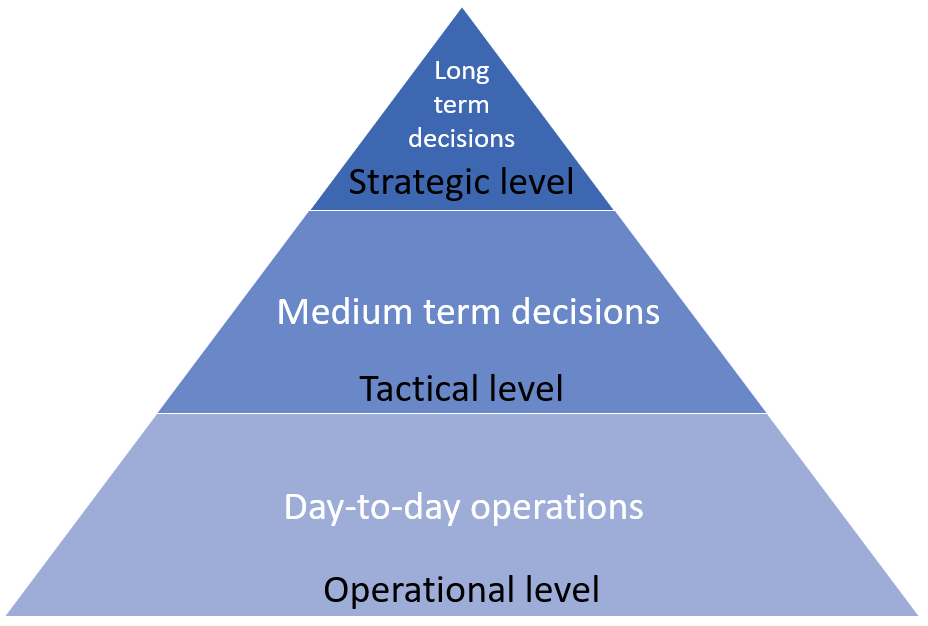
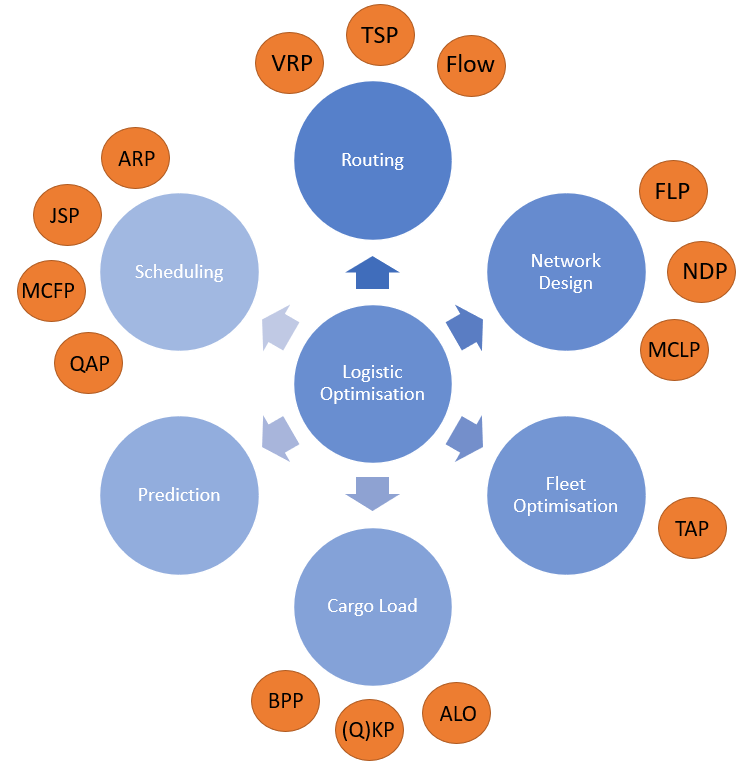
- 将量子方法映射到常见物流问题(路径优化、网络设计、车队管理、货物装载、预测、调度)。
- 评估文献趋势、实际可行性与研究盲点,为未来研究提供指导。
提出的方法
- 解释基本量子概念(叠加、纠缠、干涉、隧穿).
- 描述门基量子计算及用于对数据与问题进行编码的电路表示。
- 给出 QUBO/Ising 形式作为量子优化的标准输入。
- 解释量子退火与 D-Wave 方法及其挑战(参数、链强度、硬件限制)。
- 介绍 QAOA 作为门基、混合式的替代量子退火的组合优化问题的方法。
- 对六个物流问题领域的超过 80 篇论文进行文献综述,以识别趋势与空缺。
实验结果
研究问题
- RQ1量子计算范式如何应用于核心物流优化问题(路径、网络设计、车队、货物装载、预测、调度)?
- RQ2主导的量子方法有哪些(QA 与门基、QAOA),在可用性和当前硬件约束方面如何比较?
- RQ3阻碍实际量子驱动物流解决方案落地的实际限制与研究盲点是什么?
- RQ4混合量子-经典方法在当前文献中的主导程度到何种程度,它们在何处可能带来最大的优势?
- RQ5为推进物流与供应链管理中的量子计算,未来的研究方向有哪些建议?
主要发现
- 量子计算在解决物流中的组合优化问题方面具有潜在优势,重点是量子退火和 QAOA 作为关键方法。
- 大多数相关文献是混合型,将量子与经典计算技术结合。
- 量子退火,特别是通过 D-Wave,是主导方法,但面临硬件和参数调优的限制,如链强度和退火时间。
- QAOA 提供了一种门基、变分的替代方案,具有对噪声的潜在鲁棒性,但需要仔细的参数优化与问题编码。
- 文献将路径规划、网络设计、车队管理、货物装载、预测和调度确定为主要应用领域,强调多目标与动态优化;并呼吁在量子方法中加强对预测与机器学习的研究。
阅读本论文
在 Nubint 阅读器中打开原文,边读边就任意段落提问。
在 Nubint 中阅读本论文本解读由 AI 根据论文原文生成,引用前请核对原文。