
[论文解读] Review on Fault Diagnosis and Fault-Tolerant Control Scheme for Robotic Manipulators: Recent Advances in AI, Machine Learning, and Digital Twin
本综述通过整合人工智能(AI)、机器学习(ML)和数字孪生技术(DTT),综合分析了机器人机械臂在故障诊断与故障容错控制(FTC)方面的最新进展。文章全面探讨了基于AI/ML的故障检测、隔离与识别方法,展示了数字孪生如何实现实时监控、预测性维护和自主恢复,显著提升了工业及关键安全应用中的系统可靠性并减少了停机时间。
This comprehensive review article delves into the intricate realm of fault-tolerant control (FTC) schemes tailored for robotic manipulators. Our exploration spans the historical evolution of FTC, tracing its development over time, and meticulously examines the recent breakthroughs fueled by the synergistic integration of cutting-edge technologies such as artificial intelligence (AI), machine learning (ML), and digital twin technologies (DTT). The article places a particular emphasis on the transformative influence these contemporary trends exert on the landscape of robotic manipulator control and fault tolerance. By delving into the historical context, our aim is to provide a comprehensive understanding of the evolution of FTC schemes. This journey encompasses the transition from model-based and signal-based schemes to the role of sensors, setting the stage for an exploration of the present-day paradigm shift enabled by AI, ML, and DTT. The narrative unfolds as we dissect the intricate interplay between these advanced technologies and their applications in enhancing fault tolerance within the domain of robotic manipulators. Our review critically evaluates the impact of these advancements, shedding light on the novel methodologies, techniques, and applications that have emerged in recent times. The overarching goal of this article is to present a comprehensive perspective on the current state of fault diagnosis and fault-tolerant control within the context of robotic manipulators, positioning our exploration within the broader framework of AI, ML, and DTT advancements. Through a meticulous examination of both historical foundations and contemporary innovations, this review significantly contributes to the existing body of knowledge, offering valuable insights for researchers, practitioners, and enthusiasts navigating the dynamic landscape of robotic manipulator control.
研究动机与目标
- 分析从基于模型的方法到AI/ML驱动方法的机器人机械臂故障容错控制(FTC)方案的演变过程。
- 研究数字孪生技术(DTT)在实现实时故障诊断与自适应控制中的作用。
- 识别用于故障检测与隔离的关键AI和ML技术,例如深度神经网络、强化学习和支撑向量机。
- 评估物联网(IoT)、信号处理与混合控制策略(如MPC、反步法)在提升容错能力方面的集成效果。
- 突出下一代机器人系统中故障容错控制的新兴趋势,包括可解释人工智能(XAI)、边缘计算与可持续性。
提出的方法
- 本研究采用系统性文献综述方法,对2015至2024年间关于机器人机械臂FTC的近期研究成果进行分析,重点关注AI、ML与DTT的应用。
- 将故障诊断技术分类为基于信号的方法(如FFT、DWT、希尔伯特变换)、基于模型的方法(如LMI、观测器设计)以及数据驱动的方法(如ANN、SVM、RNN、CNN)。
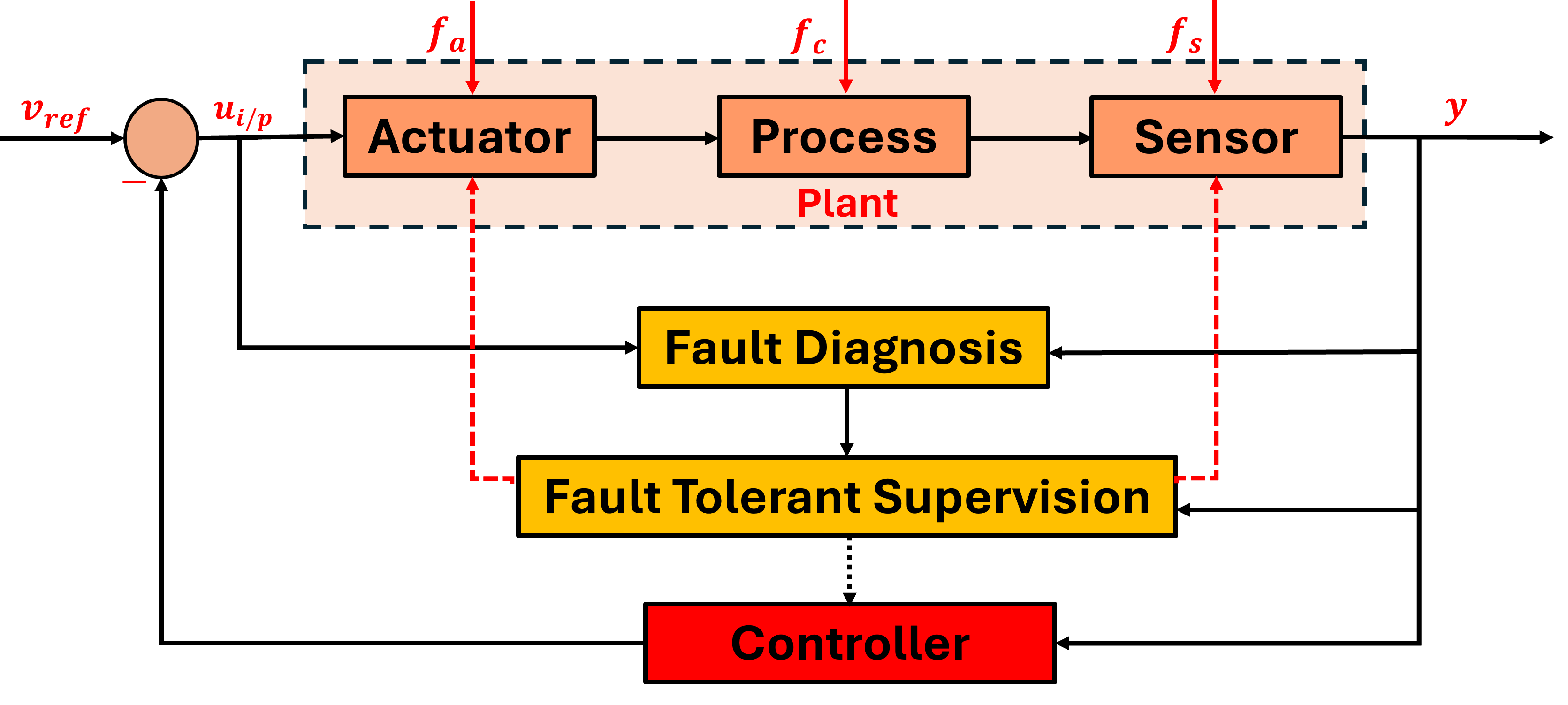
- 通过实时数据流、仿真模型与反馈回路分析数字孪生的集成,以镜像物理机械臂的状态。
- 评估先进控制策略,如自适应类型-2模糊反步法(AFT2BC)、基于李雅普诺夫的模型预测控制(LMPC)以及深度强化学习(DRL),用于故障恢复。
- 框架结合故障检测、隔离与识别(FDI)与重构策略,以确保系统实现平稳降级或自主恢复。
- 关键组件包括用于异常检测的自编码器(AE),用于表征学习的受限/深度玻尔兹曼机(RBM/DBM),以及用于不确定性处理的混合模型(如TS-卡尔曼滤波器)。
实验结果
研究问题
- RQ1相较于传统基于模型的方法,AI与机器学习技术在机器人机械臂故障诊断与故障容错控制方面带来了哪些变革?
- RQ2数字孪生技术在实现机器人系统实时监控、预测性维护与自主故障恢复中发挥何种作用?
- RQ3哪些AI/ML模型(如CNN、RNN、DRL)在不同工况下对机器人机械臂的故障检测与隔离表现出更优性能?
- RQ4结合模型预测控制(MPC)与基于学习的方法的混合控制策略如何提升容错能力与系统稳定性?
- RQ5FTC领域面临的新兴挑战与未来方向有哪些,包括可解释性、边缘部署与能效优化?
主要发现
- 与经典信号处理相比,深度神经网络(DNN)、卷积神经网络(CNN)和支持向量机(SVM)等AI/ML技术显著提升了故障检测的准确性并降低了误报率。
- 数字孪生技术能够实现实时模拟机械臂动力学,支持预测性故障诊断与预判性系统重构。
- 强化学习(RL)与深度强化学习(DRL)在自适应控制重构方面展现出强大潜力,可实现对执行器或传感器故障的自主恢复。
- 混合方法如AFT2BC与基于LMPC的控制器在不确定性条件下确保系统稳定与鲁棒性,并通过李雅普诺夫分析保证收敛性。
- 将数字孪生与物联网(IoT)及边缘计算相结合,可在工业自动化环境中实现低延迟、可扩展的故障诊断。
- 新兴趋势如可解释人工智能(XAI)与跨领域知识迁移有望提升不同机器人平台间FTC系统的透明度与泛化能力。
阅读本论文
在 Nubint 阅读器中打开原文,边读边就任意段落提问。
在 Nubint 中阅读本论文本解读由 AI 根据论文原文生成,引用前请核对原文。