
[论文解读] Service Level Agreements and Security SLA: A Comprehensive Survey
本综述对服务等级协议(SLAs)和安全服务等级协议(SecSLA)进行了全面分析,提出了一种基于生命周期的新型分类方法,以组织2017–2023年间的相关研究。研究识别出将可度量的安全与隐私指标整合入SLA中的关键挑战,指出实时监控和法律可执行性等领域的研究尚不充分,并呼吁制定标准化的关键绩效指标(KPI),以提升云环境和物联网(IoT)中的信任度与合规性。
A Service Level Agreement (SLA) is a formal contract between a service provider and a consumer, representing a crucial instrument to define, manage, and maintain relationships between these two parties. The SLA's ability to define the Quality of Service (QoS) expectations, standards, and accountability helps to deliver high-quality services and increase client confidence in disparate application domains, such as Cloud computing and the Internet of Things. An open research direction in this context is related to the possible integration of new metrics to address the security and privacy aspects of services, thus providing protection of sensitive information, mitigating risks, and building trust. This survey paper identifies state of the art covering concepts, approaches, and open problems of SLA management with a distinctive and original focus on the recent development of Security SLA (SecSLA). It contributes by carrying out a comprehensive review and covering the gap between the analyses proposed in existing surveys and the most recent literature on this topic, spanning from 2017 to 2023. Moreover, it proposes a novel classification criterium to organize the analysis based on SLA life cycle phases. This original point of view can help both academics and industrial practitioners to understand and properly locate existing contributions in the advancement of the different aspects of SLA technology. The present work highlights the importance of the covered topics and the need for new research improvements to tackle present and demanding challenges.
研究动机与目标
- 为应对云计算和物联网等动态环境中对安全且保护隐私的服务合同日益增长的需求。
- 识别在SLA中整合可度量的安全与隐私指标方面的研究空白,尤其鉴于缺乏标准化与可执行性。
- 提出一种系统性的、基于生命周期的SLA研究分类方法,以改善对现有研究成果的理解与导航。
- 评估SecSLA研究的成熟度,并突出实时适应与法律可执行性等尚未充分探索的领域。
- 通过识别SLA与SecSLA管理中的开放性挑战与未来方向,为未来研究提供指导。
提出的方法
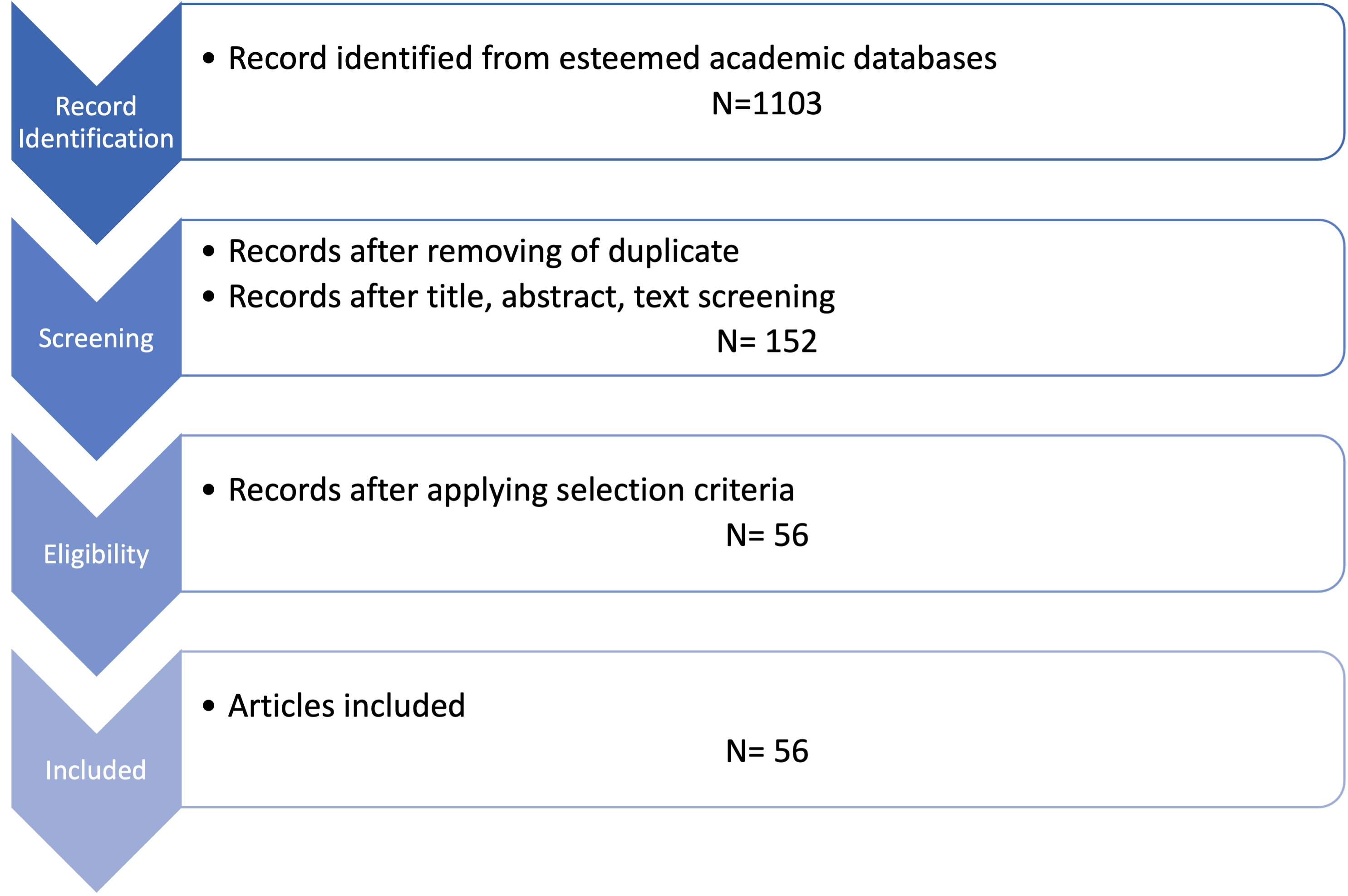
- 对2017–2023年间顶级会议、期刊及研讨会中SLA与SecSLA领域共56篇近期论文开展系统性文献综述。
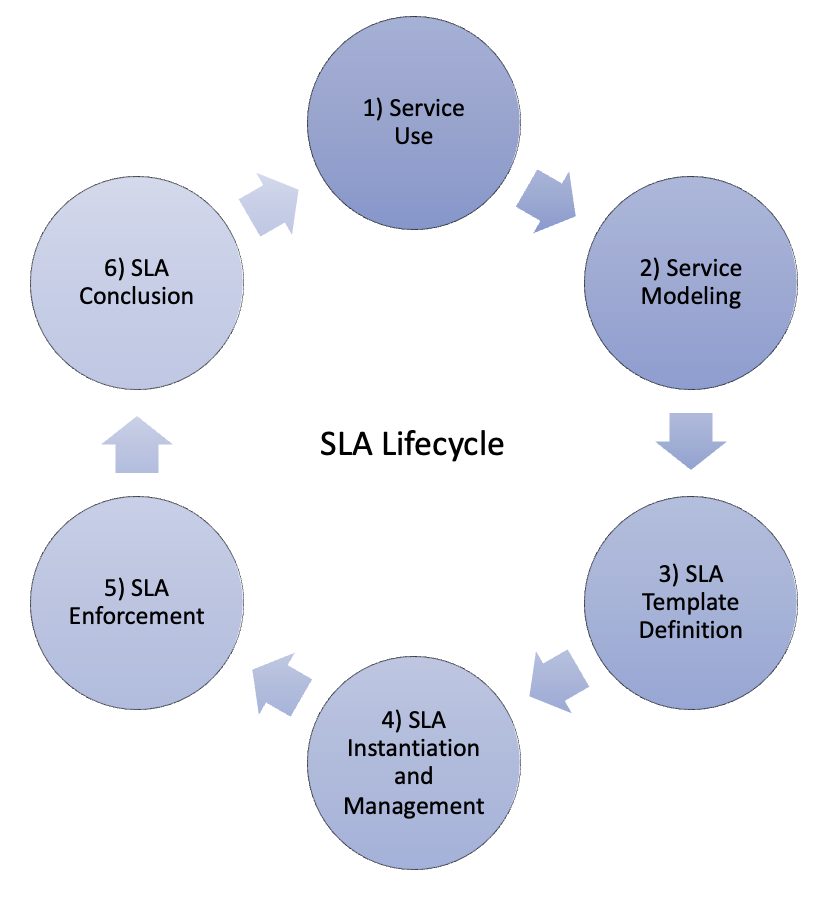
- 基于SLA生命周期提出一种新型分类框架:建模、协商、监控/违规,以及安全与隐私集成。
- 分析各生命周期阶段的贡献,以描绘随时间推移的趋势、技术与研究重点。
- 通过量化各主题的出版物分布并识别代表性不足的领域,评估SecSLA研究的成熟度。
- 结合定量分析(如16%的论文涉及安全与隐私SLA)与定性综合,评估研究趋势与空白。
- 借鉴现有标准与报告(如欧洲委员会报告)以确保生命周期模型建立在既有的框架基础之上。
实验结果
研究问题
- RQ1在云和物联网等不同应用领域中,SLA目前是如何建模、协商、监控与执行的?
- RQ2在SLA中定义与度量安全与隐私指标的关键挑战是什么?为何这些指标难以标准化?
- RQ32017年至2023年间,安全SLA的研究重点如何演变?该领域的主要方法有哪些?
- RQ4SLA管理中的主要开放问题是什么,特别是针对实时适应、法律可执行性以及在动态环境中的可扩展性?
- RQ5为弥合理论SLA模型与工业级安全、可信服务交付之间的差距,未来研究应朝哪些方向推进?
主要发现
- 在所审查的56篇论文中,32%聚焦于SLA协商,32%关注监控/违规,表明研究对运行时管理具有浓厚兴趣。
- 仅16%的文献涉及安全与隐私SLA,且呈下降趋势——近三年已降至6%,凸显该关键领域的研究尚不充分。
- 由于缺乏普遍接受的关键绩效指标(KPI)以及云与物联网环境的动态特性,将可度量的安全指标整合入SLA仍面临重大挑战。
- 国际或多方参与的SLA中仍存在法律与合同上的模糊性,限制了其在不同司法管辖区的可执行性与信任度。
- 实时SLA自适应与动态协商机制仍处于发展初期,尤其在面向工业5.0及高度可扩展的物联网用例中更为不足。
- 现有的安全合规认证体系尚处早期阶段,且监管要求与基于SLA的保障机制之间缺乏充分对齐。
阅读本论文
在 Nubint 阅读器中打开原文,边读边就任意段落提问。
在 Nubint 中阅读本论文本解读由 AI 根据论文原文生成,引用前请核对原文。