
[论文解读] Stop Words for Processing Software Engineering Documents: Do they Matter?
本研究探讨了在软件工程(SE)文本处理中去除停用词的影响,表明基于10,000道Stack Overflow问题语料库,使用TF-IDF和泊松分布方法生成的领域特定停用词列表,显著优于通用停用词列表。在三个可复现的SE工具中,SE特定列表在19项评估指标中的17项上提升了性能,证明了上下文感知的停用词选择能显著提升软件工程场景下NLP的有效性。
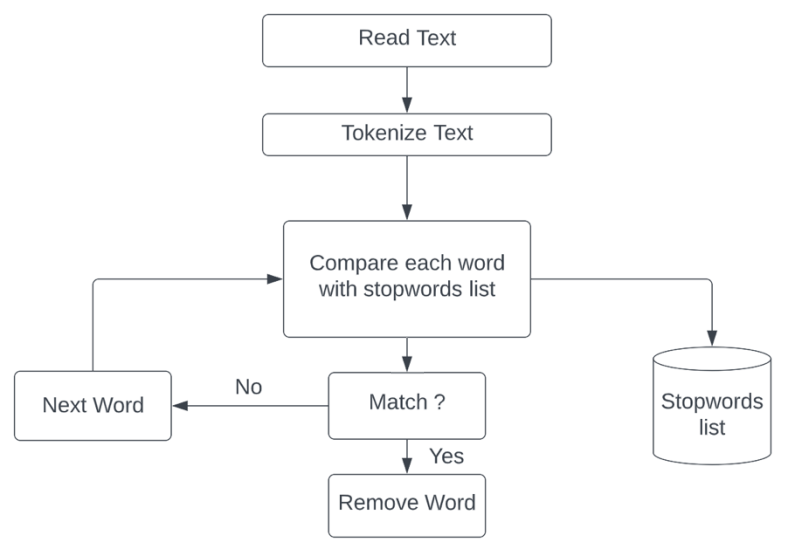
Stop words, which are considered non-predictive, are often eliminated in natural language processing tasks. However, the definition of uninformative vocabulary is vague, so most algorithms use general knowledge-based stop lists to remove stop words. There is an ongoing debate among academics about the usefulness of stop word elimination, especially in domain-specific settings. In this work, we investigate the usefulness of stop word removal in a software engineering context. To do this, we replicate and experiment with three software engineering research tools from related work. Additionally, we construct a corpus of software engineering domain-related text from 10,000 Stack Overflow questions and identify 200 domain-specific stop words using traditional information-theoretic methods. Our results show that the use of domain-specific stop words significantly improved the performance of research tools compared to the use of a general stop list and that 17 out of 19 evaluation measures showed better performance. Online appendix: https://zenodo.org/record/7865748
研究动机与目标
- 评估从通用停用词列表中去除停用词是否能提升现有软件工程(SE)研究工具的性能。
- 探究从SE特定语料库中提取的停用词列表是否能相比通用或非SE领域列表,提升下游SE NLP任务的性能。
- 利用信息论方法在大规模SE语料库上识别并验证领域特定的停用词。
- 提供证据表明,盲目使用标准停用词列表可能损害模型性能,且在SE文本处理中,上下文感知的停用词选择至关重要。
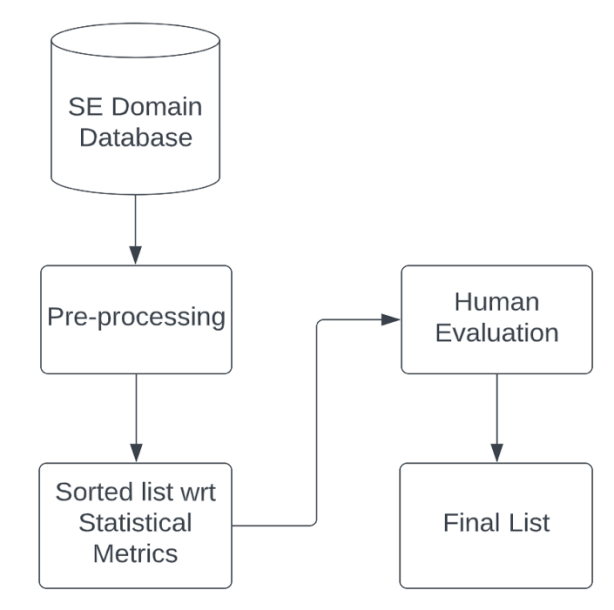
提出的方法
- 使用相同数据和评估指标,复现了三个现有的SE研究工具,以评估停用词去除的影响。
- 构建了一个包含10,000个Stack Overflow问题的领域特定语料库,以提取与SE相关的停用词。
- 应用两种信息论方法——TF-IDF和泊松分布——从SE语料库中识别停用词。
- 生成多种停用词列表:通用(NLTK)、技术领域和SE领域特定(通过TF-IDF和泊松方法)。
- 使用每种停用词列表对相同文本数据进行预处理,并在19项评估指标上测量性能变化。
- 对所有停用词列表进行对比分析,以评估其在下游NLP任务中的相对性能。
实验结果
研究问题
- RQ1RQ1:从通用停用词列表中去除停用词是否能提升先前发表的软件工程研究工具的性能?
- RQ2RQ2:能否从软件工程领域语料库中生成的停用词列表,积极影响其领域内的下游任务?
- RQ3RQ3:SE领域特定停用词列表与通用或非SE领域停用词列表相比,在性能影响方面如何?
- RQ4RQ4:在SE领域中,生成停用词列表的最佳规模和方法是什么?
主要发现
- 使用TF-IDF生成的SE领域特定停用词列表在19项评估指标中的17项上提升了性能,显著优于通用停用词列表。
- 基于TF-IDF的SE停用词列表在Query 5上的AUC达到0.602,相较于原始模型的0.561,显示出可测量的性能提升。
- 通用停用词列表(包括广泛使用的NLTK列表)效果不一——部分指标有所提升,但另一些指标则下降,例如在某一工具中降低了召回率。
- 小型通用停用词列表(174个词)的表现优于更大的列表,表明列表大小具有重要影响,且更大的列表可能包含不相关的词汇。
- 从非SE语料库(如技术领域)中提取的停用词列表表现劣于通用列表,表明即使相关领域也可能不适用于SE文本。
- 本研究发现,若不考虑领域上下文而直接去除停用词,可能损害模型性能,凸显了在SE NLP任务中进行上下文感知停用词选择的必要性。
阅读本论文
在 Nubint 阅读器中打开原文,边读边就任意段落提问。
在 Nubint 中阅读本论文本解读由 AI 根据论文原文生成,引用前请核对原文。