
[论文解读] Systematic Literature Review of Commercial Participation in Open Source Software
本篇系统性文献回顾综合分析了92项关于开源软件(OSS)中商业参与的研究,识别出三个核心维度:动机(经济、技术、社会)、贡献模式以及对OSS开发的影响。研究发现,企业参与主要受战略利益驱动,影响社区动态,并显著影响项目可持续性与创新。
Open source software (OSS) has been playing a fundamental role in not only information technology but also our social lives. Attracted by various advantages of OSS, increasing commercial companies take extensive participation in open source development and have had a broad impact. This paper provides a comprehensive systematic literature review (SLR) of existing research on company participation in OSS. We collected 92 papers and organized them based on their research topics, which cover three main directions, i.e., participation motivation, contribution model, and impact on OSS development. We found the explored motivations of companies are mainly from economic, technological, and social aspects. Existing studies categorize companies' contribution models in OSS projects mainly through their objectives and how they shape OSS communities. Researchers also explored how commercial participation affects OSS development. We conclude with research challenges and promising research directions on commercial participation in OSS. This study contributes to a comprehensive understanding of commercial participation in OSS development.
研究动机与目标
- 为解决当前缺乏对开源软件(OSS)中商业参与研究的全面、最新综合分析的问题。
- 识别并分类企业参与OSS项目的主要动机。
- 研究企业如何在OSS社区中建模其参与方式,以及影响这些模式的因素。
- 评估商业参与对OSS开发、可持续性及社区健康的影响。
- 为研究人员、实践者及OSS社区提供结构化、基于证据的参考。
提出的方法
- 使用ACM Digital Library、IEEE Xplore、Scopus和Google Scholar进行系统性文献回顾(SLR),辅以滚雪球法。
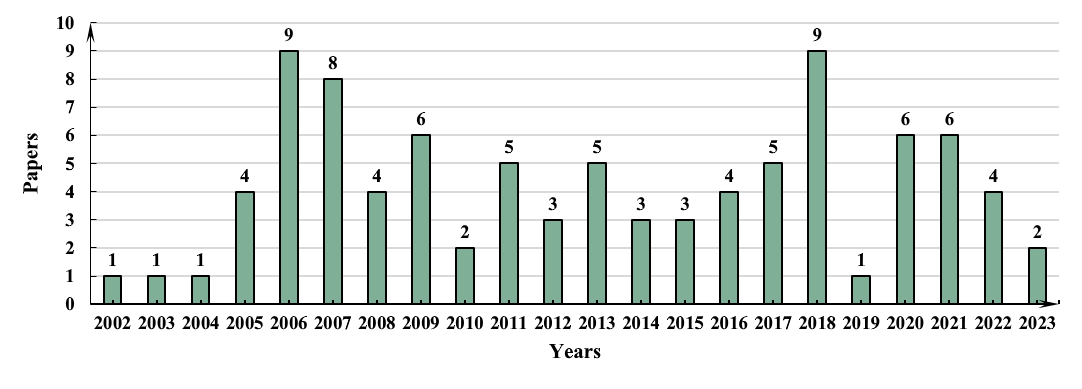
- 应用纳入/排除标准,从51个期刊与会议中筛选出2002年至2023年间发表的92篇相关论文。
- 根据研究主题将论文划分为三大主题维度:动机、贡献模式以及对OSS开发的影响。
- 对全文进行定性综合与主题分析,提取并组织有关企业动机、参与模式及影响的发现。
- 运用可视化技术呈现出版趋势、期刊分布及方法论路径。
- 制定详细的综述协议,以减少主观性,并确保论文筛选与数据提取过程的可复现性。

实验结果
研究问题
- RQ1驱动企业参与开源软件项目的主要动机是什么?
- RQ2企业如何在OSS社区中建模其参与方式?哪些因素塑造了这些模式?
- RQ3商业参与对OSS开发、社区动态及项目可持续性产生了哪些可衡量的影响?
主要发现
- 企业参与OSS的主要动机是经济利益,如降低成本、拓展市场及提升创新能力。
- 技术动机包括提升软件质量、加快开发周期,以及获取高技能开发者与前沿技术。
- 社会动机包括提升企业声誉、构建开发者生态系统,以及参与行业标准制定。
- 贡献模式主要由企业的战略目标决定,部分企业聚焦功能开发,另一些则侧重基础设施或安全贡献。
- 商业参与显著增加了代码量——例如,OpenStack代码库中超过90%的代码由企业贡献,凸显其在大型项目中的主导角色。
- 尽管商业参与加速了项目发展,但如果企业退出或过度主导项目方向,也可能对社区自主性与长期可持续性构成风险。
阅读本论文
在 Nubint 阅读器中打开原文,边读边就任意段落提问。
在 Nubint 中阅读本论文本解读由 AI 根据论文原文生成,引用前请核对原文。