
[论文解读] Type-II Saddles and Probabilistic Stability of Stochastic Gradient Descent
本文引入了概率稳定性——即模型参数以概率收敛至解——作为理解深度学习中随机梯度下降(SGD)的新框架。通过将该稳定性与优化动力学的李雅普诺夫指数相联系,作者揭示了SGD表现出不同的学习阶段,包括在噪声下选择低秩鞍点,这比基于方差的稳定性准则更能解释泛化性能。
Characterizing and understanding the dynamics of stochastic gradient descent (SGD) around saddle points remains an open problem. We first show that saddle points in neural networks can be divided into two types, among which the Type-II saddles are especially difficult to escape from because the gradient noise vanishes at the saddle. The dynamics of SGD around these saddles are thus to leading order described by a random matrix product process, and it is thus natural to study the dynamics of SGD around these saddles using the notion of probabilistic stability and the related Lyapunov exponent. Theoretically, we link the study of SGD dynamics to well-known concepts in ergodic theory, which we leverage to show that saddle points can be either attractive or repulsive for SGD, and its dynamics can be classified into four different phases, depending on the signal-to-noise ratio in the gradient close to the saddle.
研究动机与目标
- 解决基于方差的稳定性定义在解释SGD泛化性能方面的局限性。
- 提出一种基于参数以概率收敛至解的新稳定性准则——概率稳定性。
- 利用李雅普诺夫指数表征神经网络损失曲面中SGD的相图。
- 阐明SGD的算法正则化与梯度下降的根本差异。
- 解释为何SGD更倾向于某些解(如低秩鞍点),而非更平坦的极小值,尽管后者在理论上具有更好的泛化优势。
提出的方法
- 采用概率收敛重新定义稳定性:若当 t → ∞ 时,P(||θₜ − θ*|| < ε) → 1,则参数序列 θₜ 在 θ* 处是概率稳定的。
- 分析驻点附近的线性化动力学:θₜ₊₁ = θₜ − λĤ(x)(θₜ − θ*) + O(||θₜ − θ*||²),其中 Ĥ(x) 是一个随机的黑塞类似矩阵。
- 将概率稳定性与随机动力系统的李雅普诺夫指数相联系,后者是控制理论与动力系统中的标准度量。
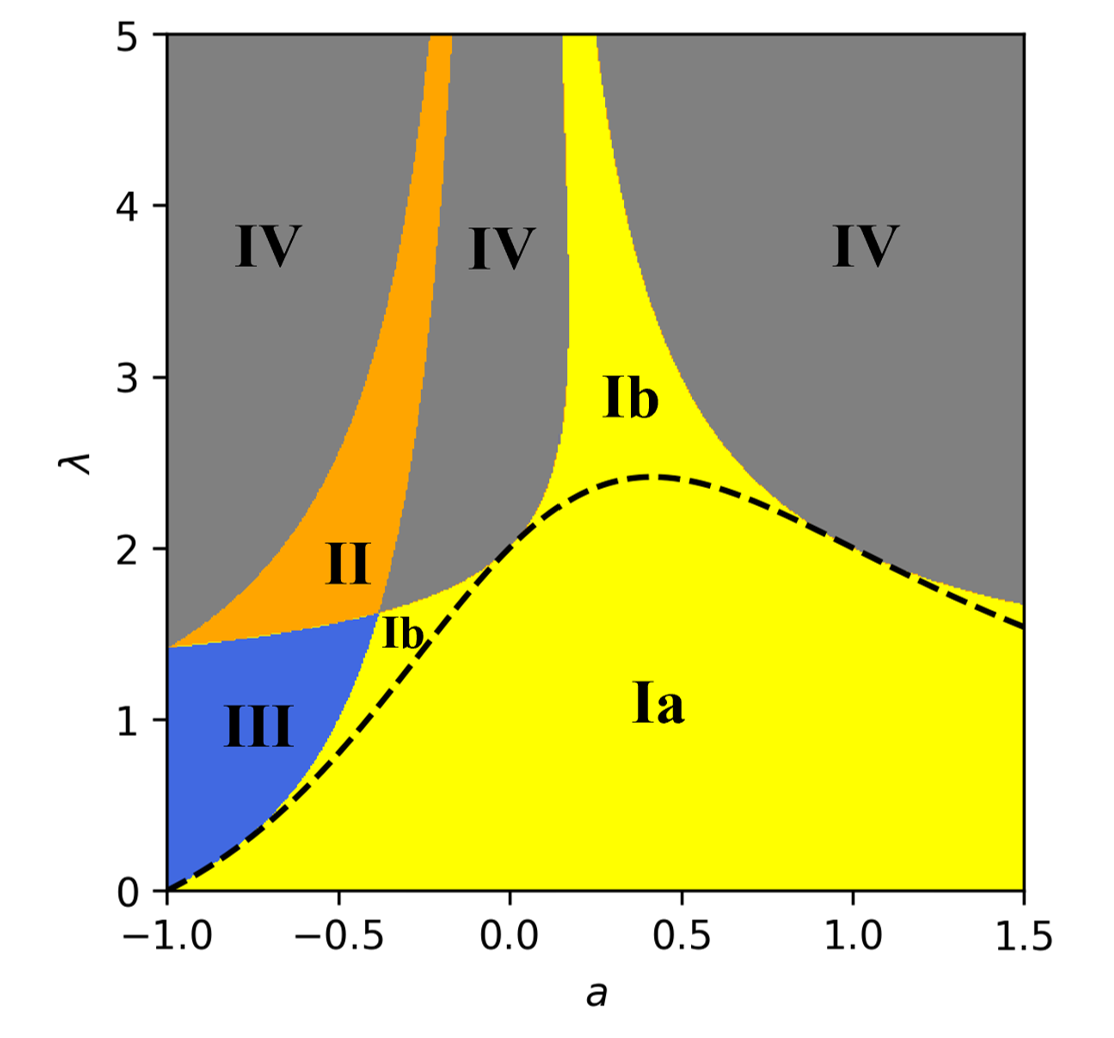
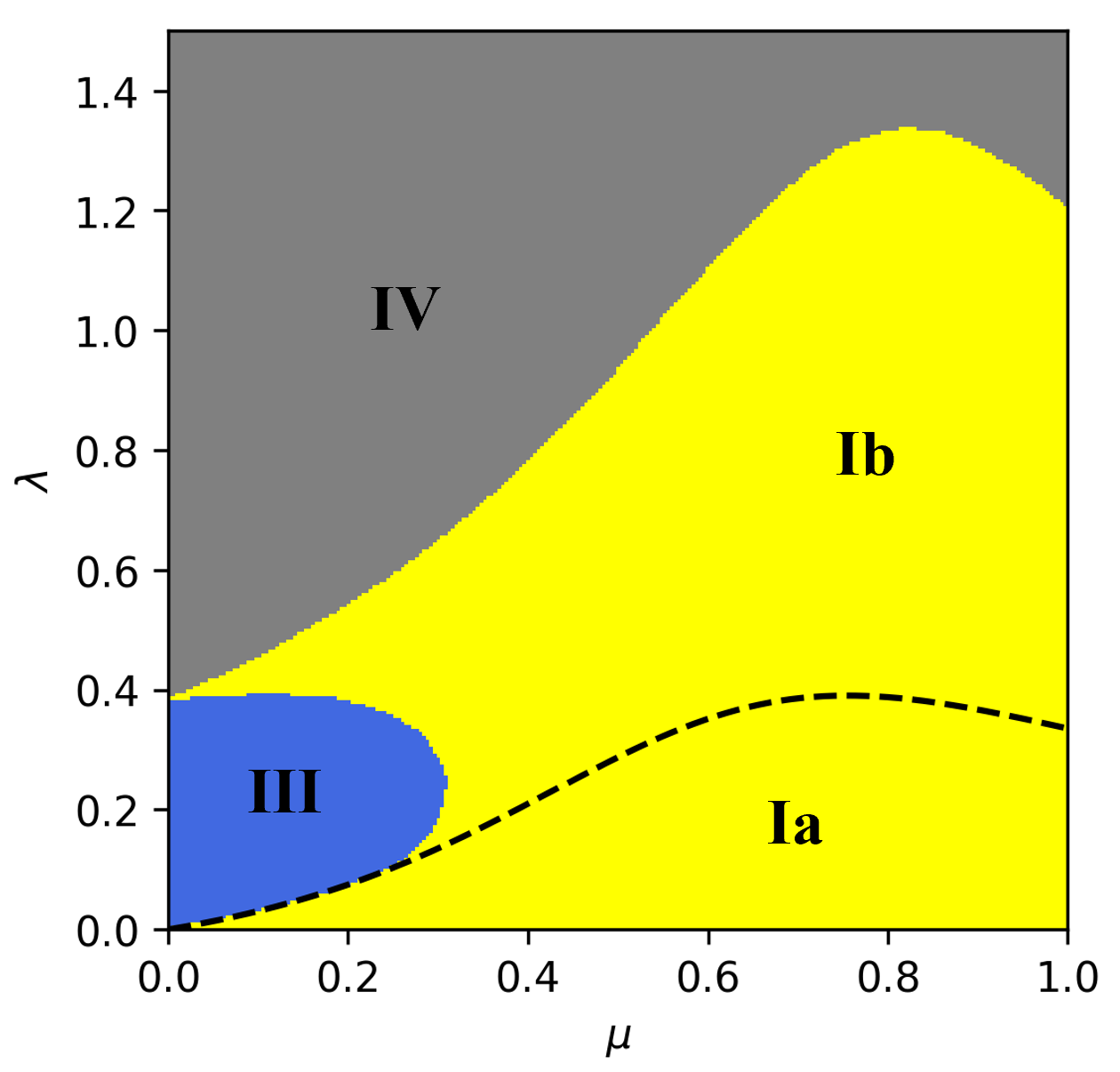
- 利用李雅普诺夫指数量化稳定性边界,并识别出不同的学习阶段:完全不稳定、错误学习(捕获错误相关性)、收敛至低秩鞍点、正确学习(捕获真实数据相关性)。
- 采用具有swish激活函数的最小两层ReLU类网络,通过实验验证在不同学习率下泛化性能的预测结果。
- 将概率稳定性的预测与传统L₂稳定性的预测进行比较,显示其与实验结果的更高一致性。
实验结果
研究问题
- RQ1为何SGD在参数更新方差发散的情况下仍能实现良好泛化?
- RQ2我们如何定义一种更准确的SGD稳定性概念,以捕捉其经验行为?
- RQ3李雅普诺夫指数在表征深度学习中SGD动力学稳定性方面发挥什么作用?
- RQ4为何SGD更倾向于低秩鞍点而非更平坦的极小值,即使后者被认为泛化性能更优?
- RQ5学习率与批量大小如何影响SGD中不同学习阶段之间的转换?
主要发现
- 基于概率收敛定义的概率稳定性,比基于方差的L₂稳定性更能准确捕捉SGD的行为,尤其是在大学习率和小批量设置下。
- 临界点附近线性化动力学的李雅普诺夫指数决定了SGD的稳定性阶段,从而可精确量化相边界。
- SGD表现出四个不同的学习阶段:完全不稳定、错误学习(捕获错误相关性)、收敛至低秩鞍点、正确学习(捕获真实数据相关性)。
- 在一个双神经元swish网络中,概率稳定性正确预测了随着学习率增加,系统从解A过渡至鞍点C,与实验结果一致;而L₂稳定性无法预测正确的过渡点和性能水平。
- 当从更平坦的极小值(解B)初始化时,概率稳定性预测出两阶段过渡:首先停留在B,然后在中等学习率下跃迁至鞍点C,随后发散——与经验性能曲线一致。
- 该理论表明,SGD的隐式偏差与GD根本不同:它在极小值与鞍点之间进行选择,而非基于平坦度,且在梯度噪声较大时更倾向于低秩鞍点。
阅读本论文
在 Nubint 阅读器中打开原文,边读边就任意段落提问。
在 Nubint 中阅读本论文本解读由 AI 根据论文原文生成,引用前请核对原文。