
[论文解读] VisionGPT: Vision-Language Understanding Agent Using Generalized Multimodal Framework
VisionGPT 是一个视觉-语言理解智能体,利用大型语言模型(LLMs)作为核心控制器,协调最先进的视觉基础模型,实现复杂视觉任务的自动化、多步骤推理。它通过将用户请求分解为行动方案、选择合适的模型并整合其输出,实现了文本条件下的图像理解、生成和编辑的端到端执行,在多种视觉-语言基准测试中表现出色。
With the emergence of large language models (LLMs) and vision foundation models, how to combine the intelligence and capacity of these open-sourced or API-available models to achieve open-world visual perception remains an open question. In this paper, we introduce VisionGPT to consolidate and automate the integration of state-of-the-art foundation models, thereby facilitating vision-language understanding and the development of vision-oriented AI. VisionGPT builds upon a generalized multimodal framework that distinguishes itself through three key features: (1) utilizing LLMs (e.g., LLaMA-2) as the pivot to break down users' requests into detailed action proposals to call suitable foundation models; (2) integrating multi-source outputs from foundation models automatically and generating comprehensive responses for users; (3) adaptable to a wide range of applications such as text-conditioned image understanding/generation/editing and visual question answering. This paper outlines the architecture and capabilities of VisionGPT, demonstrating its potential to revolutionize the field of computer vision through enhanced efficiency, versatility, and generalization, and performance. Our code and models will be made publicly available. Keywords: VisionGPT, Open-world visual perception, Vision-language understanding, Large language model, and Foundation model
研究动机与目标
- 通过将多样化的现成视觉基础模型与 LLM 统一起来,解决开放世界视觉感知的挑战,构建单一、自动化的智能体。
- 实现端到端、由用户请求驱动的视觉感知,无需手动构建处理流程或协调模型。
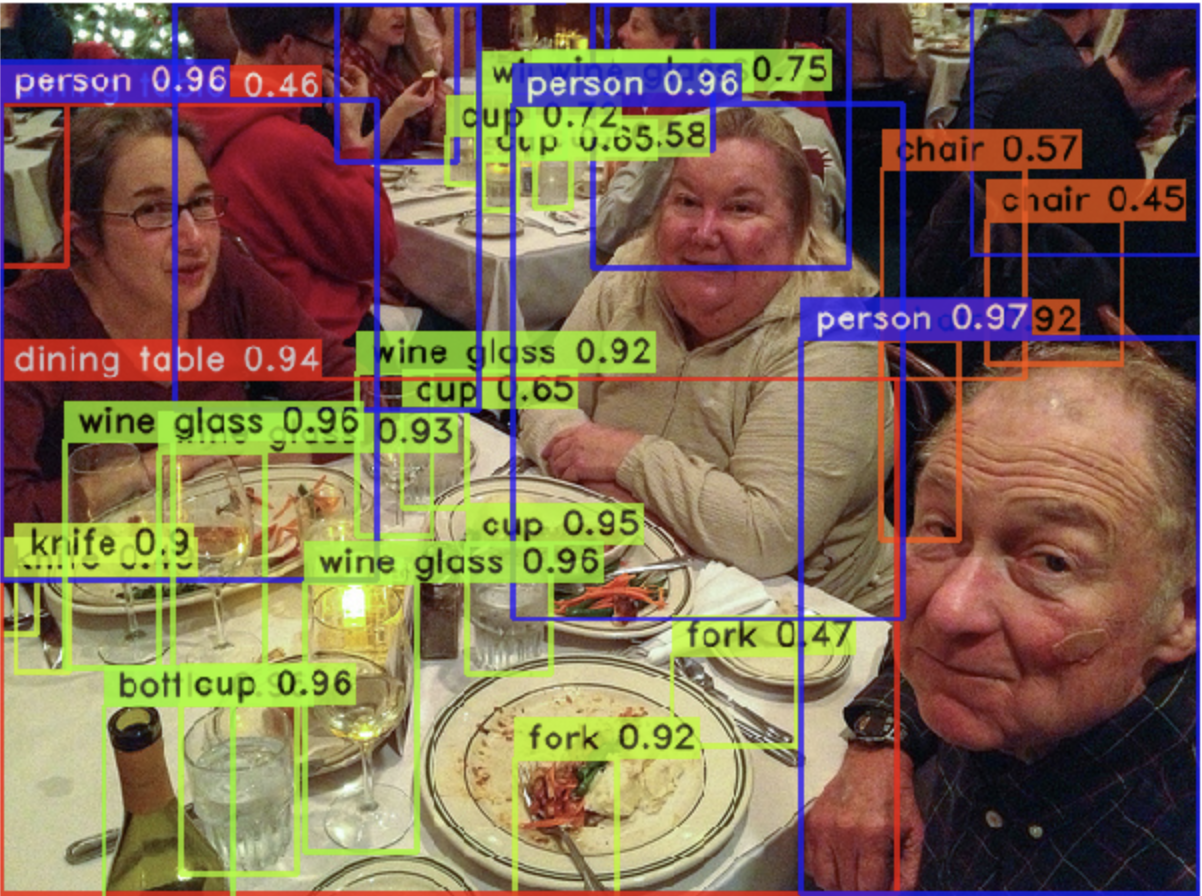
- 通过动态组合多个专用模型(例如,YOLO 用于检测,SAM 用于分割)来克服单模型方法的局限性,以应对复杂任务。
- 在图像编辑、目标高亮、异常检测等多种应用场景中,实现多功能、可泛化的视觉-语言理解。
提出的方法
- 使用大型语言模型(例如,LLaMA-2)作为核心枢纽,解析用户请求,并将其分解为详细、可执行的行动方案。
- 根据 LLM 推导出的行动方案,自动选择最合适的视觉基础模型(例如,YOLO、SAM、DALL-E、Stable Diffusion)。
- 以协调的流水线方式执行选定的模型,对多个模型的输出进行后处理与融合,形成连贯的响应。
- 支持动态模型组合,使系统能够在不进行架构重构的情况下适应新模型和新任务。
- 采用四阶段工作流:(1) 基于 LLM 的请求理解,(2) 基础模型选择,(3) 分布式执行,(4) 输出集成与优化。
- 通过将 LLM 生成的行动方案与视觉模型能力对齐,实现多模态推理,确保语义一致性与任务准确性。

实验结果
研究问题
- RQ1统一的智能体架构能否有效编排多个专用视觉基础模型与 LLM,以解决复杂、用户定义的视觉-语言任务?
- RQ2LLM 驱动的智能体在多大程度上能自动化地将自然语言请求分解为涉及多个视觉模型的可执行步骤?
- RQ3该系统在对象检测、分割、图像编辑和生成等多样化视觉-语言任务中,其泛化能力如何?
- RQ4与单模型基线相比,多模型集成在开放世界视觉感知中如何提升性能与鲁棒性?
主要发现
- VisionGPT 有效实现了从用户请求到最终输出的全流程自动化,包括请求理解、模型选择、执行与结果整合。
- 即使在提示中未明确指定对象名称,系统仍能准确实现复杂场景中的目标高亮与分割。
- VisionGPT 在文本条件下的图像编辑与生成任务中表现优异,例如替换对象、遮盖部件或根据文本描述生成新场景。
- 该框架实现了 YOLO 与 SAM 等模型之间的高效协作,通过仅聚焦于感兴趣区域,显著降低计算开销。
- 该智能体在各种输入下(包括模糊或开放式请求)均能保持与用户意图的高度一致。
- 模块化设计支持新视觉基础模型与 LLM 的无缝集成,确保对未来发展技术的适应能力。
阅读本论文
在 Nubint 阅读器中打开原文,边读边就任意段落提问。
在 Nubint 中阅读本论文本解读由 AI 根据论文原文生成,引用前请核对原文。