
[论文解读] Zero Trust Implementation in the Emerging Technologies Era: Survey
本文综述了在新兴技术时代零信任(ZT)的实施情况,提出了一种整合人工智能(AI)、量子计算和混沌理论的框架,以增强ZT的自动化、编排能力和威胁检测能力。该研究提出了一种多层评估模型,涵盖策略、授权、隔离、日志记录和响应等指标,用于衡量现实环境中ZT的成熟度和有效性。
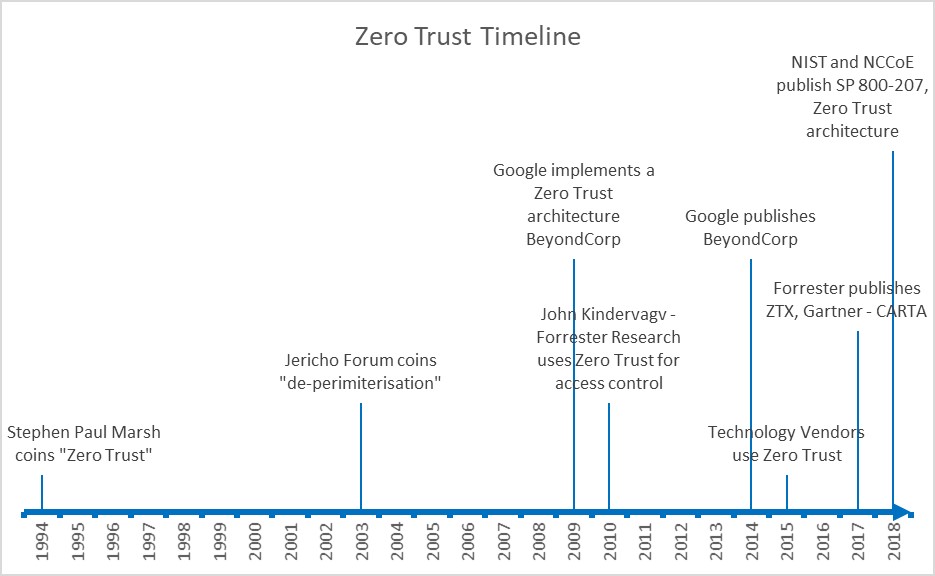
This paper presents a comprehensive analysis of the shift from the traditional perimeter model of security to the Zero Trust (ZT) framework, emphasizing the key points in the transition and the practical application of ZT. It outlines the differences between ZT policies and legacy security policies, along with the significant events that have impacted the evolution of ZT. Additionally, the paper explores the potential impacts of emerging technologies, such as Artificial Intelligence (AI) and quantum computing, on the policy and implementation of ZT. The study thoroughly examines how AI can enhance ZT by utilizing Machine Learning (ML) algorithms to analyze patterns, detect anomalies, and predict threats, thereby improving real-time decision-making processes. Furthermore, the paper demonstrates how a chaos theory-based approach, in conjunction with other technologies like eXtended Detection and Response (XDR), can effectively mitigate cyberattacks. As quantum computing presents new challenges to ZT and cybersecurity as a whole, the paper delves into the intricacies of ZT migration, automation, and orchestration, addressing the complexities associated with these aspects. Finally, the paper provides a best practice approach for the seamless implementation of ZT in organizations, laying out the proposed guidelines to facilitate organizations in their transition towards a more secure ZT model. The study aims to support organizations in successfully implementing ZT and enhancing their cybersecurity measures.
研究动机与目标
- 分析在网络威胁上升和数字化转型的背景下,从传统边界安全模型向零信任(ZT)的转变。
- 研究新兴技术(尤其是人工智能、量子计算和扩展检测与响应,XDR)对ZT策略、自动化和编排的影响。
- 提出一个全面的评估框架,包含可量化的指标,以评估ZT实施的成熟度和有效性。
- 识别在云、物联网(IoT)、工业控制系统(OT)和数字孪生环境中实现无缝ZT迁移的最佳实践。
- 解决ZT采用中的关键挑战,包括合规性验证、统一访问策略以及与DevOps流水线的集成。
提出的方法
- 对ZT的发展历程进行系统性综述,对比传统安全模型与现代ZT原则。
- 整合人工智能和机器学习(ML),以实现实时异常检测、威胁预测和自适应访问控制。
- 应用基于混沌理论的建模方法,模拟并缓解ZT架构中的复杂攻击模式。
- 提出一个包含五个维度的多层评估框架:策略、授权、网络隔离、日志/监控和响应。
- 使用具体指标,如平均检测时间(MTTD)、平均遏制时间(MTTC)和事件关联有效性,量化ZT性能。
- 提出将ZT与新兴系统(如数字孪生(DT)、工业控制系统(ICS)和远程访问解决方案)集成。
实验结果
研究问题
- RQ1人工智能、量子计算和混沌理论等新兴技术如何增强或挑战零信任的实施?
- RQ2在现代网络环境中,传统安全策略与零信任策略的关键差异是什么?
- RQ3如何在OT、IoT和数字孪生等复杂环境中有效实施和评估ZT?
- RQ4哪些指标和评估框架最能有效衡量ZT的成熟度和运营有效性?
- RQ5ZT迁移、自动化和编排中的主要挑战是什么,以及如何应对?
主要发现
- 人工智能和机器学习显著提升了ZT能力,通过持续监控实现实时异常检测、行为分析和预测性威胁建模。
- 量子计算对当前加密标准构成威胁,同时也为未来ZT安全协议提供了机遇,因此需要提前规划迁移策略。
- XDR与ZT的集成显著增强了检测和响应能力,尤其在识别横向移动和零日攻击方面。
- 微隔离的采用情况和未管理设备的检测是评估网络隔离有效性及减少攻击面的关键指标。
- 平均检测时间(MTTD)和平均遏制时间(MTTC)是与ZT实施成熟度强相关的关键性能指标。
- 利益相关者满意度、红队测试和事件关联有效性为ZT项目有效性的定性验证提供了宝贵依据。
阅读本论文
在 Nubint 阅读器中打开原文,边读边就任意段落提问。
在 Nubint 中阅读本论文本解读由 AI 根据论文原文生成,引用前请核对原文。