
[Paper Review] AIGC In China: Current Developments And Future Outlook
This paper analyzes China's current landscape in AI-generated content (AIGC), examining foundational technologies like large language models and multimodal systems, market and policy dynamics, and ecosystem development. It identifies key challenges—data quality, talent shortages, and copyright risks—while projecting future trends toward enhanced intelligence, cloud integration, and cross-industry adoption, advocating for interpretable, secure, and generalizable models with strong governance frameworks.
The increasing attention given to AI Generated Content (AIGC) has brought a profound impact on various aspects of daily life, industrial manufacturing, and the academic sector. Recognizing the global trends and competitiveness in AIGC development, this study aims to analyze China's current status in the field. The investigation begins with an overview of the foundational technologies and current applications of AIGC. Subsequently, the study delves into the market status, policy landscape, and development trajectory of AIGC in China, utilizing keyword searches to identify relevant scholarly papers. Furthermore, the paper provides a comprehensive examination of AIGC products and their corresponding ecosystem, emphasizing the ecological construction of AIGC. Finally, this paper discusses the challenges and risks faced by the AIGC industry while presenting a forward-looking perspective on the industry's future based on competitive insights in AIGC.
Motivation & Objective
- To analyze the current state of AIGC development in China across technological, market, policy, and research dimensions.
- To identify key drivers and barriers in China’s AIGC ecosystem, including talent shortages, data quality, and copyright issues.
- To assess the role of large language models, multimodal systems, and reinforcement learning in advancing AIGC capabilities.
- To explore the future trajectory of AIGC in China, focusing on enhanced intelligence, cloud integration, and cross-industry applications.
- To propose a governance framework that balances innovation with privacy, security, and regulatory compliance in AIGC development.
Proposed method
- Conducted keyword-based literature searches to map scholarly research output in AIGC within China.
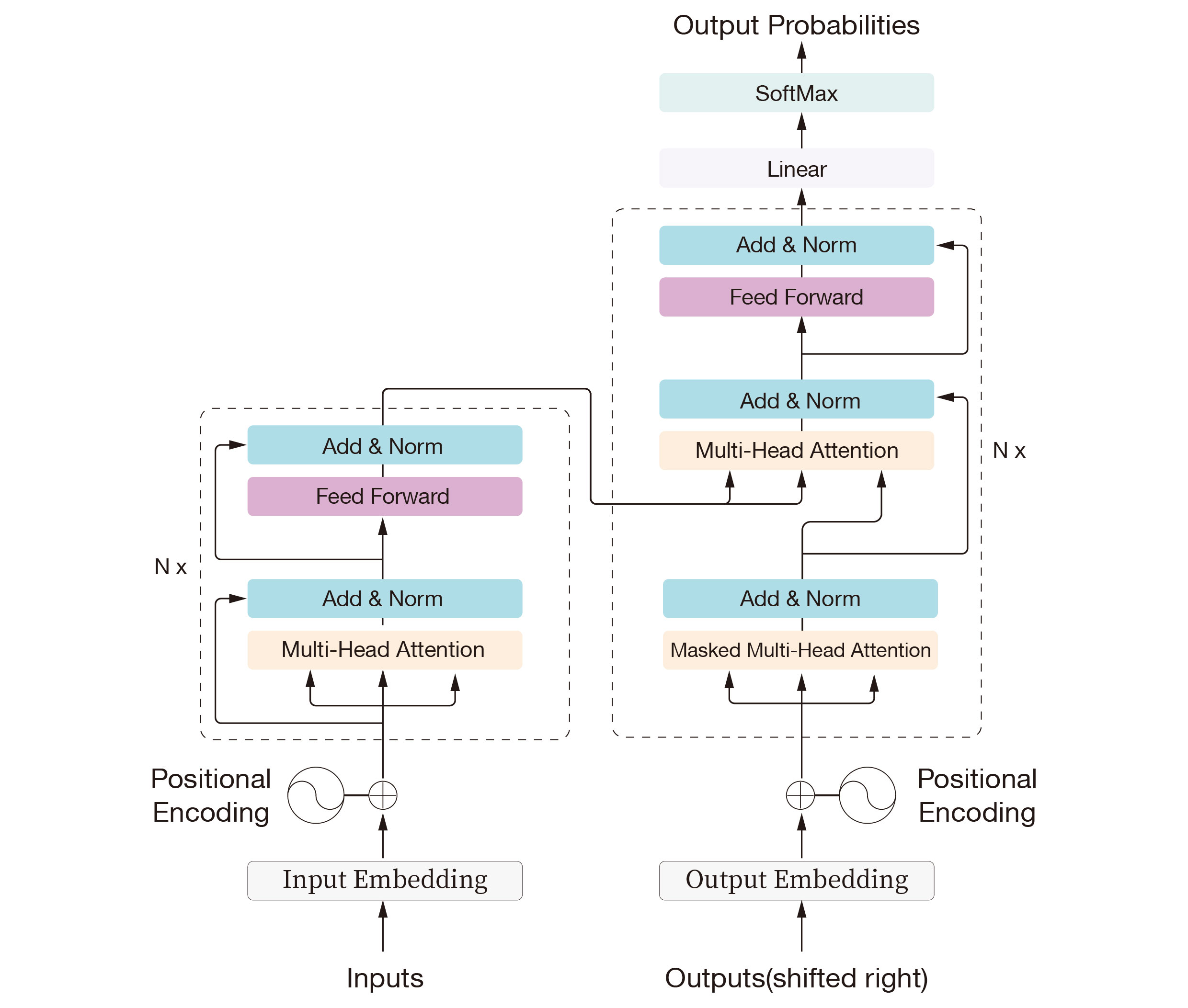
- Reviewed foundational AIGC technologies, including large language models (LLMs), multimodal models, and reinforcement learning with human feedback (RLHF).
- Analyzed policy frameworks and market trends in China’s AIGC sector using qualitative synthesis of national strategies and industry developments.
- Evaluated AIGC product ecosystems and platform integration, emphasizing infrastructure and application diversity.
- Employed a multi-dimensional framework to assess challenges, including data quality, talent scarcity, and intellectual property risks.
- Proposed a forward-looking model for AIGC development centered on interpretability, generalization, multi-modal fusion, and secure training.
Experimental results
Research questions
- RQ1What are the core technological foundations driving AIGC development in China, and how do they compare to global standards?
- RQ2How has China’s policy and market environment shaped the growth and adoption of AIGC technologies?
- RQ3What are the primary challenges—technical, regulatory, and human—hindering the scalable deployment of AIGC in China?
- RQ4How is the AIGC ecosystem evolving in China, and what role do open-source frameworks and large models play in this evolution?
- RQ5What future trends and strategic directions are likely to define the next phase of AIGC development in China?
Key findings
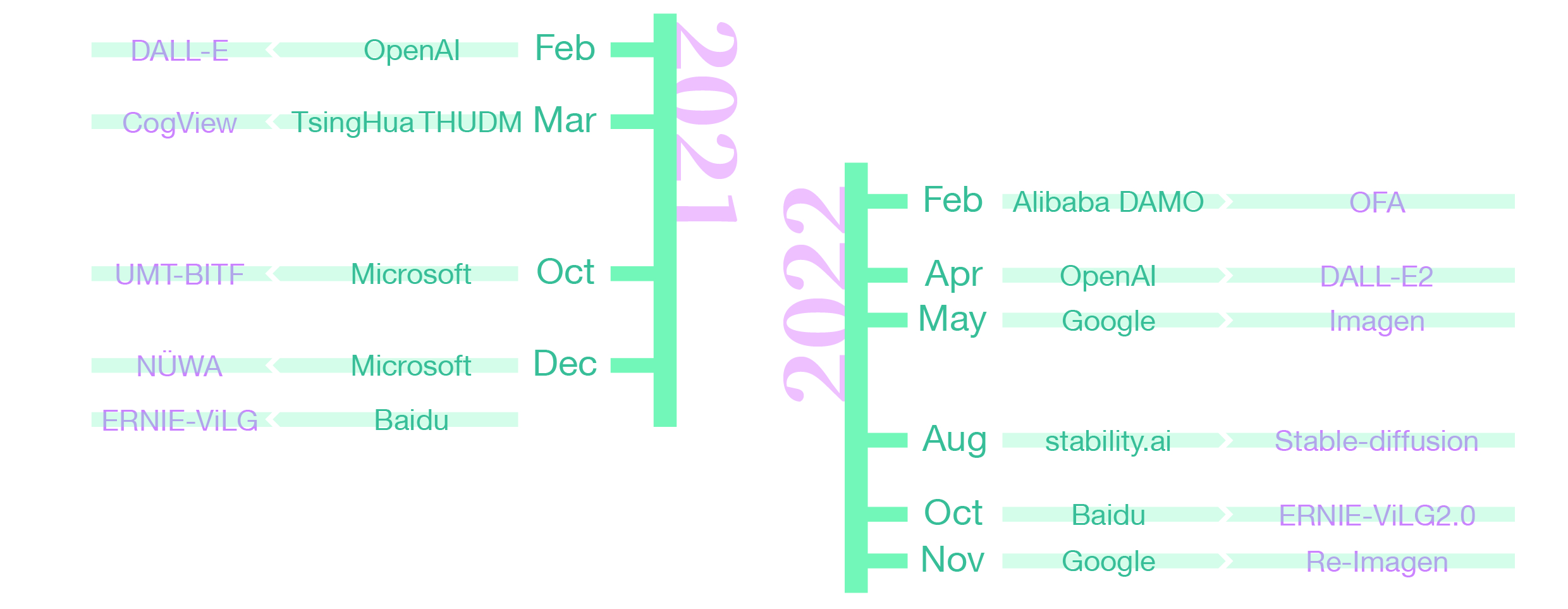
- China’s AIGC development is significantly driven by the proliferation of large-scale pre-trained models and open-source frameworks, lowering entry barriers and accelerating innovation.
- The integration of large language models (LLMs) and multimodal architectures is central to AIGC’s ability to generate coherent text, images, audio, and video content.
- Despite rapid growth, challenges persist in data quality, model generalization, and talent shortages, with a global scarcity of skilled AI professionals affecting progress.
- Copyright and attribution issues remain critical concerns, with varying legal frameworks emerging across countries to regulate AIGC-generated content.
- Future AIGC development in China is expected to emphasize enhanced autonomy, cloud-based scalability, and cross-industry deployment across sectors like education, media, and manufacturing.
- The paper identifies a strategic advantage for China in establishing a governance model that balances innovation with national security, privacy, and regulatory oversight.
Read this paper
Open the full text in the Nubint reader and ask about any passage as you read.
Read this paper on NubintThis review was generated by AI from the original paper. Please check the paper before citing it.