
[论文解读] Analysis of Polkadot: Architecture, Internals, and Contradictions
本文对波利多特(Polkadot)的架构、协议和经济模型进行了首次系统性分析,揭示了其设计中威胁去中心化与可扩展性的关键矛盾。通过分析2020年6月至2022年4月期间的链上验证者数据,研究发现,由于高质押要求、验证者垄断行为以及治理失衡,尽管波利多特声称通过NPoS和分片实现了参与的民主化,但其去中心化风险正在加剧。
Polkadot is a network protocol launched in 2020 with the ambition of unlocking the full potential of blockchain technologies. Its novel multi-chain protocol allows arbitrary data to be transferred across heterogeneous blockchains, enabling the implementation of a wide range of novel use cases. The Polkadot architecture is based on the principles of sharding, which promises to solve scalability and interoperability shortcomings that encumber many existing blockchain-based systems. Lured by these impressive features, investors immediately appreciated the Polkadot project, which is now firmly ranked among the top 10 cryptocurrencies by capitalization (around 20 Billions USD). However, Polkadot has not received the same level of attention from academia that other proposals in the crypto domain have received so far, like Bitcoin, Ethereum, and Algorand, to cite a few. Polkadot architecture is described and discussed only in the grey literature, and very little is known about its internals. In this paper, we provide the first systematic study on the Polkadot environment, detailing its protocols, governance, and economic model. Then, we identify several limitations -- supported by an empirical analysis of its ledger -- that could severely affect the scalability and overall security of the network. Finally, based on our analysis, we provide future directions to inspire researchers to investigate further the Polkadot ecosystem and its pitfalls in terms of performance, security, and network aspects.
研究动机与目标
- 提供对波利多特(Polkadot)架构、协议和经济模型的首次全面、系统性研究。
- 识别并分析波利多特(Polkadot)设计中可能破坏其去中心化、可扩展性和安全性核心承诺的矛盾之处。
- 通过波利多特(Polkadot)区块链的实证数据验证理论担忧,重点关注验证者行为与质押动态。
- 揭示NPoS共识机制和治理模式中的系统性局限,这些局限将参与权限制在富裕实体之中。
- 激发未来对多链区块链生态系统中性能、安全性和去中心化问题的研究。
提出的方法
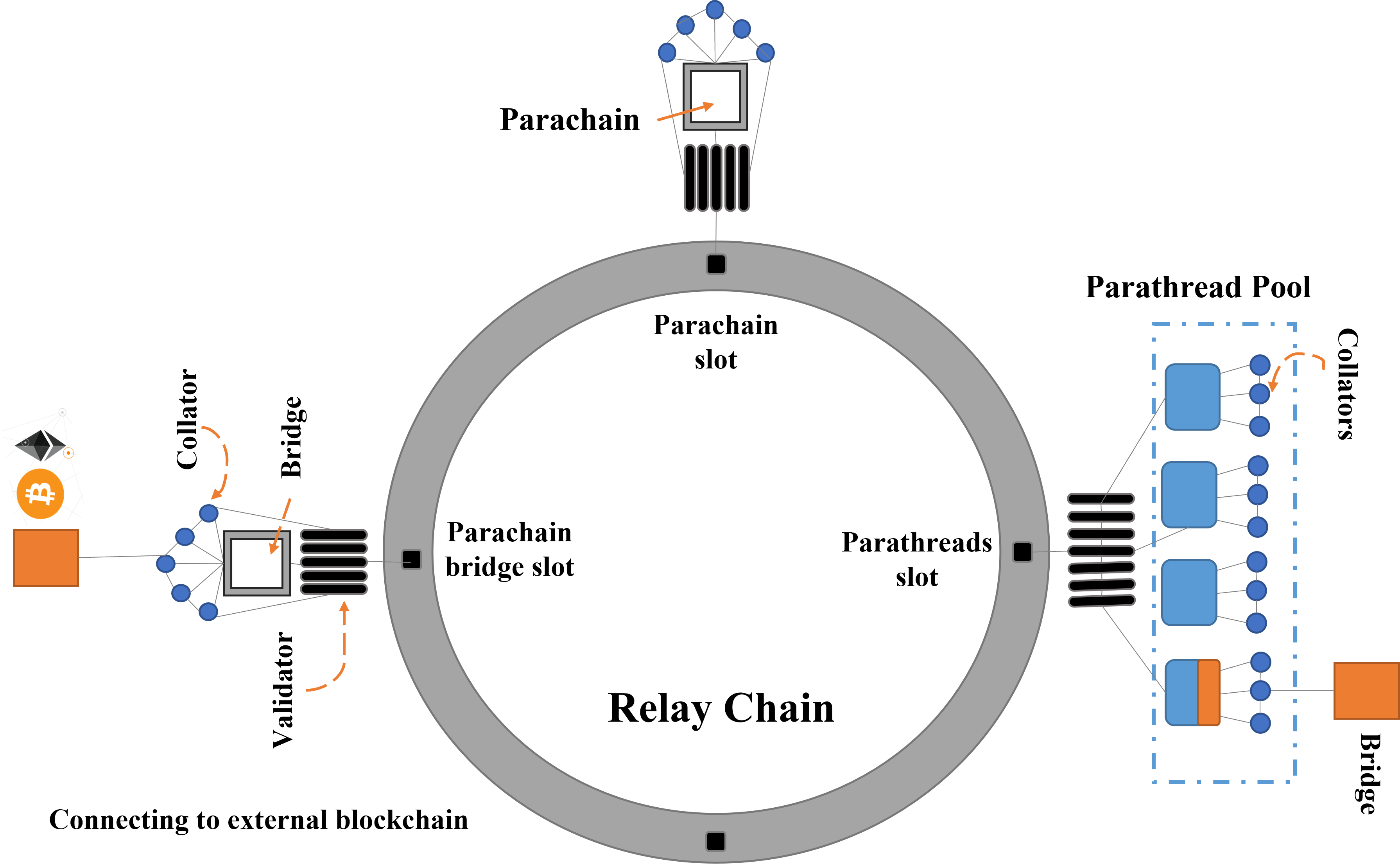
- 对波利多特(Polkadot)的分片多链架构进行详细架构与协议层面的审查,包括中继链(Relay Chain)、平行链(parachains)以及共识机制。
- 分析波利多特(Polkadot)的经济模型,重点关注NPoS(被提名的权益证明)系统及其对验证者与提名者的激励机制。
- 收集并处理2020年6月至2022年4月期间关于验证者选举与质押行为的链上数据。
- 通过实证分析验证者的佣金费率、自我质押水平和提名模式,以检测去中心化趋势。
- 评估治理机制与质押集中度,以判断民主化参与程度与系统性风险。
- 将波利多特(Polkadot)的设计主张与实际观测到的链上行为进行对比,识别差异与矛盾。
实验结果
研究问题
- RQ1波利多特(Polkadot)的NPoS机制在多大程度上实现了广泛参与,还是导致了富裕验证者之间的集中化?
- RQ2验证者佣金费率与自我质押水平如何随时间演变,它们揭示了激励对齐与控制权的何种状况?
- RQ3当前对验证者与提名者数量的限制对网络构成了哪些系统性风险?
- RQ4波利多特(Polkadot)的质押集中度与治理结构与以太坊或阿尔戈兰德等其他PoS区块链相比如何?
- RQ5波利多特(Polkadot)的技术约束在多大程度上削弱了其宣传的可扩展性与互操作性特性?
主要发现
- 收费100%佣金的活跃验证者比例已超过60%,且呈持续上升趋势,表明验证者将全部奖励据为己有的现象日益严重。
- 许多高佣金验证者自我质押水平极低,表明其可能由同一实体背后支持,引发合谋与问责缺失的担忧。
- 高质押门槛——约3200万美元方可成为验证者——实际上排除了普通用户,使权力高度集中于少数富裕实体。
- 尽管声称通过NPoS实现去中心化,但当前系统助长了‘富者愈富’的动态,使大额持有者主导奖励与治理影响力。
- 尽管采用分片架构,网络的可扩展性仍受验证者与提名者数量硬性限制的制约,可能阻碍其发展。
- 观测到的行为与波利多特(Polkadot)公开倡导的参与民主化愿景相悖,暴露出系统日益面临去中心化与操纵风险。

更好的研究,从现在开始
从阅读论文到最终审阅,大幅缩短您的研究时间。
无需绑定信用卡
本解读由 AI 生成,并经人工编辑审核。