
[论文解读] Automating the Practice of Science -- Opportunities, Challenges, and Implications
本文探讨了通过人工智能和计算工具实现科学实践自动化的可能性,提出其可加速科学发现、提升可重复性,并突破人类认知的局限。文章识别出在假说生成与理论构建方面的重要机遇,同时指出了技术、伦理和责任方面的挑战,强调需通过跨学科监督和价值对齐来实现科学自动化。
Automation transformed various aspects of our human civilization, revolutionizing industries and streamlining processes. In the domain of scientific inquiry, automated approaches emerged as powerful tools, holding promise for accelerating discovery, enhancing reproducibility, and overcoming the traditional impediments to scientific progress. This article evaluates the scope of automation within scientific practice and assesses recent approaches. Furthermore, it discusses different perspectives to the following questions: Where do the greatest opportunities lie for automation in scientific practice?; What are the current bottlenecks of automating scientific practice?; and What are significant ethical and practical consequences of automating scientific practice? By discussing the motivations behind automated science, analyzing the hurdles encountered, and examining its implications, this article invites researchers, policymakers, and stakeholders to navigate the rapidly evolving frontier of automated scientific practice.
研究动机与目标
- 评估自动化在不同学科科学实践中的当前范围与潜力。
- 识别阻碍科学全面自动化的关键技术、伦理与实际瓶颈。
- 探讨自动化对科学方法论、可重复性以及人类科学家角色的影响。
- 解决人工智能驱动科学研究中偏见、责任归属与价值对齐等伦理关切。
- 倡导跨学科合作与外部监督框架,以指导科学自动化中的负责任实践。
提出的方法
- 综合近期在人工智能、软件与计算硬件方面的进展,评估其在科学工作流程中的整合。
- 通过基因组学、材料科学、化学、心理学与数学等领域的案例研究,展示自动化在实际中的应用。
- 应用元科学与科学哲学的框架,评估自动化在认识论与方法论层面的影响。
- 分析人工智能模型在自动化文献综述、假说生成与理论构建中的作用。
- 通过现实世界案例评估自动化系统中偏见、可解释性与‘黑箱’行为带来的风险。
- 提出一种面向自动化科学过程的价值对齐与责任框架,强调外部监督的重要性。
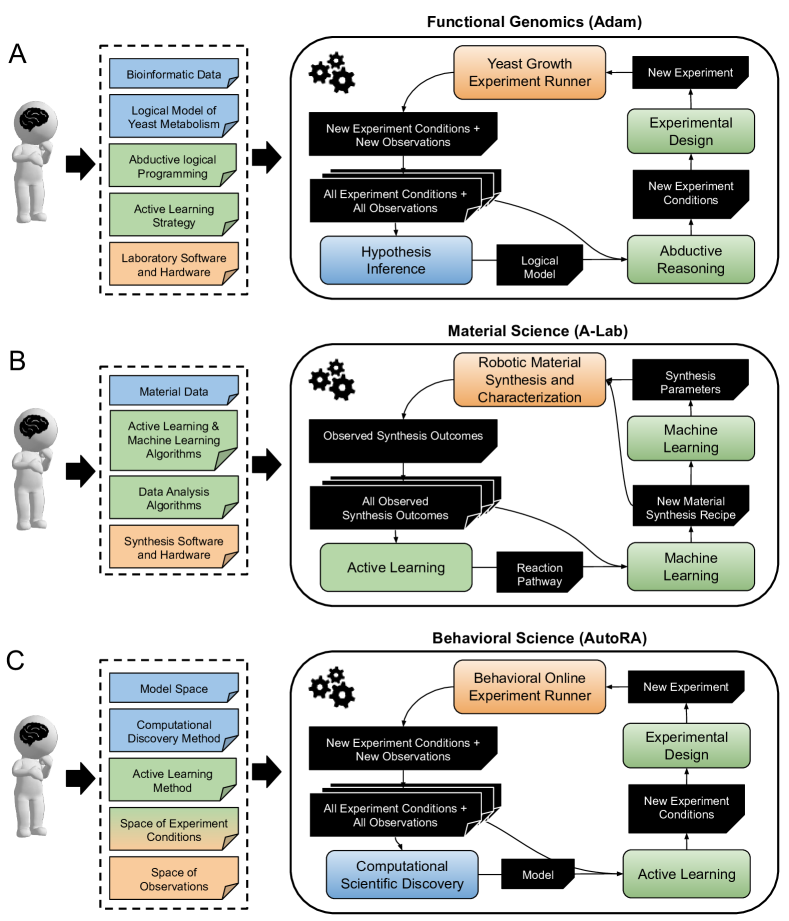
实验结果
研究问题
- RQ1在不同科学领域中,自动化科学实践的最大机遇存在于何处?
- RQ2哪些关键技术与方法论瓶颈限制了科学发现的自动化?
- RQ3数据、训练过程与系统设计中的偏见如何影响自动化科学输出的可靠性与公平性?
- RQ4当自动化系统产生有害或伦理上存疑的科学结果时,责任应由谁承担?
- RQ5自动化在多大程度上能够从根本上重塑科学范式与科学探究的本质?
主要发现
- 自动化已在化学领域加速假说生成,在材料科学中推动材料发现,在心理学领域促进理论发展。
- 近期人工智能进展使得数学领域的自动化文献综述与猜想生成成为可能,显著缩短时间并提升可重复性。
- 自动化系统可能继承并放大训练数据中的偏见,尤其在心理学与基因组学等代表性不足的领域更为显著。
- 部分人工智能系统的‘黑箱’特性引发了对其可解释性、责任归属与科学结果可信度的担忧。
- 伦理风险包括潜在的滥用(如武器研发)以及对自动化发现责任归属的挑战。
- 由于规范性目标如社会价值对齐与人类监督的必要性,科学的完全自动化既不可行也非理想。
更好的研究,从现在开始
从阅读论文到最终审阅,大幅缩短您的研究时间。
无需绑定信用卡
本解读由 AI 生成,并经人工编辑审核。