
[论文解读] Deciphering Diagnoses: How Large Language Models Explanations Influence Clinical Decision Making
本研究评估大型语言模型(LLMs)在将患者主诉与诊断关联时生成解释的方式,发现LLM生成的解释显著提高了医生对诊断的一致性认同度——然而在5%至30%的案例中存在错误,主要源于对症状-诊断关联的过度解读。研究揭示了LLMs在临床决策支持中的说服力,同时也强调了事实性错误带来的风险。
Clinical Decision Support Systems (CDSS) utilize evidence-based knowledge and patient data to offer real-time recommendations, with Large Language Models (LLMs) emerging as a promising tool to generate plain-text explanations for medical decisions. This study explores the effectiveness and reliability of LLMs in generating explanations for diagnoses based on patient complaints. Three experienced doctors evaluated LLM-generated explanations of the connection between patient complaints and doctor and model-assigned diagnoses across several stages. Experimental results demonstrated that LLM explanations significantly increased doctors' agreement rates with given diagnoses and highlighted potential errors in LLM outputs, ranging from 5% to 30%. The study underscores the potential and challenges of LLMs in healthcare and emphasizes the need for careful integration and evaluation to ensure patient safety and optimal clinical utility.
研究动机与目标
- 评估LLM生成的解释对医生临床决策的影响。
- 评估LLM解释在连接患者主诉与医学诊断方面的质量与事实准确性。
- 识别LLM生成医学解释中的常见错误模式。
- 研究解释对经验丰富的临床医生之间诊断一致率的影响。
- 突出LLMs集成到临床决策支持系统(CDSS)中的风险与机遇。
提出的方法
- 开展多阶段实验,三位经验丰富的医生评估LLM为患者主诉生成的解释及其对应诊断。
- 使用LLM基于电子病历(EHR)风格的主诉生成连接症状与诊断的纯文本解释。
- 在不同阶段收集并分析医生的评估:初始诊断、查看LLM解释后、以及对解释质量的后评估。
- 对医生与诊断之间的一致性率进行定量分析,比较暴露于LLM解释前后的情况。
- 对LLM错误进行定性分析,重点关注事实错误、过度解读及症状误归因。
- 对比医生与LLM生成的解释,以评估其一致性与可靠性。
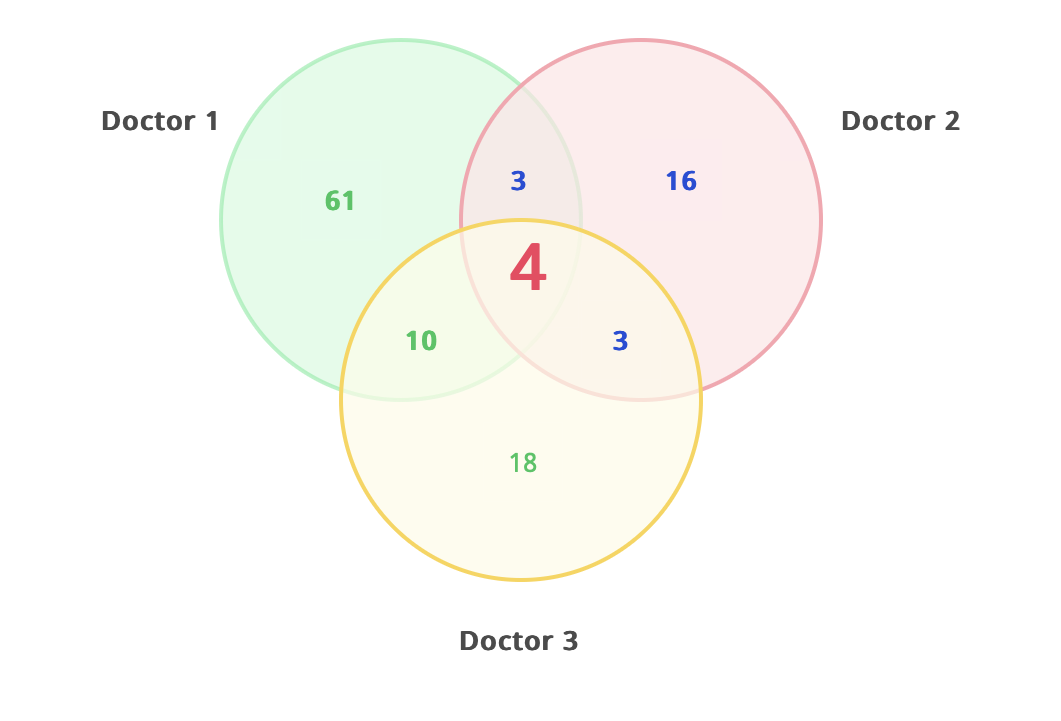
实验结果
研究问题
- RQ1LLM生成的解释在多大程度上影响医生对给定诊断假设的一致性认同?
- RQ2LLM在解释患者主诉与诊断关联时,常犯哪些类型的事实错误?
- RQ3LLM解释的质量在不同症状-诊断组合之间如何变化?
- RQ4与仅依赖临床判断相比,LLM解释在多大程度上影响了诊断决策?
- RQ5医生如何看待LLM生成解释的清晰度与临床相关性?
主要发现
- LLM生成的解释显著提高了医生对给定诊断的一致性认同率,显示出明显的说服力。
- LLM的错误率在5%至30%之间,最常见的错误是将症状错误地归因于不正确的诊断。
- 一种主要错误类型是模型倾向于‘虚构’不存在的症状-诊断关联,尤其在症状无法明确支持诊断时更为明显。
- 医生常常忽略了LLM解释中的事实错误,而更关注症状是否与诊断相符。
- 研究发现,同一组症状可能对应多个有效的诊断假设,而LLM的解释会影响医生接受哪一个诊断。
- 尽管许多解释质量较高,但医生对解释质量的一致性评价较低,表明解释质量的评估具有主观性且依赖于具体情境。
更好的研究,从现在开始
从阅读论文到最终审阅,大幅缩短您的研究时间。
无需绑定信用卡
本解读由 AI 生成,并经人工编辑审核。