
[论文解读] From Factor Models to Deep Learning: Machine Learning in Reshaping Empirical Asset Pricing
对机器学习与人工智能如何重塑实证资产定价的全面综述,从传统因子模型到基于ML的预测、优化和多模态数据整合。
This paper comprehensively reviews the application of machine learning (ML) and AI in finance, specifically in the context of asset pricing. It starts by summarizing the traditional asset pricing models and examining their limitations in capturing the complexities of financial markets. It explores how 1) ML models, including supervised, unsupervised, semi-supervised, and reinforcement learning, provide versatile frameworks to address these complexities, and 2) the incorporation of advanced ML algorithms into traditional financial models enhances return prediction and portfolio optimization. These methods can adapt to changing market dynamics by modeling structural changes and incorporating heterogeneous data sources, such as text and images. In addition, this paper explores challenges in applying ML in asset pricing, addressing the growing demand for explainability in decision-making and mitigating overfitting in complex models. This paper aims to provide insights into novel methodologies showcasing the potential of ML to reshape the future of quantitative finance.
研究动机与目标
- 评估传统资产定价模型的局限性以及对灵活、数据驱动方法的需求。
- 综述ML方法(监督学习、无监督学习、半监督学习、强化学习)如何提升预测准确性与处理数据异质性。
- 检视基于ML的组合优化与风险管理。
- 突出可解释性、过拟合、数据质量和监管因素等挑战,并勾画未来方向。
提出的方法
- 回顾传统资产定价框架及其局限性。
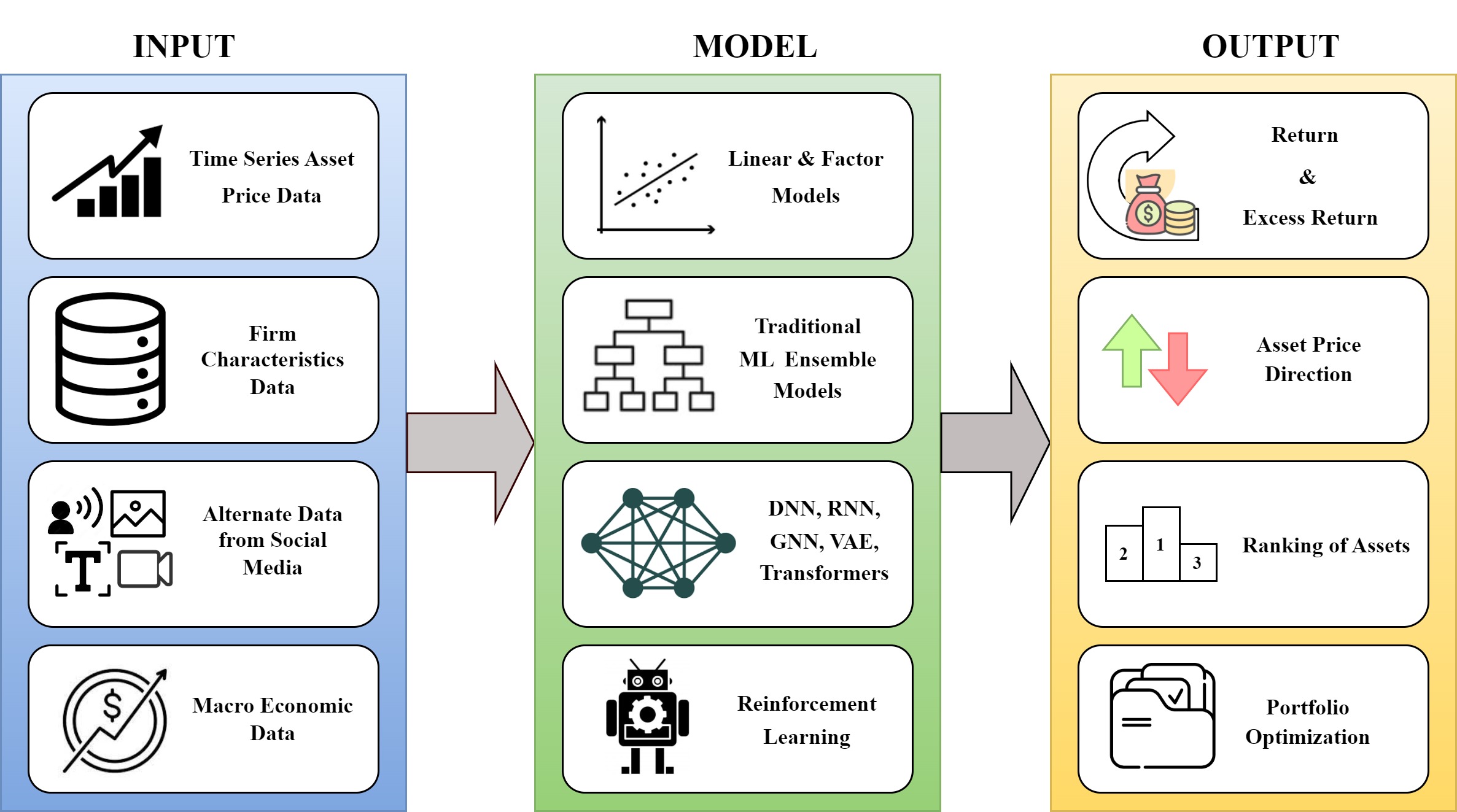
- 将ML家族映射到资产定价任务(预测、排序、优化)。
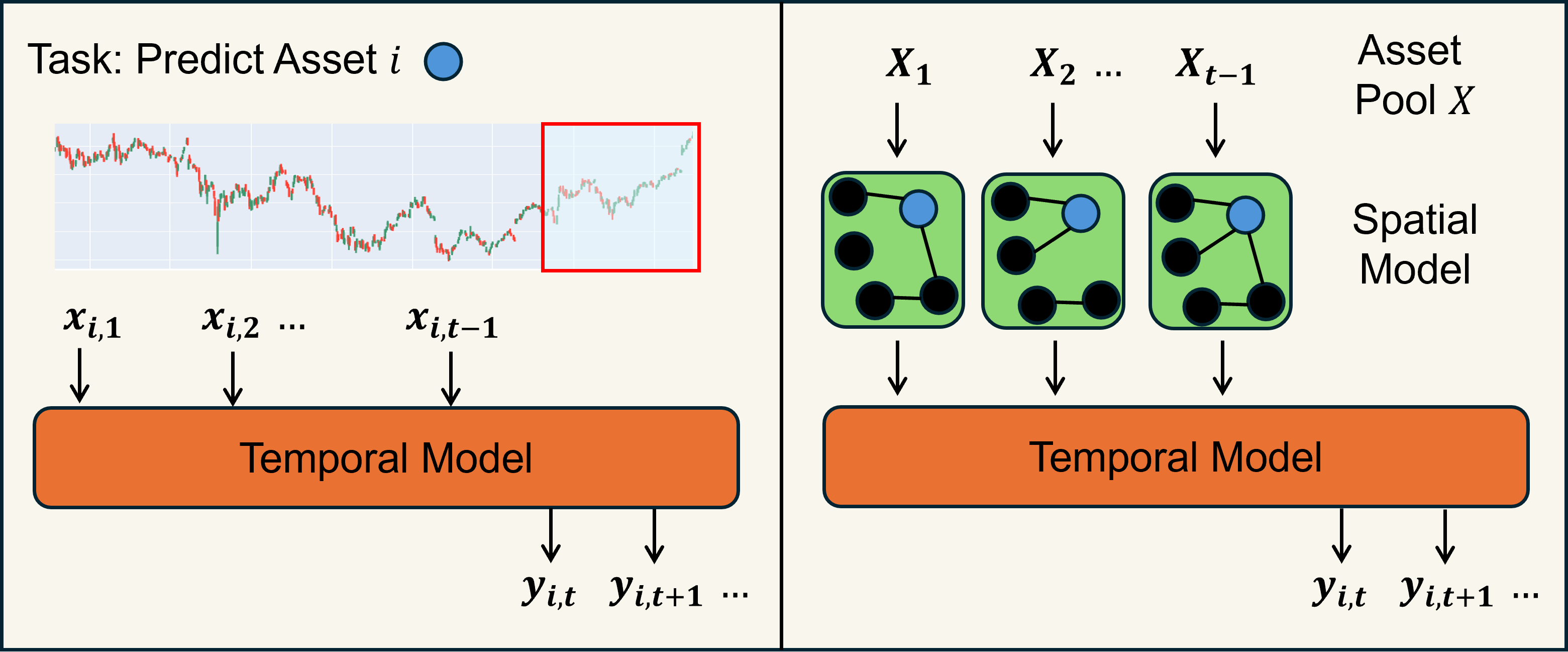
- 描述用于资产定价的时序与时空ML模型,包括图神经网络和Transformer。
- 讨论降维、缺失数据插补,以及引入替代数据。
- 考察基于ML的资产定价中的挑战与未来方向。
实验结果
研究问题
- RQ1ML方法如何超越传统因子模型来改善资产风险溢价的估计?
- RQ2哪些ML结构最能捕捉资产定价中的时间与横截面动态(包括图、Transformer)?
- RQ3ML如何提升实证金融中的投资组合优化与风险管理?
- RQ4主要挑战(过拟合、可解释性、数据质量、监管)有哪些,以及如何在基于ML的资产定价中进行缓解?
- RQ5将ML融入资产定价最有前景的未来研究方向是什么?
主要发现
- ML与AI提供灵活的框架,用于建模非线性并将异质数据源引入资产定价。
- ML进展覆盖预测、排序和投资组合优化,涵盖时序与时空模型,包括基于图的方法。
- 降维与插补技术缓解因子集合问题和缺失数据,提升稳定性与可解释性。
- 通过多模态模型引入替代数据(文本、图像、语音)以增强定价洞察,得益于Transformer和深度学习的进步。
- 作者讨论的挑战包括过拟合、可解释性、数据获取、合规监管,以及对在线/自适应学习框架的需求。
更好的研究,从现在开始
从论文设计到论文写作,大幅缩短您的研究时间。
无需绑定信用卡
本解读由 AI 生成,并经人工编辑审核。