
[论文解读] Issues and challenges in Cloud Storage Architecture: A Survey
本综述识别并分析了云存储架构中的关键挑战,包括安全性、数据完整性、访问控制以及异构大数据的管理。它提出了加密、基于属性的访问控制和分布式事务管理等对策,结论指出,尽管云存储具有可扩展性和成本效益,但为实现企业级采用,仍需在安全性和数据治理方面开展大量研究。
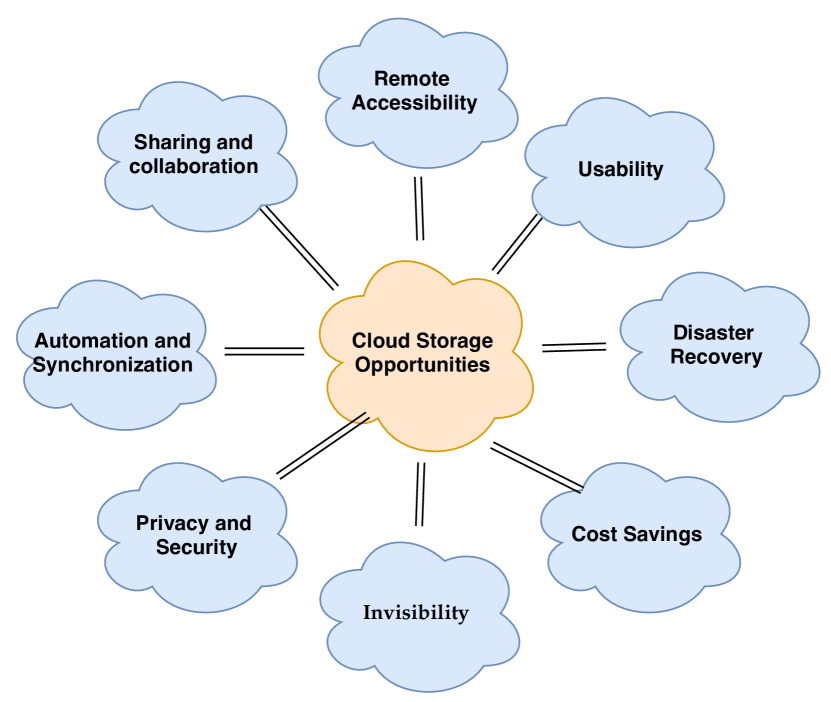
From home appliances to industrial enterprises, the Information and Communication Technology (ICT) industry is revolutionizing the world. We are witnessing the emergence of new technologies (e.g, Cloud computing, Fog computing, Internet of Things (IoT), Artificial Intelligence (AI) and Block-chain) which proves the growing use of ICT (e,g. business, education, health, and home appliances), resulting in massive data generation. It is expected that more than 175 ZB data will be processed annually by 75 billion devices by 2025. The 5G technology (i.e. mobile communication technology) dramatically increases network speed, enabling users to upload ultra high definition videos in real-time, which will generate a massive stream of big data. Furthermore, smart devices, having artificial intelligence, will act like a human being (e.g, a self-driving vehicle, etc) on the network, will also generate big data. This sudden shift and massive data generation created serious challenges in storing and managing heterogeneous data at such a large scale. This article presents a state-of-the-art review of the issues and challenges involved in storing heterogeneous big data, their countermeasures (i.e, from security and management perspectives), and future opportunities of cloud storage. These challenges are reviewed in detail and new dynamics for researchers in the field of cloud storage are discovered.
研究动机与目标
- 识别并分类现代云存储系统中的主要技术与架构挑战。
- 分析由物联网、人工智能和5G设备产生的异构大数据指数级增长所引发的安全与数据管理问题。
- 评估云环境中数据机密性、完整性、访问控制和备份的现有对策。
- 探索云存储领域的未来研究机遇,特别是针对企业级和敏感数据工作负载。
- 全面概述云存储架构的动态特性及新兴技术协同效应(例如人工智能、区块链、5G)。
提出的方法
- 对2010–2020年间关于云存储挑战的现有文献进行了系统性综述,重点关注安全性、可扩展性和数据管理。
- 将挑战分类为:安全性(机密性、完整性、访问控制)、数据动态性、虚拟化漏洞和备份问题。
- 评估了包括端到端加密、带可信时间戳的数字证书以及基于属性的加密在内的技术对策,用于访问控制。
- 分析了分布式事务管理器在确保跨多个云数据库的数据完整性方面的作用。
- 分析了云存储中自动化与同步机制,以实现实时数据一致性。
- 探讨了人工智能、5G、区块链等新兴技术在提升云存储系统隐私性、性能与可靠性方面的集成。
实验结果
研究问题
- RQ1在云环境中存储异构大数据的主要架构与操作挑战是什么?
- RQ25G、人工智能和区块链等新兴技术如何影响云存储系统的安全性和性能?
- RQ3在云存储中,哪些技术对策在解决数据机密性、完整性与访问控制方面最为有效?
- RQ4自动化与同步机制如何提升云存储的可用性与数据一致性?
- RQ5为实现企业级用户对敏感数据的云存储采用,未来需要哪些研究方向?
主要发现
- 由于预计到2025年将有750亿台联网设备,每年将产生175 ZB的数据,云存储面临重大挑战。
- 安全性仍是首要关注点,包括数据泄露、未授权访问,以及虚拟化与认证机制中的漏洞。
- 加密(包括传输中与静态数据加密)是广泛采用的解决方案,可确保数据机密性并防止未授权访问。
- 基于属性的加密被确定为细粒度访问控制的关键技术,可提升多租户云环境中的安全性。
- 自动化备份与同步服务显著降低了管理开销,并确保了设备间的数据一致性,尤其是在5G支持的低延迟网络中。
- 尽管技术不断进步,云存储仍因数据完整性、合规性以及端到端安全保证方面未解决的问题,而缺乏企业客户的充分信任。
更好的研究,从现在开始
从阅读论文到最终审阅,大幅缩短您的研究时间。
无需绑定信用卡
本解读由 AI 生成,并经人工编辑审核。