
[论文解读] Modelling and characterization of fine Particulate Matter dynamics in Bujumbura using low cost sensors
本研究利用2022年8月至2023年8月期间在布琼布拉三个城市行政区部署的低成本传感器,首次对布琼布拉的PM2.5进行了时空表征。研究结果表明,PM2.5水平全年均超过世界卫生组织(WHO)指南限值,其中由于生物质燃烧和垃圾管理不善,居民区穆哈的浓度更高。采用LSTM模型进行准确预测,均方根误差(RMSE)在8.2–12.8 µg/m³之间,决定系数(R²)为0.7–0.8。
Air pollution is a result of multiple sources including both natural and anthropogenic activities. The rapid urbanization of the cities such as Bujumbura economic capital of Burundi, is one of these factors. The very first characterization of the spatio-temporal variability of PM2.5 in Bujumbura and the forecasting of PM2.5 concentration have been conducted in this paper using data collected during a year, from august 2022 to august 2023, by low cost sensors installed in Bujumbura city. For each commune, an hourly, daily and seasonal analysis were carried out and the results showed that the mass concentrations of PM2.5 in the three municipalities differ from one commune to another. The average hourly and annual PM2.5 concentrations exceed the World Health Organization standards. The range is between 28.3 and 35.0 microgram/m3 . In order to make prediction of PM2.5 concentration, an investigation of RNN with Long Short Term Memory (LSTM) has been undertaken.
研究动机与目标
- 利用低成本传感器表征布隆迪首都布琼布拉PM2.5的时空变化特征。
- 评估城市化、交通、垃圾焚烧和季节性模式对PM2.5浓度的影响。
- 评估长短期记忆(LSTM)网络在低资源城市环境中预测PM2.5水平的性能。
- 由于缺乏参考监测站,使用ALT CF3方法对低成本传感器数据进行校正。
- 比较布琼布拉三个不同城区(穆卡扎、恩塔杭瓦和穆哈)的PM2.5浓度。
提出的方法
- 部署配备Plantower PMS5003和Bosch BME280传感器的PurpleAir PA-II-FLEX传感器,用于实时监测PM2.5、温度、湿度和气压。
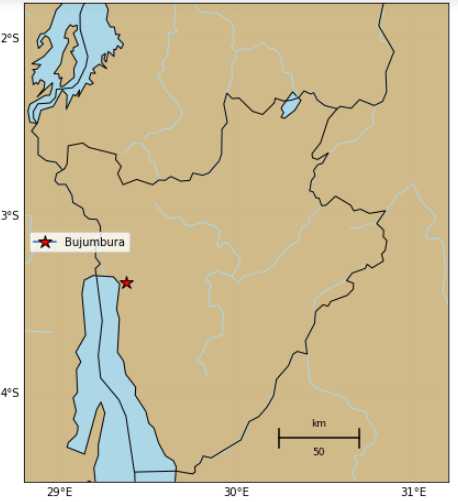
- 从2022年8月到2023年8月,在三个行政区持续收集数据:穆卡扎(商业区)、恩塔杭瓦(工业区)和穆哈(居民区)。
- 采用ALT CF3校准方法对原始传感器数据进行校正,使用三个粒径范围的颗粒物计数:PM2.5 = 3(αX + βY + γZ),其中X、Y、Z分别为不同粒径类别中的颗粒物计数。
- 对PM2.5浓度进行每小时、每日和季节性分析,以评估其时空变异性。
- 使用每小时PM2.5数据训练长短期记忆(LSTM)循环神经网络,以预测未来浓度。
- 采用均方根误差(RMSE)、平均绝对误差(MAE)和决定系数(R²)评估模型性能。
实验结果
研究问题
- RQ1在布琼布拉,不同城区的PM2.5浓度在每小时、每日和季节性时间尺度上如何变化?
- RQ2布琼布拉城市环境中PM2.5变化的主要人为和气象驱动因素是什么?
- RQ3在缺乏参考监测站的情况下,经过ALT CF3校准的低成本传感器在PM2.5估算方面是否具有可靠性?
- RQ4LSTM模型在数据稀缺的非洲城市环境中预测PM2.5浓度的效率如何?
- RQ5与穆卡扎和恩塔杭瓦相比,穆哈城区PM2.5浓度更高的原因是什么?
主要发现
- 布琼布拉的年均PM2.5浓度在28.3至35.0 µg/m³之间,超过世界卫生组织(WHO)24小时指南限值25 µg/m³。
- 由于广泛使用木材/木炭做饭和露天垃圾焚烧,穆哈(居民区)的PM2.5水平最高,高于穆卡扎和恩塔杭瓦。
- 观察到明显的昼夜变化模式,早晨和傍晚出现峰值,与交通和家庭活动有关,尤其在穆卡扎和穆哈地区。
- 季节性变化显示,干季(6月至8月)PM2.5浓度更高,原因包括粉尘再悬浮增加和农业残留物焚烧。
- LSTM模型的决定系数(R²)在0.7至0.8之间,均方根误差(RMSE)在8.2至12.8 µg/m³之间,平均绝对误差(MAE)在5.3至6.8 µg/m³之间,表明具有较强的预测潜力。
- 各监测站点之间的相关性较弱至中等,穆卡扎的相关性最低,表明各城区存在独特的本地污染源。

更好的研究,从现在开始
从阅读论文到最终审阅,大幅缩短您的研究时间。
无需绑定信用卡
本解读由 AI 生成,并经人工编辑审核。