
[论文解读] Past, Present, and Future: A Survey of The Evolution of Affective Robotics For Well-being
本综述回顾了过去十年中情感机器人在福祉领域的演进,分析了技术、设计和伦理维度在福祉各领域中的发展。它识别出关键的研究空白,并提出了未来在多模态情感人工智能、共同设计实践和伦理框架方面的研究方向,以推动人机交互在心理健康与福祉支持方面的进步。
Recent research in affective robots has recognized their potential in supporting human well-being. Due to rapidly developing affective and artificial intelligence technologies, this field of research has undergone explosive expansion and advancement in recent years. In order to develop a deeper understanding of recent advancements, we present a systematic review of the past 10 years of research in affective robotics for wellbeing. In this review, we identify the domains of well-being that have been studied, the methods used to investigate affective robots for well-being, and how these have evolved over time. We also examine the evolution of the multifaceted research topic from three lenses: technical, design, and ethical. Finally, we discuss future opportunities for research based on the gaps we have identified in our review -- proposing pathways to take affective robotics from the past and present to the future. The results of our review are of interest to human-robot interaction and affective computing researchers, as well as clinicians and well-being professionals who may wish to examine and incorporate affective robotics in their practices.
研究动机与目标
- 绘制过去十年中情感机器人福祉研究的演进轨迹。
- 识别出如精神分裂症、抑郁症、注意力缺陷多动障碍(ADHD)和智力障碍等尚未充分探索的福祉领域。
- 分析情感机器人研究的方法论演变,特别是多模态数据与大语言模型的整合。
- 审视在临床和实际应用场景中,情感机器人面临的技术、设计和伦理挑战。
- 提出未来在共同设计、伦理人工智能和可复现、透明的研究实践方面的研究方向。
提出的方法
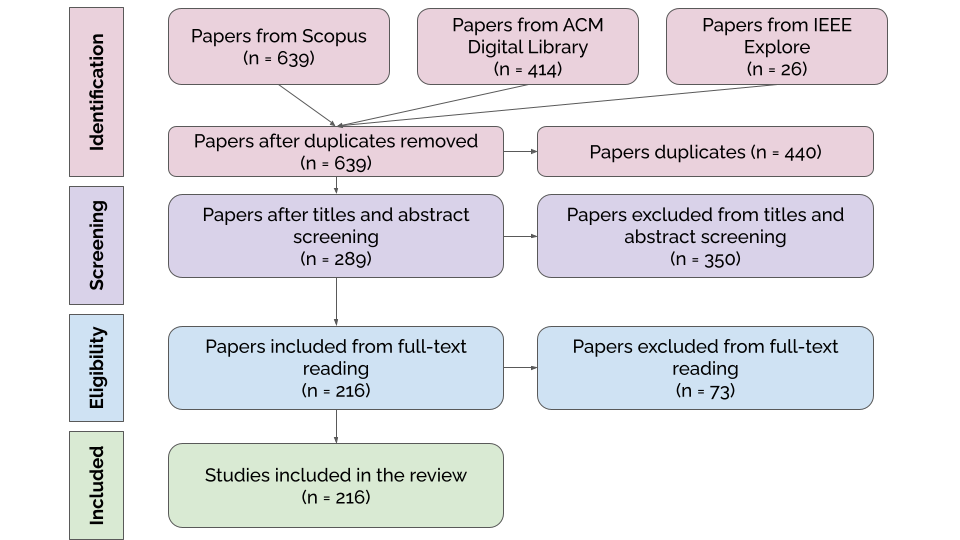
- 对2014年至2024年情感机器人福祉领域的同行评审研究进行了系统性文献综述。
- 根据福祉领域、研究方法和技术方法(如情感识别、生成、多模态传感)对研究进行分类。
- 从三个视角分析研究:技术(建模、人工智能整合)、设计(共同设计、以用户为中心的开发)和伦理(伦理审批、公平性、透明度)。
- 评估在情感机器人系统中用于福祉应用的大型语言模型(LLMs)和多模态数据的使用情况。
- 评估利益相关者(尤其是临床医生和患者)在研究中的参与程度,并提出基于网络的参与式设计模型。
- 回顾社会机器人学、情感计算和医疗人工智能领域的伦理准则与框架,以指导最佳实践。
实验结果
研究问题
- RQ1情感机器人研究中,哪些福祉领域被最频繁研究,哪些仍属研究空白?
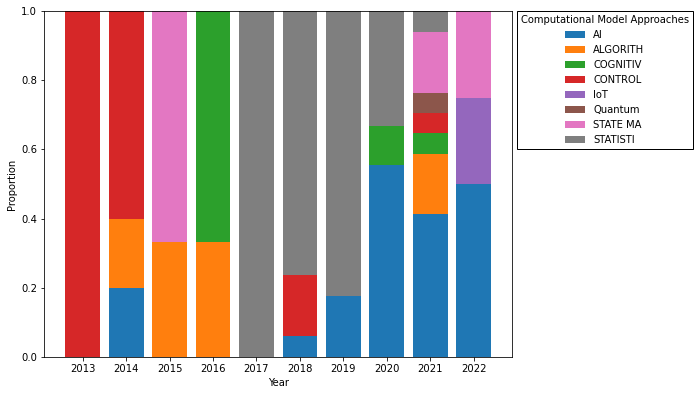
- RQ2过去十年中,情感机器人福祉研究的方法论如何演变,特别是在数据模态和人工智能整合方面?
- RQ3在开发用于福祉的情感机器人过程中,面临的主要技术、设计和伦理挑战是什么,当前如何应对?
- RQ4临床医生和患者在情感机器人福祉系统的共同设计中参与程度如何?
- RQ5目前采用的伦理与方法论标准是什么,该领域在负责任研究方面还需哪些改进?
主要发现
- 绝大多数情感机器人福祉研究聚焦于痴呆症,而针对抑郁症、精神分裂症、ADHD和智力障碍的研究仍较少。
- 近年来,将多模态情感数据(如面部表情、语音、生理信号)整合到机器人系统中的趋势日益明显,尤其随着大语言模型的兴起。
- 临床医生、患者和医疗专业人员参与的共同设计研究仍属探索不足,尽管简短的基于网络的参与式设计会议显示出提升利益相关者参与度的潜力。
- 尽管伦理审批的报告日益增多,但情感机器人在福祉应用中仍缺乏全面且标准化的伦理指导方针。
- 伦理考量通常局限于个体层面的问题(如尊严),对系统性影响(如偏见、公平性、长期社会影响)关注不足。
- 可复现性、开放科学和预注册在研究中仍使用不足,尽管它们对确保福祉导向机器人研究的方法严谨性和伦理完整性至关重要。
更好的研究,从现在开始
从阅读论文到最终审阅,大幅缩短您的研究时间。
无需绑定信用卡
本解读由 AI 生成,并经人工编辑审核。