
[论文解读] Short Circuit Current Constrained UC in High IBG-Penetrated Power Systems
本文提出了一种适用于高渗透率换流器型发电机(IBG)电力系统的短路电流(SCC)约束单位经济组合(UC)模型,通过数据驱动方法对涉及决策相关矩阵求逆的非线性SCC约束进行线性化。该方法在确保系统SCC水平保持在安全范围内的同时,最小化运行成本。仿真结果表明,在IEEE 118节点系统中,IBG过容量配置与SCC约束可将SCC越限比例从67.93%降至0%,尽管运行成本有所上升。
Inverter Based Generators (IBGs) have been increasing significantly in power systems. Due to the demanding thermal rating of Power Electronics (PE), their contribution to the system Short Circuit Current (SCC) is much less than that from the conventional Synchronous Generators (SGs) thus reducing the system strength and posing challenges to system protection and stability. This paper proposes a Unit Commitment (UC) model with SCC constraint in high IBG-penetrated systems to ensure minimum operation cost while maintaining the SCC level at each bus in the system. The SCC from synchronous generators as well as the IBGs are explicitly modeled in the formulation leading to an SCC constraint involving decision-dependent matrix inverse. This highly nonlinear constraint is further reformulated into linear form conservatively. The influence of the SCC constraint on the system operation and its interaction with the frequency regulation are demonstrated through simulations on IEEE 30- and 118-bus systems.
研究动机与目标
- 解决由于换流器型发电机(IBG)故障电流贡献有限,导致高IBG渗透率电力系统中短路电流(SCC)水平下降的问题。
- 通过在所有母线上维持SCC水平在可接受范围内,确保系统保护与稳定。
- 在同时满足SCC与频率调节约束的前提下,最小化系统运行成本。
- 开发一种计算上可处理的公式化方法,可集成至混合整数线性规划(MILP)框架中,实现实际部署。
提出的方法
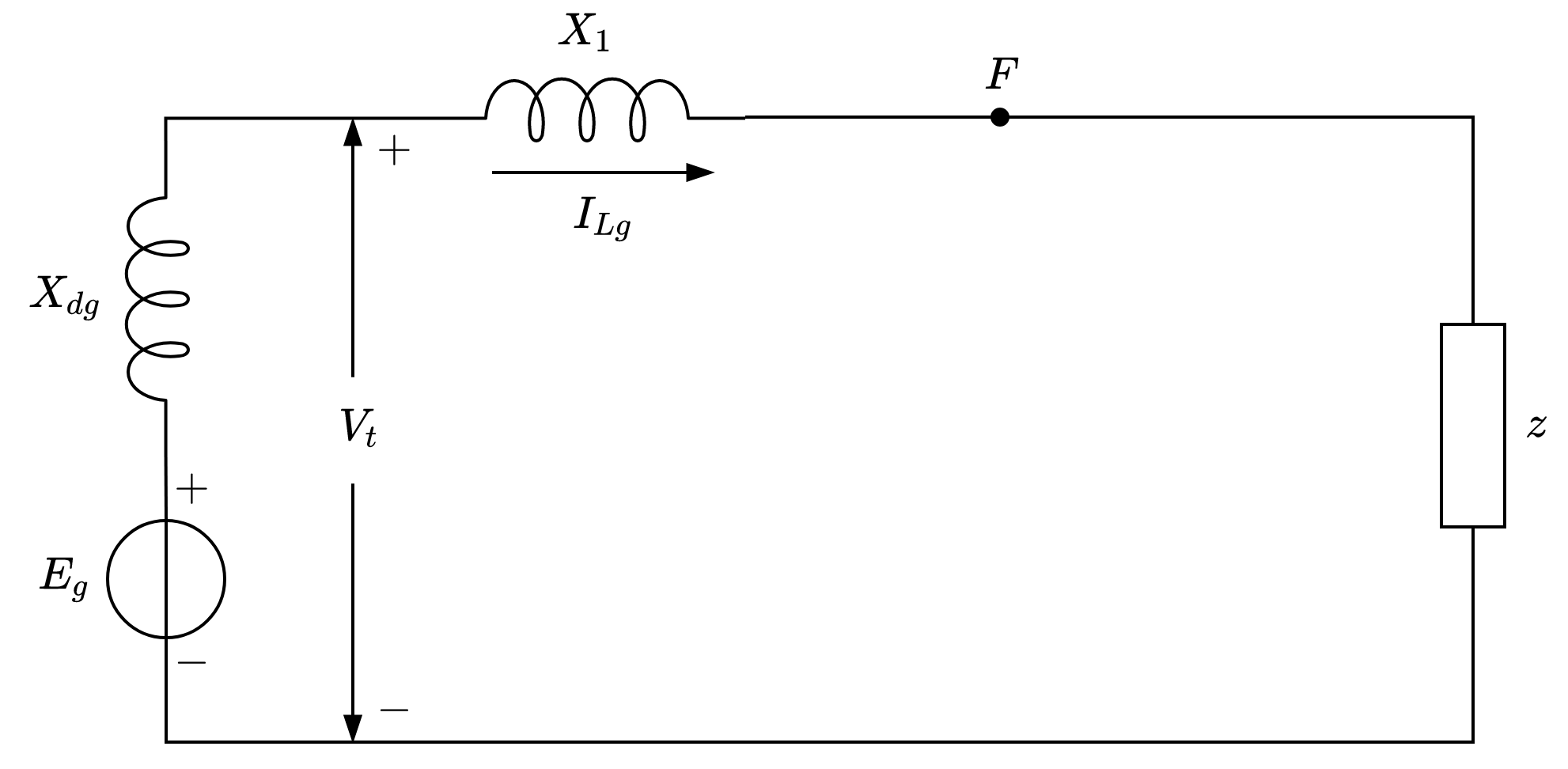
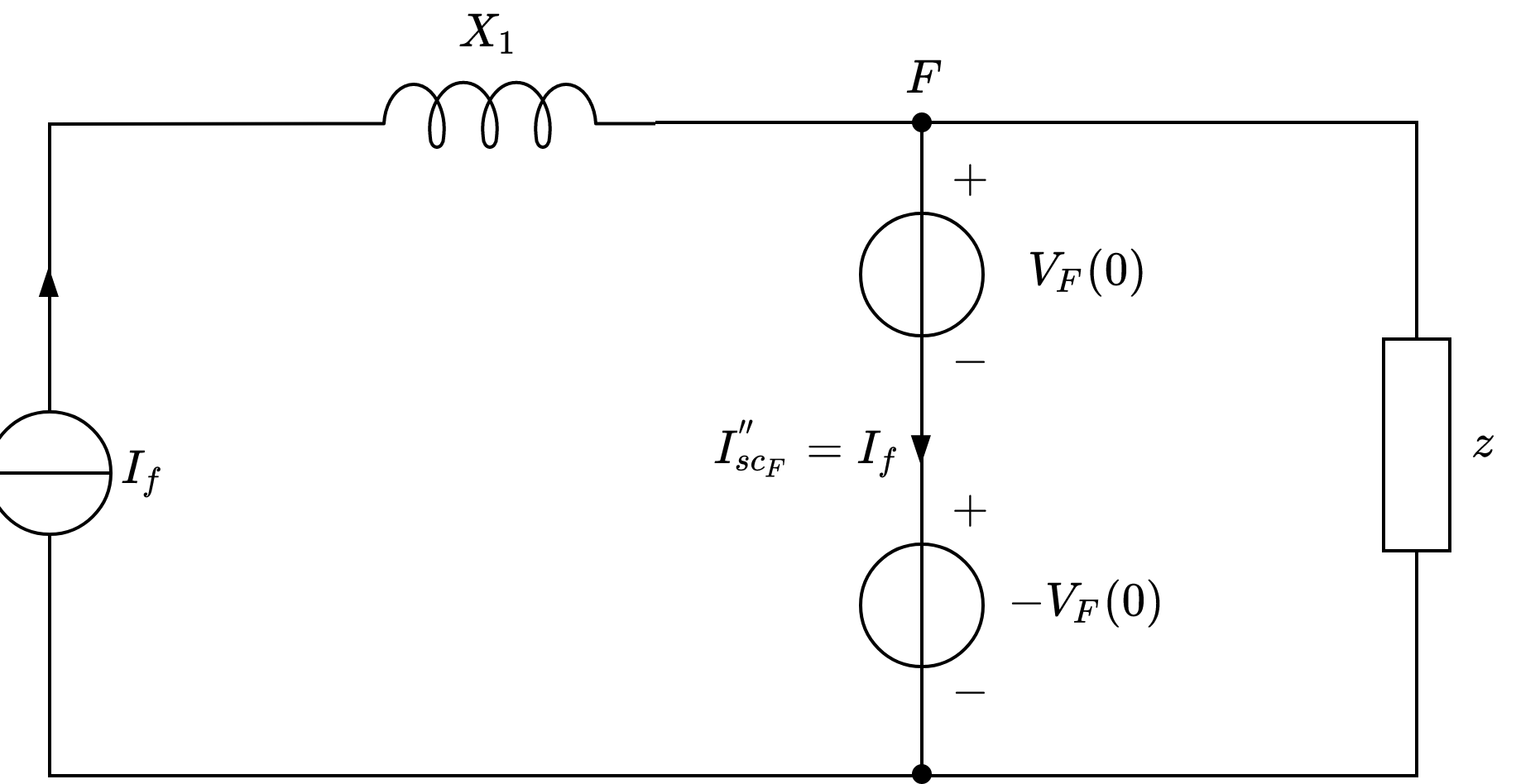
- 采用叠加原理对SCC进行建模,综合考虑同步发电机(SGs)与IBGs的贡献。
- 从系统导纳矩阵与故障电流注入模型中推导出涉及决策相关矩阵求逆的高度非线性SCC约束。
- 利用基于历史运行工况与故障电流仿真数据的离线数据驱动方法,对非线性约束进行保守线性化。
- 考虑IBG电流限制与电压控制逻辑,确保故障电流表示的现实性。
- 将该公式化方法嵌入具有混合整数线性规划(MILP)结构的随机单位经济组合(SUC)模型中,以实现可扩展性。
- 在IEEE 30节点与118节点系统上,针对不同风电渗透率与IBG过容量场景对模型进行了验证。
实验结果
研究问题
- RQ1如何在单位经济组合框架中准确且保守地建模SGs与IBGs的SCC贡献?
- RQ2SCC约束对高IBG渗透率系统中运行成本与发电组合决策有何影响?
- RQ3SCC约束与频率调节约束之间的相互作用如何影响系统调度?
- RQ4在不违反运行成本或稳定性限制的前提下,IBG过容量在多大程度上可弥补SCC不足?
- RQ5涉及决策相关矩阵求逆的非线性SCC约束能否在不牺牲精度的前提下,有效线性化以用于基于MILP的UC?
主要发现
- 在IEEE 118节点系统中,当施加SCC约束后,SCC越限比例从67.93%降至0%,平均运行成本上升11.6%。
- IBG可用容量提高50%后,SCC越限比例降至18.97%,表明过容量可有效提升SCC支撑能力。
- 所提出的线性化方法在保持与非线性版本几乎相同精度的同时,显著降低了计算时间。
- 当SCC约束生效时,即使边际成本更高,距离关键母线最近的同步发电机也更可能被投入运行。
- 在高风力发电时段,由于SCC约束导致更多同步发电机被投入,如图9所示24–48小时窗口中所见,导致风电出力被削减。
- SCC约束的引入使计算时间增加,但仍在可接受范围内;随着IBG过容量提高,由于有效约束减少,计算时间进一步下降。
更好的研究,从现在开始
从阅读论文到最终审阅,大幅缩短您的研究时间。
无需绑定信用卡
本解读由 AI 生成,并经人工编辑审核。