
[论文解读] The halo model for cosmology: a pedagogical review
本文对宇宙学中的晕模型进行了全面的教学性综述,该框架通过将暗物质及其示踪物(如星系、X射线、tSZ)建模为不同质量的晕来描述非线性物质聚类。文章详细说明了晕模型如何结合晕质量函数、非线性晕偏置和晕剖面,以预测功率谱和聚类统计量,涵盖标准ΛCDM模型及超越ΛCDM的模型,并介绍了开源软件pyhalomodel,用于灵活的晕模型计算。
We present a pedagogical review of the halo model, a flexible framework that can describe the distribution of matter and its tracers on non-linear scales for both conventional and exotic cosmological models. We start with the premise that the complex structure of the cosmic web can be described by the sum of its individual components: dark matter, gas, and galaxies, all distributed within spherical haloes with a range of masses. The halo properties are specified through a series of simulation-calibrated ingredients including the halo mass function, non-linear halo bias and a dark matter density profile that can additionally account for the impact of baryon feedback. By incorporating a model of the galaxy halo occupation distribution, the properties of central and satellite galaxies, their non-linear bias and intrinsic alignment can be predicted. Through analytical calculations of spherical collapse in exotic cosmologies, the halo model also provides predictions for non-linear clustering in beyond-$Λ$CDM models. The halo model has been widely used to model observations of a variety of large-scale structure probes, most notably as the primary technique to model the underlying non-linear matter power spectrum. By documenting these varied and often distinct use cases, we seek to further coherent halo model analyses of future multi-tracer observables. This review is accompanied by the release of pyhalomodel: https://github.com/alexander-mead/pyhalomodel , flexible software to conduct a wide range of halo-model calculations.
研究动机与目标
- 为宇宙学与大尺度结构领域的研究人员提供一个自包含、教学性的晕模型入门介绍。
- 系统化地应用晕模型于各类宇宙学探针,包括星系、tSZ、X射线和弱引力透镜。
- 将晕模型框架扩展至超越ΛCDM的宇宙学模型,如大质量中微子、f(R)引力和动力暗能量。
- 展示并发布pyhalomodel,一个灵活的开源软件包,支持通过Jupyter笔记本示例进行广泛的晕模型计算。
- 通过一致的基于晕的形式化方法,统一天体物理建模(如星系形成、重子反馈)与宇宙学推断。
提出的方法
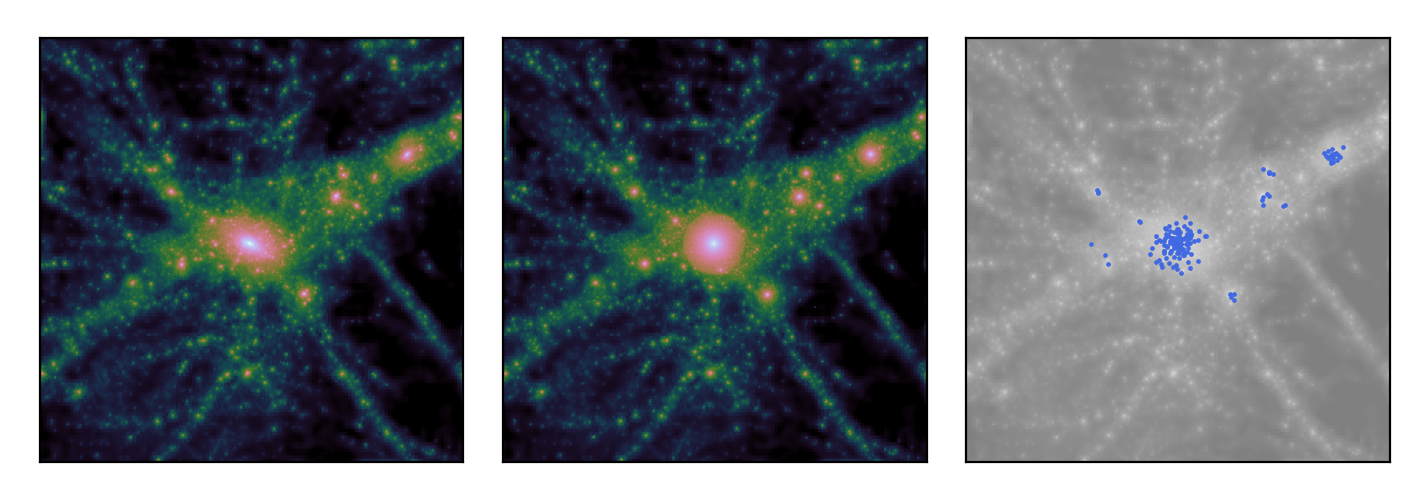
- 晕模型将物质功率谱分解为两部分:单晕项(晕内聚类)和双晕项(晕间聚类),其推导基于球形坍缩和晕统计。
- 通过晕占有分布(HOD)对示踪物(如星系)进行建模,区分中心星系与卫星星系,并引入其非线性偏置和本征对齐。
- 关键要素——晕质量函数、非线性晕偏置、暗物质密度剖面以及重子反馈效应——均通过N体模拟和流体动力学模拟进行标定。
- 该框架被扩展以包含非球形晕、空洞、晕排斥、亚结构和组装偏置,以提高特定两点函数的精度。
- 对于超越ΛCDM的模型,采用球形坍缩近似推导依赖于宇宙学的晕属性,从而在百分之一水平上预测非线性功率谱比值。
- 引入react形式化方法,通过利用晕模型的灵活性和解析可处理性,高效地对奇异宇宙学中的非线性聚类进行建模。
实验结果
研究问题
- RQ1如何系统性地应用晕模型来建模ΛCDM及超越ΛCDM宇宙学中的非线性聚类?
- RQ2哪些关键要素——如晕质量函数、偏置和剖面——是准确预测物质及其示踪物功率谱所必需的?
- RQ3如何将现实的天体物理效应(如重子反馈、本征对齐和晕非球形性)纳入晕模型?
- RQ4在应用于弱引力透镜、tSZ和X射线信号等多样化宇宙学探针时,晕模型在保持精度和灵活性方面有哪些优势?
- RQ5如何利用晕模型以高精度预测修改引力或大质量中微子模型中的非线性功率谱比值?
主要发现
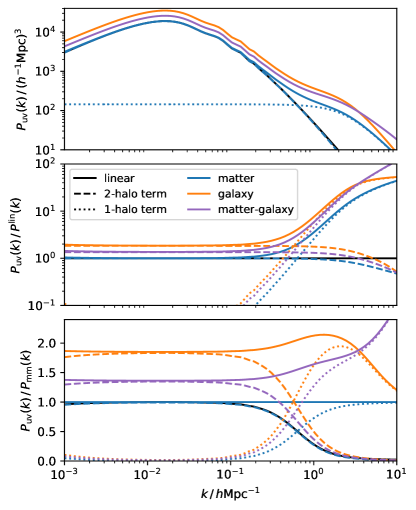
- 晕模型通过将功率谱分解为单晕项和双晕项,为建模非线性物质聚类提供了一个稳健且灵活的框架。
- 当结合晕占有分布(HOD)和非线性晕偏置时,晕模型能够以高精度预测如星系等离散示踪物的聚类。
- 在晕剖面中引入重子反馈效应,显著提升了对X射线和tSZ效应等示踪物的预测精度。
- 当线性功率谱匹配时,晕模型在预测不同宇宙学模型之间非线性功率谱比值方面达到百分之一水平的精度。
- 球形坍缩近似使得在奇异模型(如f(R)引力和动力暗能量)中实现非线性聚类的解析预测成为可能。
- 通过发布附带Jupyter笔记本的pyhalomodel,使更广泛的宇宙学社区能够实现可重现、灵活且易于访问的晕模型计算。
更好的研究,从现在开始
从阅读论文到最终审阅,大幅缩短您的研究时间。
无需绑定信用卡
本解读由 AI 生成,并经人工编辑审核。