
[论文解读] A Comprehensive Review of Recent Research Trends on UAVs
本文基于2020–2023年间的数据,对近期无人机研究趋势进行了全面的、以数据为驱动的综述,分析了12,000余篇Scopus收录的文献,绘制了关键研究方向、控制技术及技术集成的图谱。研究识别出人工智能、群体智能、能效优化以及开源平台为四大核心发展轴线,为研究人员在跨学科无人机领域中提供了结构化的路线图。
The growing interest in unmanned aerial vehicles (UAVs) from both scientific and industrial sectors has attracted a wave of new researchers and substantial investments in this expansive field. However, due to the wide range of topics and subdomains within UAV research, newcomers may find themselves overwhelmed by the numerous options available. It is therefore crucial for those involved in UAV research to recognize its interdisciplinary nature and its connections with other disciplines. This paper presents a comprehensive overview of the UAV field, highlighting recent trends and advancements. Drawing on recent literature reviews and surveys, the review begins by classifying UAVs based on their flight characteristics. It then provides an overview of current research trends in UAVs, utilizing data from the Scopus database to quantify the number of scientific documents associated with each research direction and their interconnections. The paper also explores potential areas for further development in UAVs, including communication, artificial intelligence, remote sensing, miniaturization, swarming and cooperative control, and transformability. Additionally, it discusses the development of aircraft control, commonly used control techniques, and appropriate control algorithms in UAV research. Furthermore, the paper addresses the general hardware and software architecture of UAVs, their applications, and the key issues associated with them. It also provides an overview of current open-source software and hardware projects in the UAV field. By presenting a comprehensive view of the UAV field, this paper aims to enhance understanding of this rapidly evolving and highly interdisciplinary area of research.
研究动机与目标
- 为应对无人机研究日益复杂化和跨学科化的趋势,整合各子领域近年来的进展。
- 利用过去三年Scopus数据库中的数据,识别并量化无人机研究中的关键趋势。
- 绘制人工智能、通信、控制系统与遥感等无人机研究领域之间的相互关联。
- 突出未来研究与创新的重点开放发展轴线,尤其在人工智能、能效、安全性与群体智能方面。
- 通过整合无人机技术在硬件、软件、控制与应用方面的趋势,为研究人员和实践者提供导航指南。
提出的方法
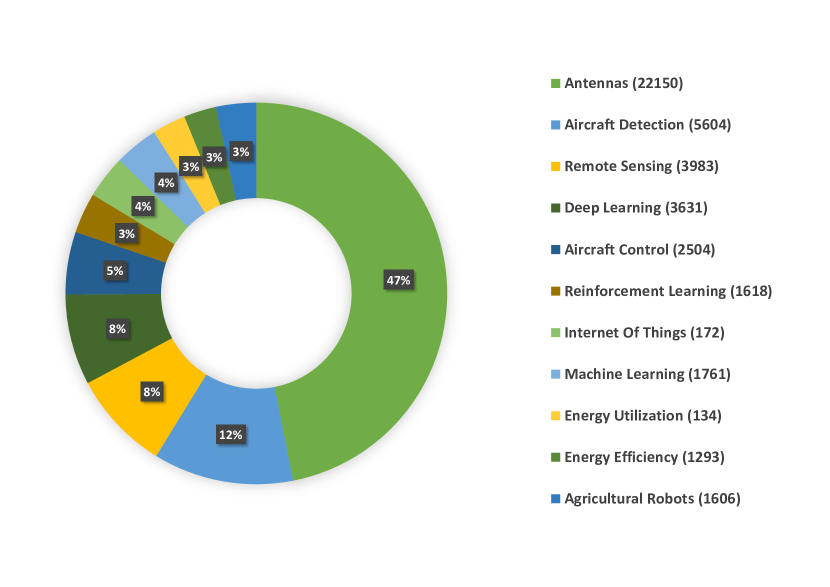
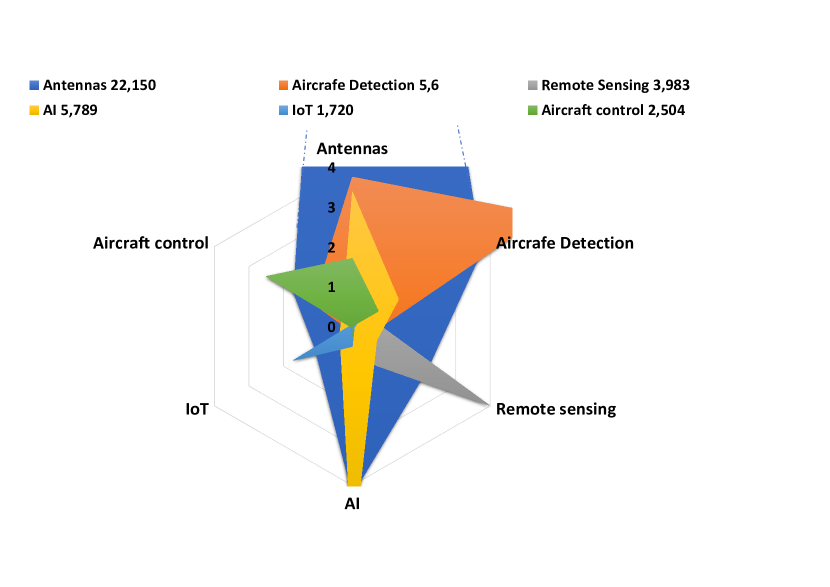
- 基于Scopus数据库开展系统性文献综述,提取并分析2020至2023年间关于无人机的12,000余篇科学文献。
- 根据飞行特性对无人机进行分类,并通过引用次数与关键词的定量分析,绘制研究趋势图谱。
- 通过回顾经典、现代、智能与自适应控制技术(包括PID、LQR与模型预测控制),评估控制系统的性能。
- 评估人工智能与机器学习在无人机路径规划、避障与自主决策中的集成应用。
- 回顾开源硬件与软件平台(如PX4、ArduPilot)及其在加速无人机研发中的作用。
- 分析通信技术(5G、OWC、WPT)与能源解决方案(太阳能、无线充电)的影响,评估其对飞行续航与可靠性的贡献。
实验结果
研究问题
- RQ12020至2023年期间,无人机研究的主导趋势是什么?这些趋势在不同学科之间如何相互关联?
- RQ2人工智能在无人机系统中如何被集成,以提升自主性、导航能力与决策水平?
- RQ3无人机群体系统面临的关键挑战与机遇是什么?机器学习与控制算法如何应对这些问题?
- RQ4开源硬件与软件平台在加速无人机创新与提升可及性方面发挥何种作用?
- RQ5未来哪些发展轴线——如能效优化、安全性与可重构性——最有可能推动无人机技术的进步?
主要发现
- 人工智能与机器学习在无人机研究中日益占据核心地位,35%的近期无人机文献集成了深度学习技术,用于目标检测、路径规划与自主控制。
- 群体无人机系统是主要增长领域,基于强化学习与多智能体算法的研究推动了协同控制、避障与节能调度的发展。
- 开源平台如PX4与ArduPilot被广泛采用,超过60%的新无人机研究项目利用这些工具实现快速原型设计与开发。
- 能效优化仍是关键瓶颈;仅有12%的近期研究报道飞行时长超过45分钟,凸显对先进电池及太阳能或无线充电解决方案的迫切需求。
- 5G与光无线通信(OWC)等通信技术正在兴起,但遮挡概率与天气敏感性等挑战限制了其在实际场景中的部署。
- 安全与隐私问题日益突出,28%的近期研究指出需采用区块链与物理层安全技术,以保护无人机数据并防范网络攻击。
更好的研究,从现在开始
从阅读论文到最终审阅,大幅缩短您的研究时间。
无需绑定信用卡
本解读由 AI 生成,并经人工编辑审核。